

Guide
Songkran in Pattaya: the longest water fight in Thailand
Thai New Year runs longer here than anywhere else in the country, finishing with Wan Lai. What actually happens, how to survive it, and whether to come or avoid it.
7 min readUpdated
Good to know
- Good to know
- Pattaya's Songkran celebration, including Wan Lai, extends for roughly a week, culminating around 19 April, unlike the three-day national holiday.
- Who it suits
- Come if you enjoy large crowds and want to experience a joyful public festival on a grand scale; avoid if you prefer a quiet holiday, have young children, or mobility issues.
- What to bring
- A waterproof phone pouch is essential. Also pack quick-drying clothes, secured sandals, eye protection, minimal cash in a sealed bag, and nothing you mind losing.
- Getting around
- Roads close and transport is chaotic during the main days; walking is often faster but you will get wet. Ride-hailing availability collapses.
Songkran is Thai New Year, and in most of the country it runs for three days in the middle of April. In Pattaya it runs considerably longer, and it finishes with a day the rest of Thailand does not have.
If you are here for it, you are not going to miss it. If you would rather avoid it, you need to know the dates.
What Songkran actually is
Underneath the water fight, this is a religious and family festival marking the traditional Thai new year.
The water has meaning. Traditionally, scented water is poured gently over Buddha images and over the hands of elders as an act of respect and blessing, washing away the previous year. Families return to their home provinces, temples fill, and offerings are made.
The nationwide water fight grew out of that gesture and has become the more visible half. Both are happening at the same time, and a visitor who only sees the second half is missing the point of it.
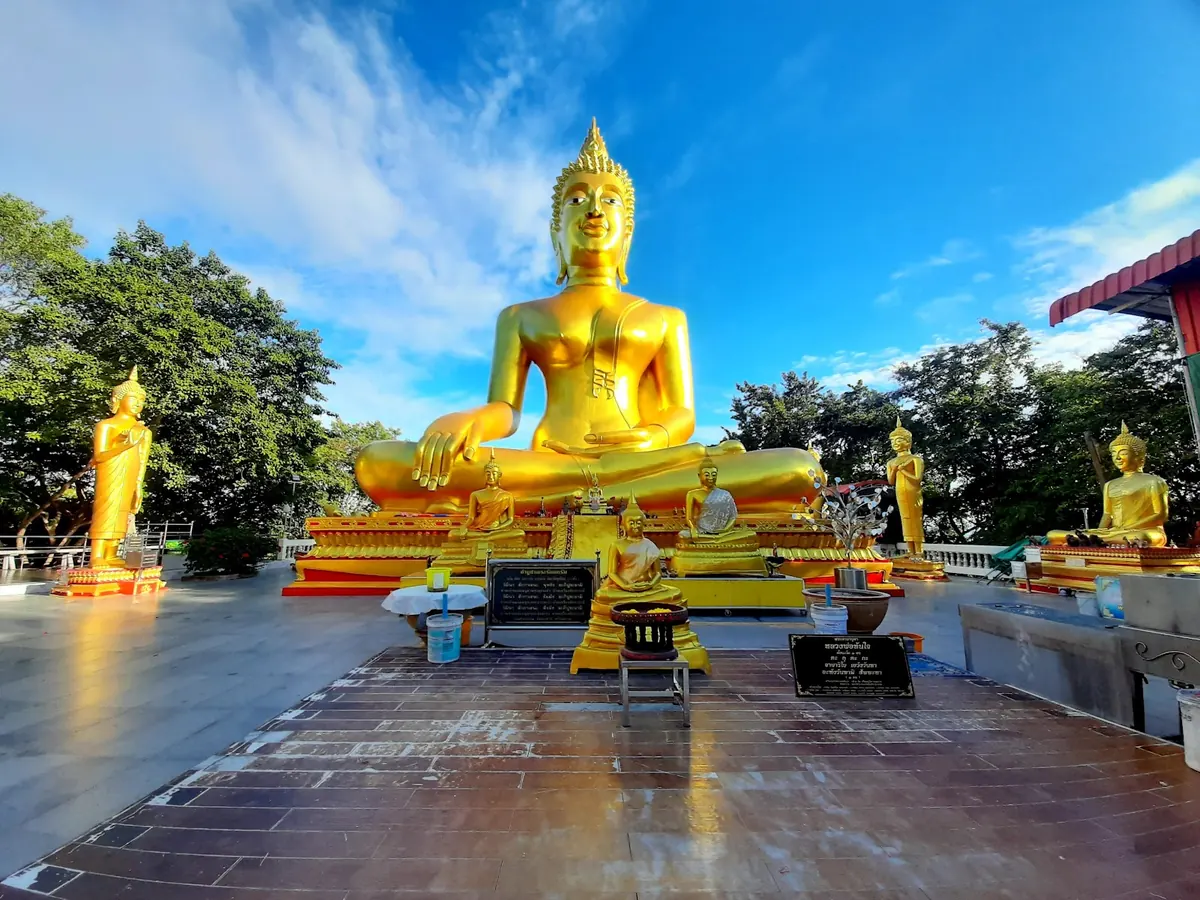
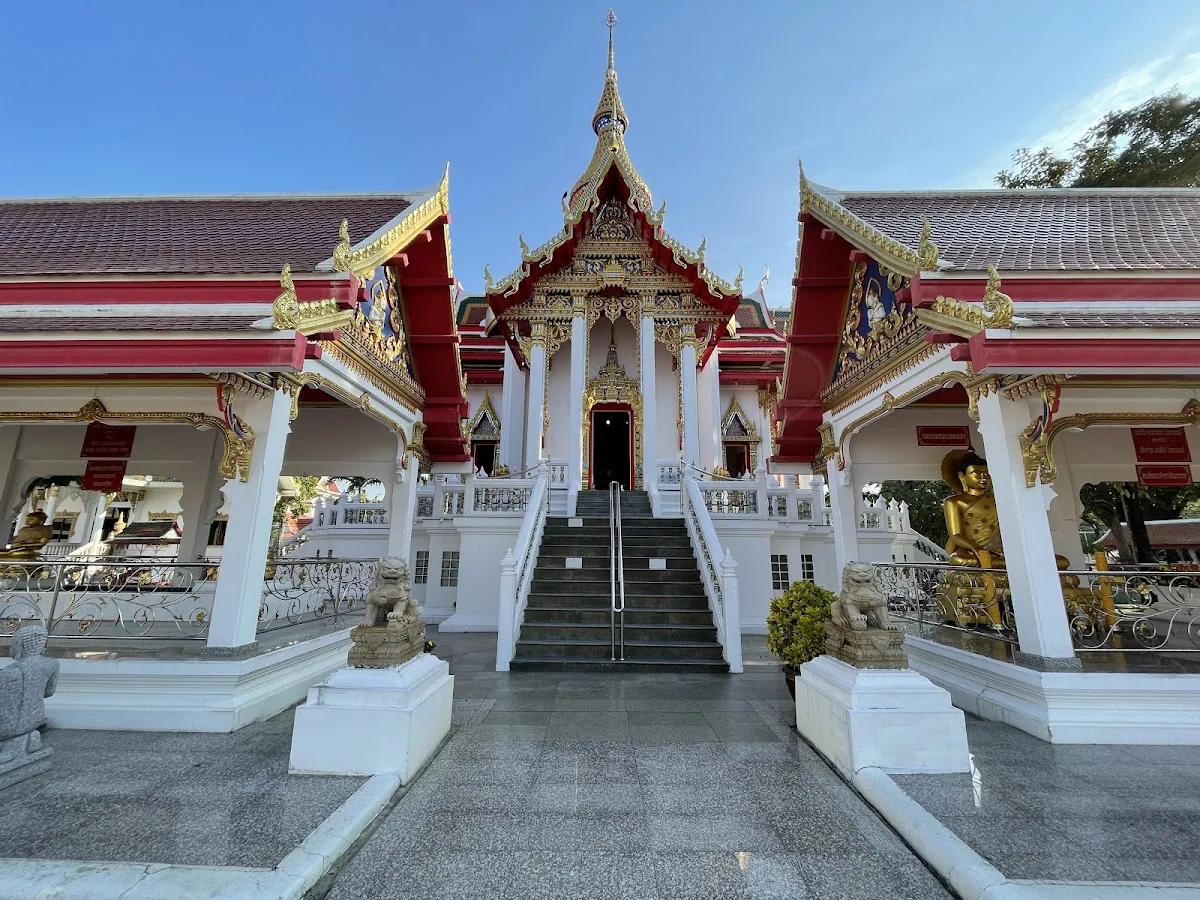
You can see the original version at almost any temple during the festival. Wat Chai Mongkron in South Pattaya and Wat Phra Yai on Pratumnak both hold observances, and they are quiet, respectful and completely different in character from what is happening on the street outside.
Why Pattaya runs longer
The national holiday is in mid-April. Pattaya extends it, and the city's own celebration culminates several days later with Wan Lai, traditionally around the 19th of April.
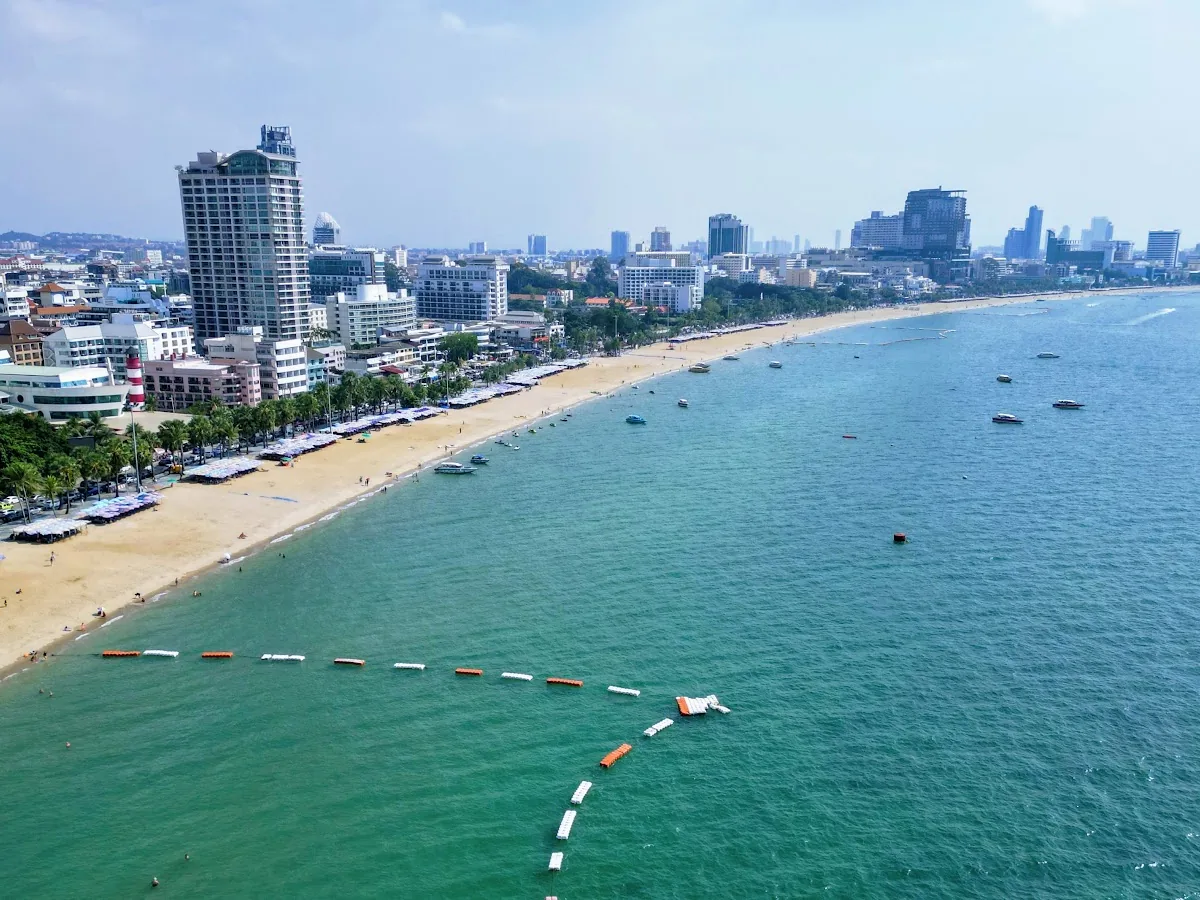
Wan Lai is a Chonburi and eastern seaboard tradition rather than a national one, and in Pattaya it is the biggest day of the whole period. Beach Road becomes the centre of it, with enormous crowds, music stages, and water on a scale that has to be seen.
The practical consequence is that the festival period here stretches across roughly a week rather than three days, with different areas celebrating on different days. Naklua, central Pattaya and Jomtien do not all peak simultaneously.
Confirm the current year's dates before planning anything. The city announces its schedule annually and it does move.
What it is actually like
Comprehensive.
From mid-morning until early evening on the main days, everyone outside is a target. Water guns, buckets, hoses, ice water from coolers, and pickup trucks with barrels in the back circulating slowly through the streets. Talcum powder mixed with water is smeared on faces as a blessing, which is traditional and entirely good-natured.
There is no opting out. Walking down Beach Road in dry clothes carrying a phone is not a plan, it is an accident. Even a short walk to a 7-Eleven will end with you soaked.
The atmosphere is overwhelmingly friendly. This is a celebration rather than a confrontation, people laugh, and the whole thing is more good-humoured than the volume suggests.
How to do it well
Waterproof your phone. A sealed pouch on a lanyard. This is the single most important item and the one people forget.
Take only what you can afford to lose. Cash in a waterproof bag, minimal cards, no passport.
Wear clothes you do not mind ruining, and quick-drying fabric. Sandals with a strap, not flip-flops, which disappear in crowds.
Sunglasses or goggles. Ice water in the eyes at close range genuinely hurts.
Expect the water to be cold. Coolers of iced water are part of the tradition and the shock is real.
Eat before you go out. Restaurants on the main streets are either closed or besieged.
Accept the powder. Having talc smeared on your face is a blessing, not an assault. Smile.
What to avoid
Do not throw water at monks, at elderly people, or at anyone clearly signalling they would rather not. A raised hand or a clear no is respected, and respecting it is basic.
Do not throw water at someone riding a motorbike. This is genuinely dangerous and it is the main cause of the accident spike during Songkran.
Do not ride a motorbike yourself during the main days if you can avoid it. Road casualties across Thailand rise sharply over Songkran, driven by a combination of alcohol, wet roads and water thrown at riders. If you must ride, go slowly and expect to be hit.
Do not use high-pressure water at close range, particularly at faces.
Do not drink to the point where you become the problem. Enforcement over the holiday is heavy, and Thai tolerance for a visibly drunk foreigner behaving badly is limited.
The practical disruptions
Roads close. Beach Road and other central routes are closed or impassable on the main days, and getting across the city can take hours.
Transport is chaotic. Baht buses run but slowly and wetly. Ride-hailing availability collapses. Walking is often faster and always wetter.
Banks, offices and many businesses close for the national holiday days.
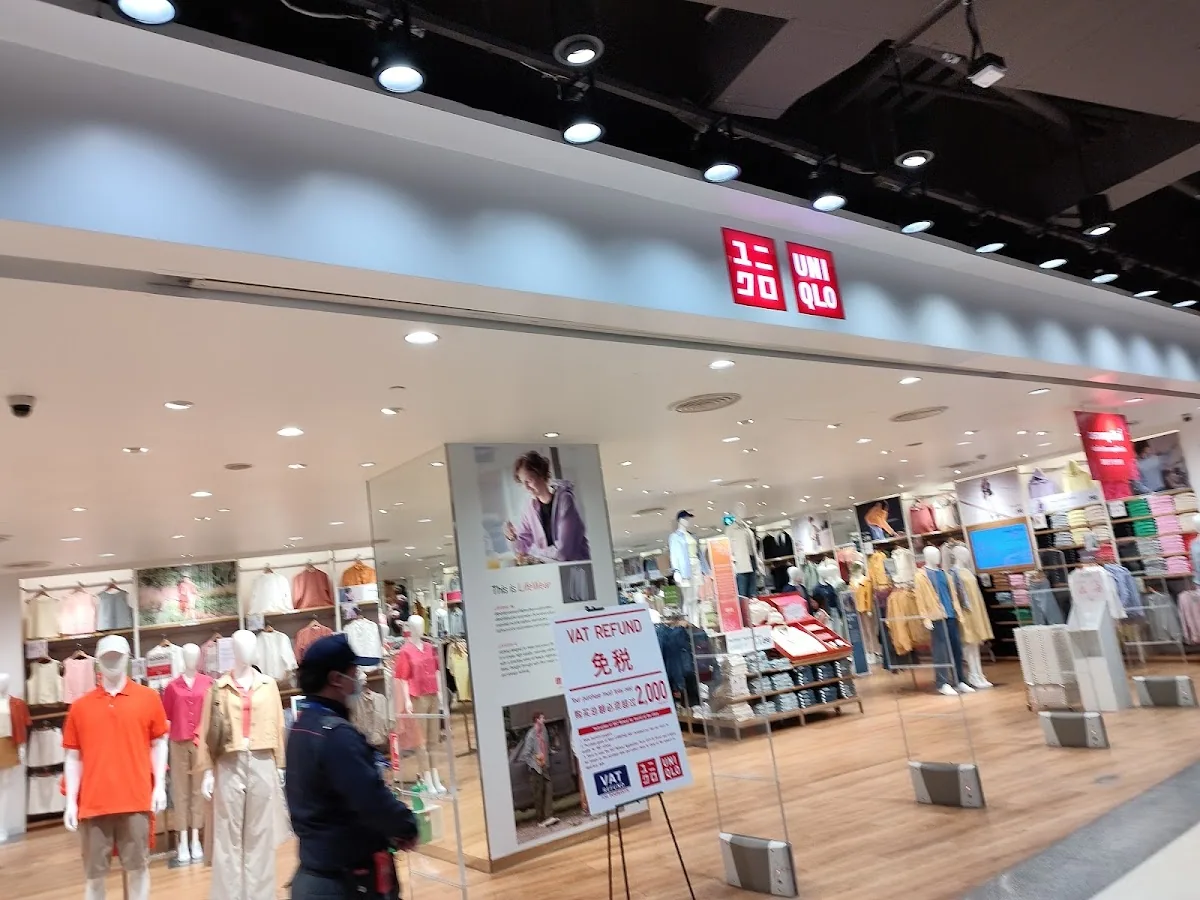
Shops and malls stay open, and both Terminal 21 and Central Pattaya become refuges: dry, air conditioned, and busy.
Hotels fill and rates rise. Book well ahead.
Airports and intercity roads are at their worst of the year. Do not plan a tight airport transfer during the holiday.
Alcohol sales may be restricted on certain days over the period.
Should you come, or avoid it?
Come if you want to experience one of the great public festivals anywhere, you are comfortable in large crowds, and you can accept losing several days to it. It is genuinely joyful and Pattaya does it on a scale few places match.
Avoid it if you want a quiet beach holiday, you are travelling with very young children, you have mobility difficulties, or you have a fixed schedule that cannot absorb closed roads and full hotels.
If you are here by accident, the best approach is to join in for a day and then find somewhere calm. Na Jomtien, Bang Saray and the east side are all considerably quieter than the centre, and the islands are quieter still.
The other side of it
If the water fight is not for you, the temple observances during Songkran are worth seeing precisely because they are the actual festival.
Merit-making, offerings, the bathing of Buddha images, sand pagodas built in temple grounds, and families paying respect to elders. Quiet, dignified, and taking place a few hundred metres from the noise.
Cover shoulders and knees, go in the morning, and expect to be the only foreign visitor there.
Frequently asked questions
When is Songkran in Pattaya? The national holiday falls in mid-April. Pattaya extends the celebration, with the city's own Wan Lai day traditionally around 19 April, making the overall period roughly a week. Dates are announced annually and should be checked before booking.
What is Wan Lai? A Chonburi and eastern seaboard tradition marking the end of the Songkran period. In Pattaya it is the largest day of the festival, centred on Beach Road, and it does not happen in most of the rest of Thailand.
Can I avoid getting wet? Not on the main days, not anywhere near the central streets. Indoors is the only reliable option. Malls, hotels and restaurants away from the main routes are dry.
Is Songkran safe? The festival itself is good-natured and violent incidents are rare. The real risk is road traffic: casualties rise sharply across Thailand during the period, largely involving motorbikes, alcohol and wet roads. Avoid riding.
Is it suitable for children? Older children usually love it. Very young children can find the crowds, the noise and the ice water overwhelming, and the roads are more dangerous than usual.
Do shops and restaurants close? Banks, offices and many businesses close for the national holiday days. Malls, convenience stores and most hotels stay open, and the malls become the practical refuge.
Will my hotel be more expensive? Yes, and it will book out. Songkran is one of the two busiest periods of the year alongside New Year.
What should I bring? A waterproof phone pouch above everything else. Then quick-drying clothes, secured sandals, eye protection, minimal cash in a sealed bag, and nothing you would mind losing.
The rest of the festival calendar
Songkran is the largest but not the only date worth planning around.
Loy Krathong, usually in November, is the quieter and more beautiful festival. Decorated floats carrying candles and incense are released onto water at night, and both the beach and Lake Mabprachan are good places to see it. It is a single evening rather than a week.
Chinese New Year, in January or February, brings large numbers of visitors and fills hotels, with celebrations in the Thai-Chinese parts of the city.
Western New Year is the single busiest period on this coast, with fireworks over the bay and everything booked out well ahead.
Buddhist holidays occur through the year and several carry restrictions on alcohol sales, enforced absolutely on the day. If a specific evening matters, check the calendar.
Dates for most Thai festivals follow the lunar calendar and move each year.
If you are here with work to do
Songkran effectively stops normal business for several days. Banks close, offices close, and government services including immigration are unavailable over the public holiday.
Anyone with a visa deadline, a bank appointment or a delivery expected during the period should plan around it well in advance. Immigration offices in particular are extremely busy in the days either side.
After it ends
The days immediately following Songkran are among the quietest of the year in Pattaya. The Thai visitors have gone home, the foreign visitors who came for the festival have left, and April is too hot for most people to arrive.
If you want the city empty and can tolerate the heat, late April is an underrated window.
Common questions
- When is Songkran in Pattaya?
- The national holiday is in mid-April, but Pattaya extends the celebration, with Wan Lai traditionally around 19 April, making the overall period roughly a week. Dates are announced annually and should be checked.
- Can I avoid getting wet during Songkran in Pattaya?
- Not on the main days, especially near central streets; indoors is the only reliable option. Malls, hotels, and restaurants away from the main routes are dry.
- Is Songkran in Pattaya safe?
- The festival itself is good-natured, but road traffic poses a real risk, with casualties rising sharply due to motorbikes, alcohol, and wet roads. Avoid riding a motorbike if possible.
Places in this guide
attractions
Wat Phra Yai (Big Buddha)
The Big Buddha, free entry, and the best cheap view in the city.
attractions
Wat Chai Mongkron
A working temple in the middle of the city, with a night market attached.

attractions
Terminal 21 Pattaya
A themed mall that is genuinely worth walking around, and the food court is the point.
attractions
Central Pattaya
The beachfront mall, with the bay on one side and Beach Road on the other.
attractions
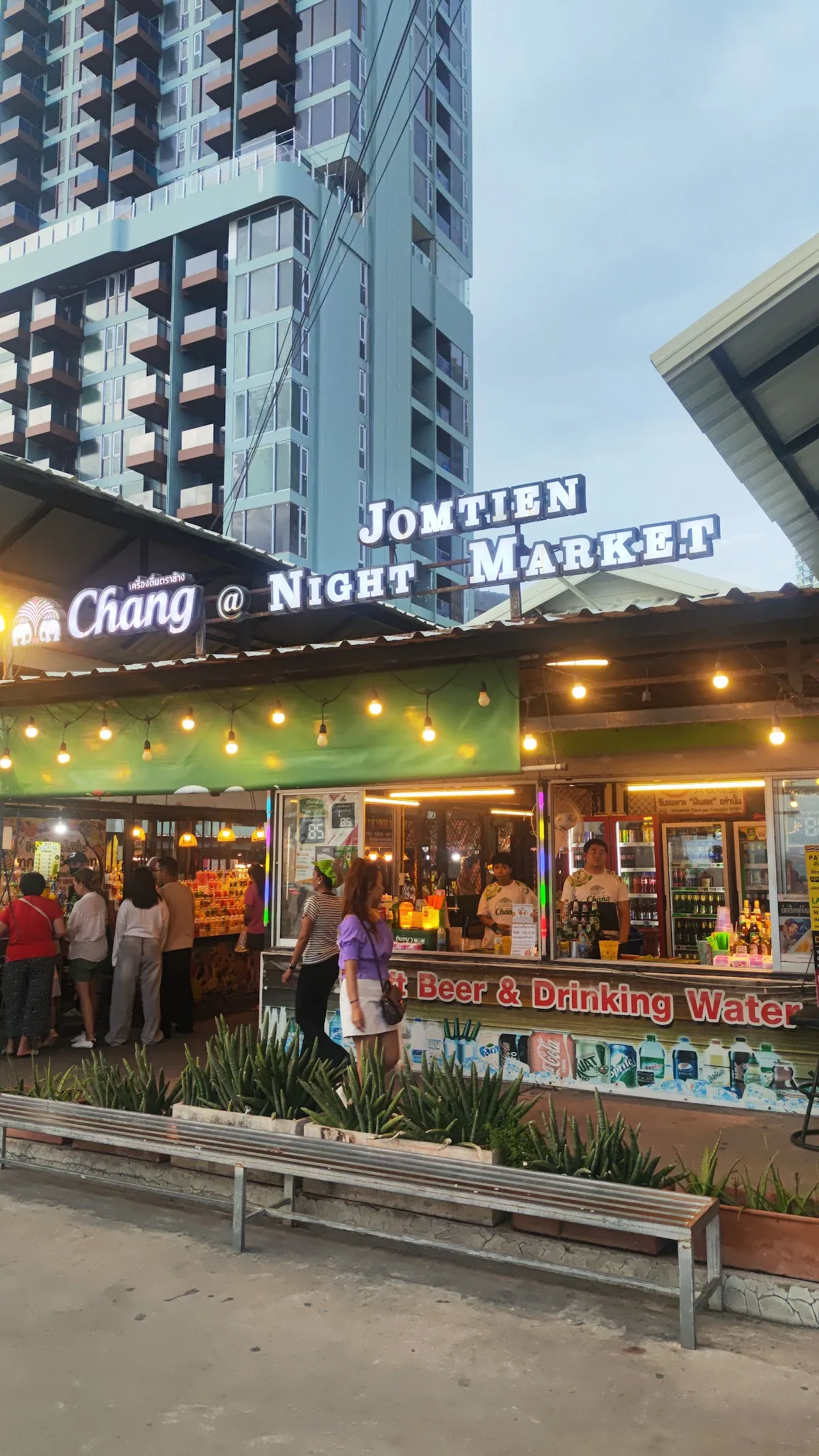
Jomtien Night Market
The night market to take a family to.
Related guides
- Things to DoShopping in Pattaya: malls, markets and what is actually worth buyingTwo large malls, several night markets, and a clear-eyed view of what is worth your money and what is a mark-up on something you can buy anywhere.
- Culture & HistoryHow Pattaya became PattayaA fishing village, an American war, and sixty years of unplanned growth. The story explains almost everything about the city you see today.
- Living HereStaying longer in Pattaya: the practical basicsSIM cards, banking, healthcare, which areas suit which lives, and the realities of a longer stay that nobody mentions until you are here.
Browse every topic in our Pattaya guides, or ask the Pattaya AI Guide about anything in this guide.