

Guide
Shopping in Pattaya: malls, markets and what is actually worth buying
Two large malls, several night markets, and a clear-eyed view of what is worth your money and what is a mark-up on something you can buy anywhere.
6 min readUpdated
Good to know
- Opening hours
- Malls open late morning to late evening. Most night markets run from late afternoon onwards, except for the Lan Pho Na Kluea seafood market which closes in the early evening.
- Best time
- Visit malls on weekday mornings when they are empty. The main night markets, such as Thepprasit, are at their full size and busiest from Friday to Sunday evening.
- What to bring
- Bring cash for all market shopping, as they are cash businesses almost without exception. It is helpful to carry small notes, as vendors often cannot change large ones early in the day.
- Good to know
- Bargaining is standard practice at markets but not in malls; nobody bargains over food. Thai clothing sizes run considerably smaller than European or American ones, so always try items on.
Pattaya is not a shopping destination in the way Bangkok is, and anyone arriving expecting Chatuchak or Siam Paragon will be disappointed. What it has instead is a manageable set of options: two substantial malls, several night markets, and a handful of specialist things genuinely worth carrying home.
The useful skill here is knowing which is which.
The malls
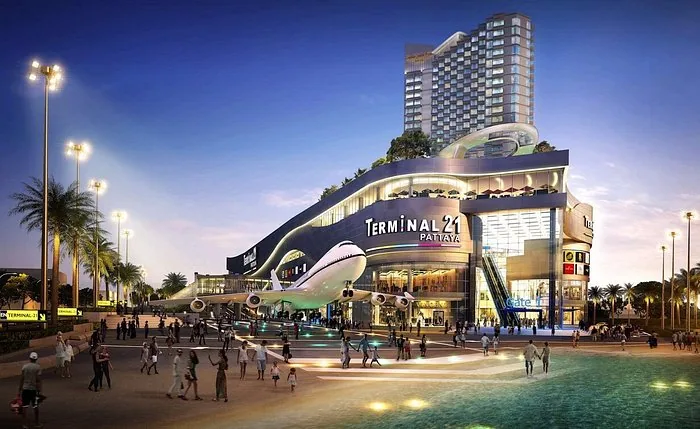
Terminal 21 is the more interesting of the two, and the only mall in the city that people photograph. Each floor is themed around a different world city, and the execution is good enough that visitors take pictures of the corridors and, memorably, the bathrooms.
The real reason to come is Pier 21, the upper-floor food court, where a proper meal costs a fraction of the restaurants downstairs and the range is wide enough to solve any group. Payment works by prepaid card: you top it up at a counter, spend it at the stalls, and get the balance refunded on the way out. There is a night market outside in the evening.
Central Pattaya on Beach Road is the more conventional mall, six floors of international brands with a cinema, a large basement supermarket and a food court. Its advantage is position: it runs straight through from Beach Road to Second Road with direct beach access, so you can come off the sand, eat, shop and come back out without ever being in the sun. Sunset from the seaward side is genuinely good.
Parking is the recurring complaint at Central, and the Second Road entrance is the easier one to arrive at by car. The supermarket and some restaurants open earlier than the mall proper.
Both malls are, functionally, free air conditioning with a cinema and a supermarket attached. On a wet season afternoon that is not a small thing.
The night markets
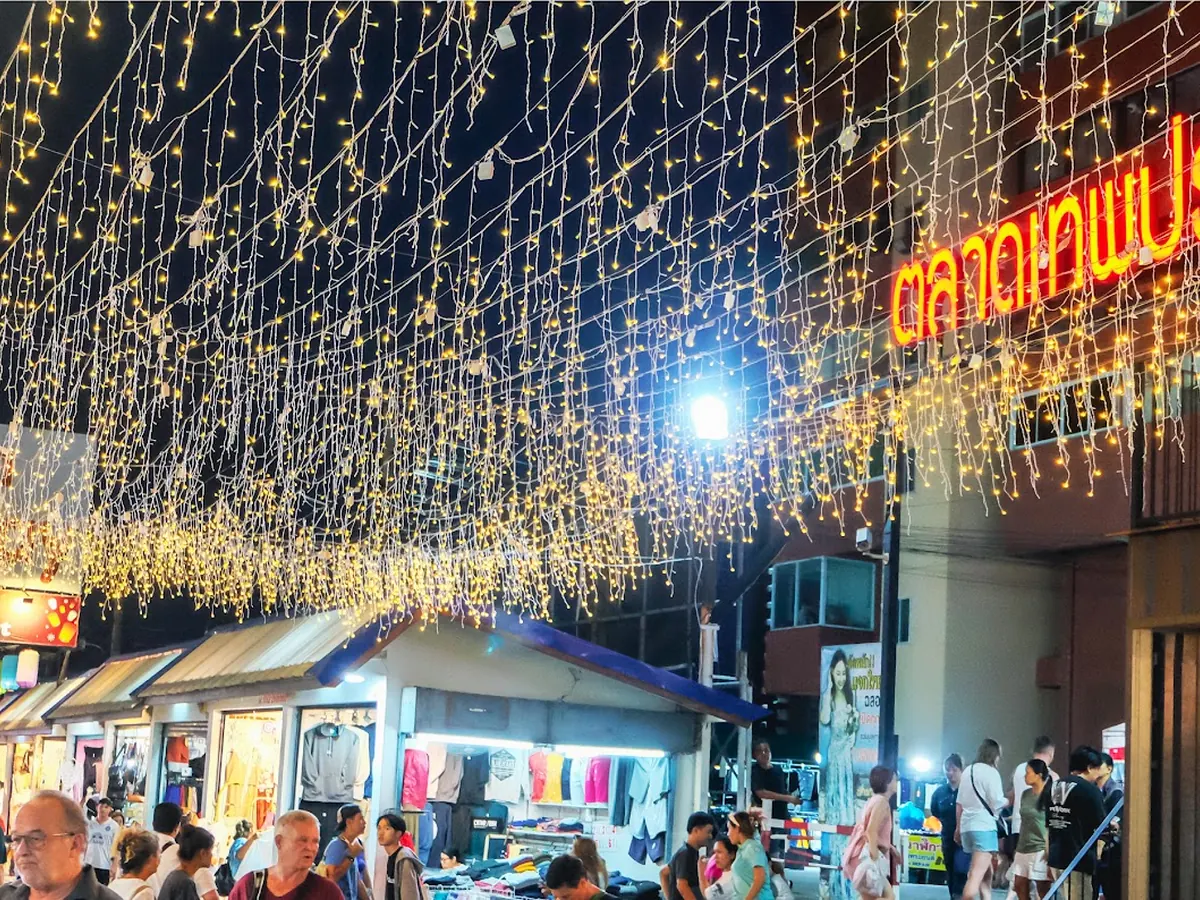
Thepprasit is the biggest, and the food section is the reason to go. The clothing and souvenir stalls are much like everywhere else in Thailand, priced fairly and worked by vendors who will let you browse in peace. It is substantially larger at the weekend than midweek. Bring cash.
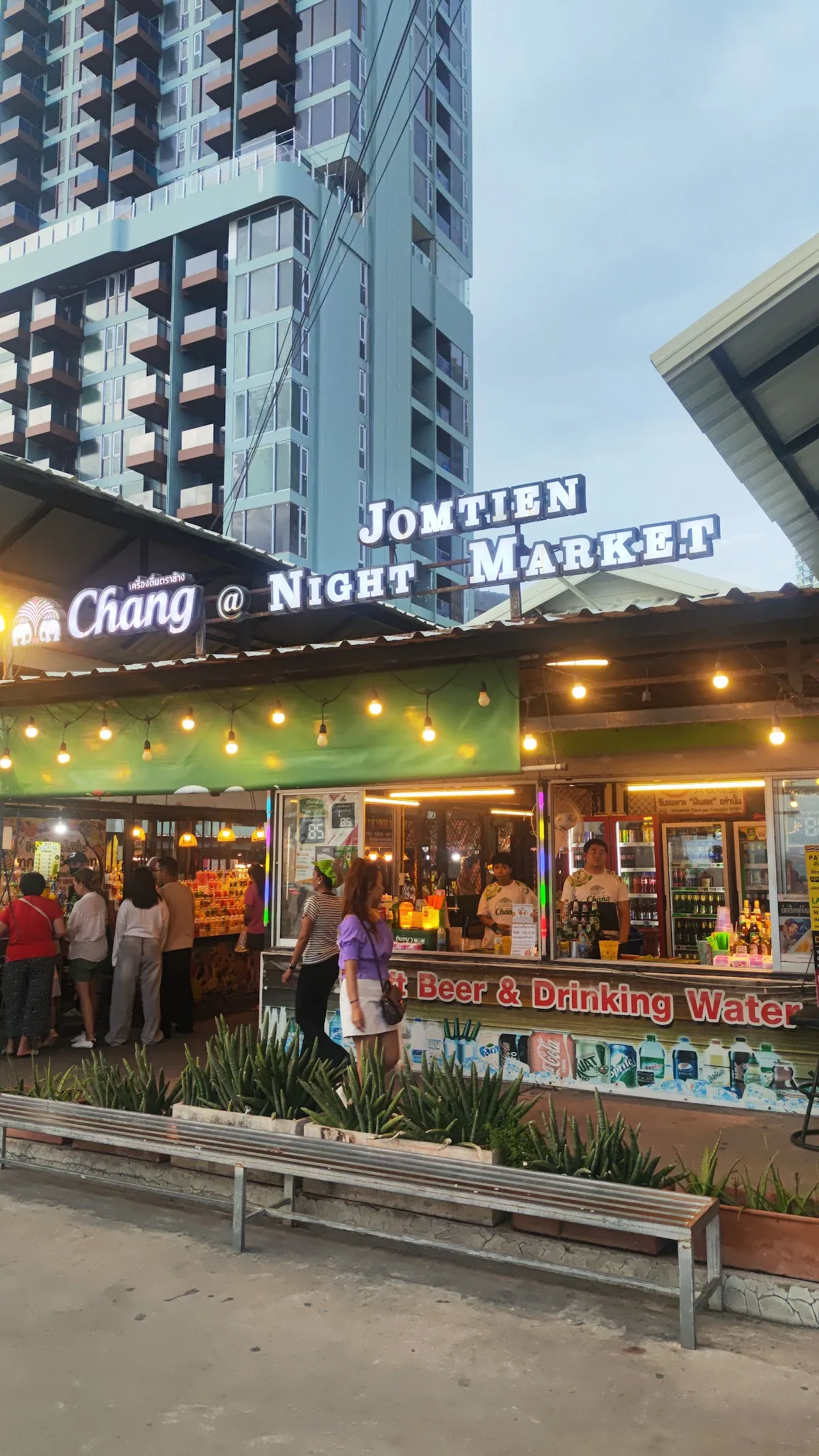
Jomtien Night Market is the more pleasant one: across the road from the beach, open air, calmer, with a crowd that skews local. Better for an evening out than for actual shopping.
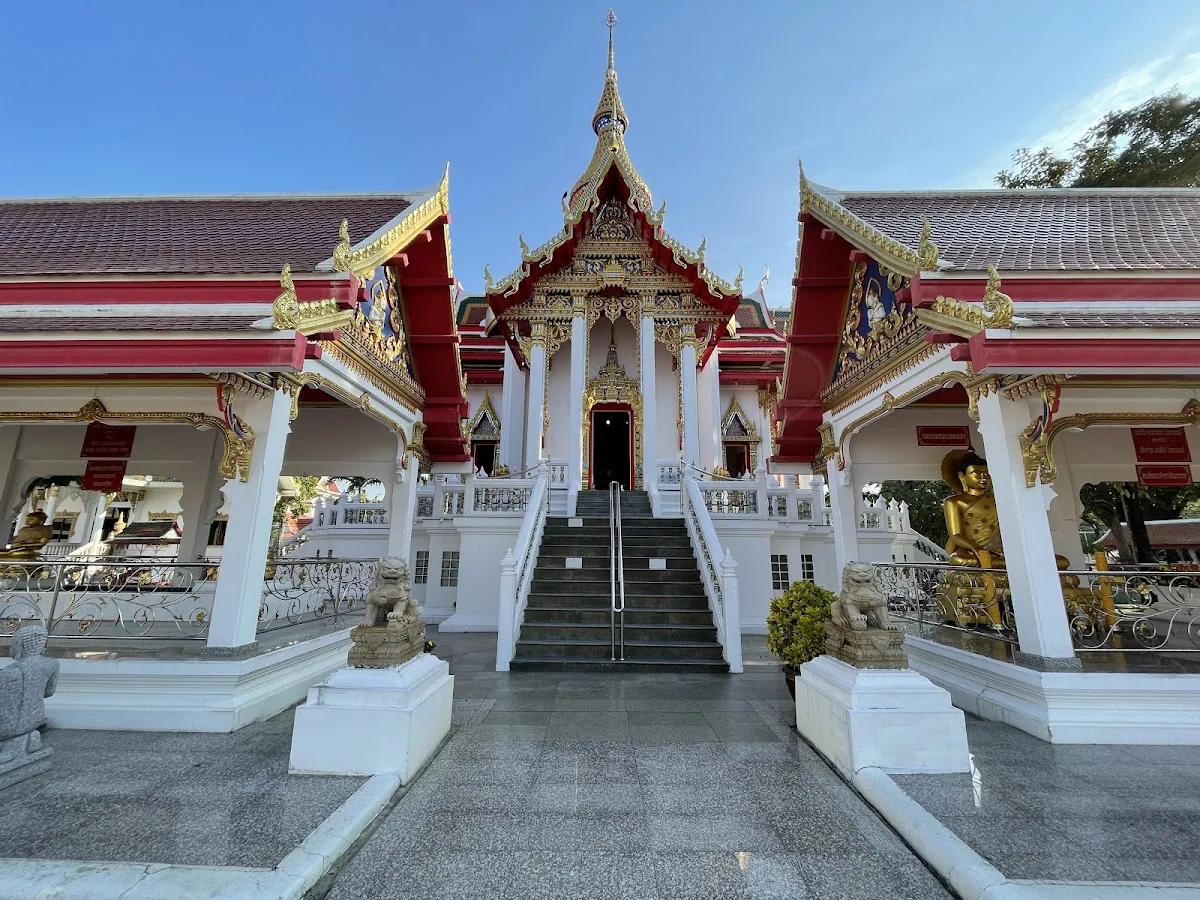
The market at Wat Chai Mongkron in South Pattaya runs in the grounds of a working temple, draws a mostly Thai crowd, and prices accordingly. This is the one where you are genuinely shopping at local prices rather than tourist ones.
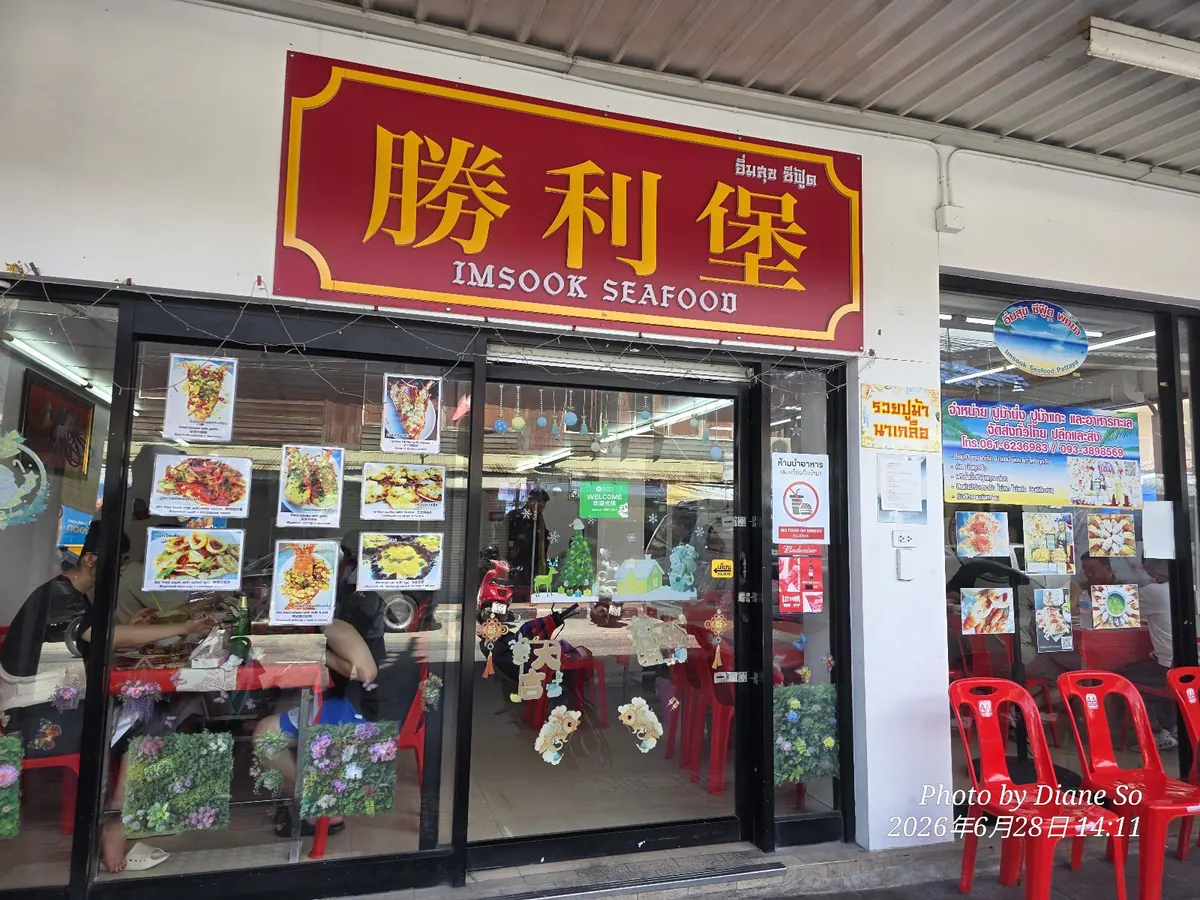
Lan Pho Na Kluea in Naklua is a seafood market rather than a general one, and it is covered in detail elsewhere. Worth mentioning here because it closes in the early evening, unlike everything else on this list.
What is actually worth buying
Thai coffee beans. Single origins from Chiang Rai, Doi Chaang and Doi Tung are genuinely good and travel well. Buy from a roastery rather than a souvenir shop, ask for the roast date, and buy whole bean.
Cotton and linen clothing. Made for this climate and priced sensibly at markets. Tailoring is available too, though Bangkok does it better.
Dried fruit, cashews and snacks. Cheap, light, and better quality in supermarkets than in tourist shops.
Thai cooking ingredients. Curry pastes, fish sauce, palm sugar and dried spices from a supermarket cost a fraction of what they do abroad and are the most useful souvenir on this list.
Silverware and ceramics from the markets, where the quality varies enormously but the good pieces are good.
Toiletries and pharmacy goods. Thai skincare, balms and pharmacy products are excellent value and pharmacies here will advise without a prescription.
What is not
Branded electronics. Rarely cheaper than home once you account for warranty, and the counterfeit rate on accessories is high.
"Designer" bags, watches and sunglasses. Counterfeit, illegal to import into most countries, and confiscated at customs more often than people expect.
Gemstones and jewellery from a tour operator. The gem scam is one of the oldest in Thailand and it is still running. Nobody legitimate takes you to a gem shop as part of a day trip.
Generic souvenirs. The elephant trousers, the wooden frogs, the fridge magnets. Available in every tourist town in Thailand at broadly the same price, and there is no reason to buy them here specifically.
Bargaining, and how it actually works
At markets, prices are a starting point. In malls, they are not.
The convention is straightforward. Ask the price, offer meaningfully less, settle somewhere in the middle. The correct tone is friendly rather than aggressive, and walking away is a legitimate move that often produces a better price before you have gone ten paces.
Two things worth understanding. Buying multiple items from the same stall gets you a better rate than haggling hard on one. And the difference you are arguing over is usually small in your currency and meaningful in theirs, so knowing when to stop is part of doing it well.
Nobody bargains over food.
Practical notes
Cash. Markets are cash businesses almost without exception. Malls take cards everywhere.
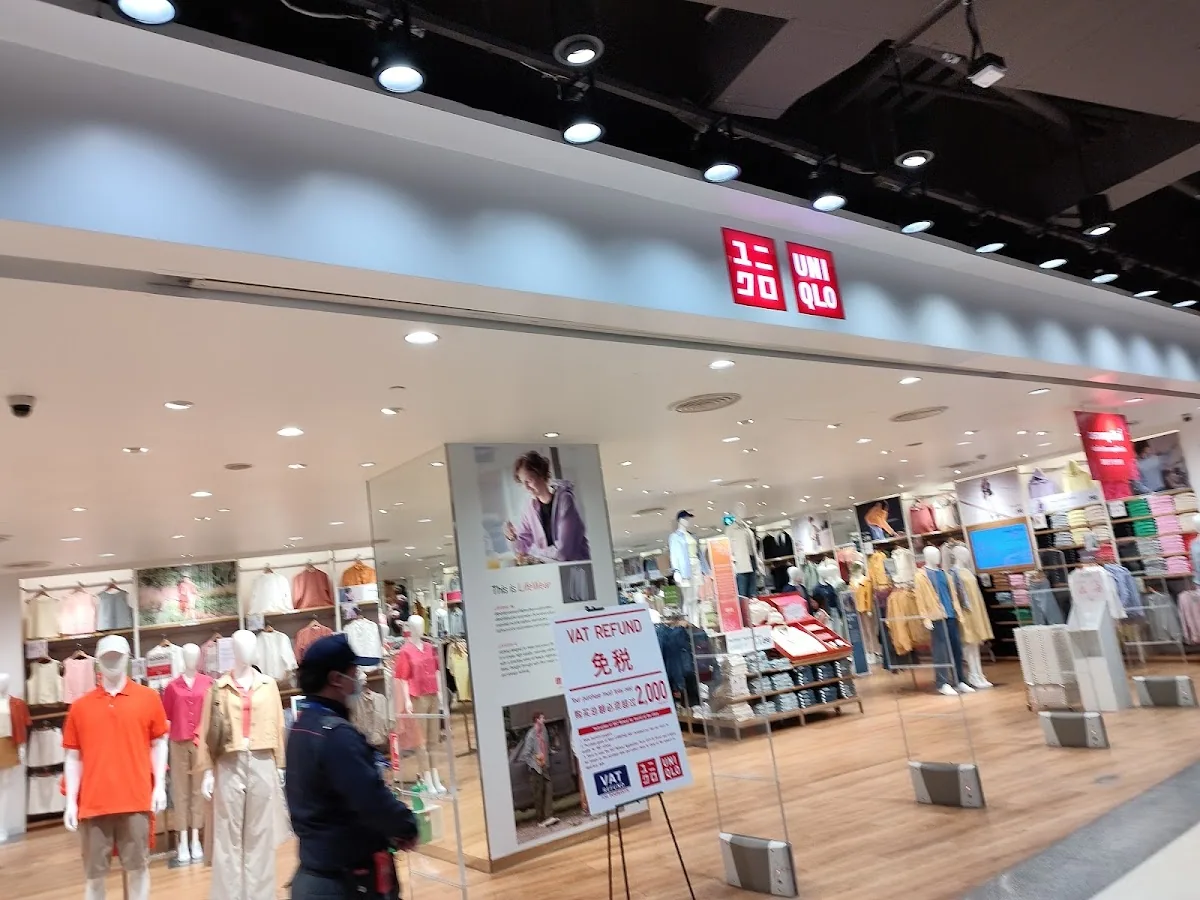
VAT refunds. Foreign visitors can reclaim VAT on qualifying purchases from participating shops, which in practice means the malls and department stores rather than markets. You need to ask for the form at the point of sale and process it at the airport on departure. Worth doing on a substantial purchase, not worth the queue on a small one.
Sizing. Thai clothing sizes run considerably smaller than European or American ones. Try things on.
Opening hours. Malls open late morning and run to late evening. Markets are late afternoon onwards, except the seafood market, which is the reverse.
Weekends. Markets are much bigger and busier Friday through Sunday. Midweek is calmer but some stalls do not bother.
The one place to spend real money
If you want a single genuinely good purchase rather than a bag of souvenirs, buy Thai coffee from one of the specialty roasteries, or a properly made piece of cotton or linen clothing from a market stall you have taken time over.
Both are things you will actually use, both are better here than at home, and neither is available at your airport.
Where residents actually shop
The malls and night markets are for visitors and for weekends. Day-to-day shopping happens elsewhere.
Wet markets are where produce is bought: open early, cheapest by a wide margin, and considerably fresher than the supermarkets. Every neighbourhood has one.
Big supermarkets stock imported goods and are where most foreign residents do a weekly shop. The imported aisles carry familiar brands at import prices; the Thai equivalents beside them are a fraction of the cost and usually fine.
7-Eleven is genuinely part of the infrastructure here rather than a convenience store. Bill payments, top-ups, parcel collection, and food at any hour.
Specialist shops cluster: hardware on certain roads, motorbike parts on others, fabric and tailoring in specific blocks. Ask rather than search.
Tailoring
Pattaya has a lot of tailors and the quality varies enormously. The good ones are excellent value; the ones with a tout outside are not.
The signals are consistent. A proper tailor takes multiple fittings, not one. They will show you cloth by weight and weave rather than by picture. They will quote a delivery time in days rather than promising a suit by tomorrow. And they do not need to stop you in the street.
If you want a suit made in Thailand and quality matters more than price, Bangkok does it better and the difference is worth the trip.
Getting things home
Airline allowances are the practical constraint, and most of what is worth buying here is light.
Shipping is available and reasonable for larger purchases, and most legitimate shops will arrange it. Get the paperwork and a tracking reference before you pay.
Customs. Counterfeit goods are seized routinely on entry to the EU, UK, US and Australia, and the fines are real. Restrictions also apply to Buddha images leaving Thailand, to certain antiques, and to some plant and animal products. Check before buying anything unusual.
When to go
Weekday mornings for the malls, when they are empty.
Friday to Sunday evenings for the night markets, when they are at full size.
Early morning for wet markets.
Any afternoon in the wet season for the malls, along with everyone else who has been rained off the beach.
Markets by day of the week
Not every market runs every night, and the biggest versions cluster at the weekend.
Thepprasit is at full size Friday through Sunday and noticeably smaller midweek. If you only go once, go at the weekend.
Jomtien Night Market runs nightly but is busiest at weekends.
Wet markets run every morning, and are the exception to the weekend rule.
Lan Pho in Naklua runs from early morning until early evening, which makes it the only one on this list that is not an evening activity.
If a trip depends on a particular market, check locally on the day. Hours shift seasonally and around Thai holidays.
Buying electronics and phones
Worth a short section, because it is the category where people most often expect a bargain and do not get one.
Phones, laptops and cameras are broadly the same price here as anywhere, sometimes slightly more once you account for warranty coverage that only applies in Thailand. Official brand stores in the malls are the safe option.
Accessories, cables, chargers and memory cards are where the counterfeit rate is high, particularly at market stalls. A cheap charger is a genuinely bad purchase.
Repairs, on the other hand, are excellent value. Screen replacements and battery swaps are quick, competent and cheap in the phone shops clustered in and around the malls.
Practical etiquette
Do not touch produce at a wet market unless you are buying it.
Small notes. Market vendors early in the day frequently cannot change a large note, and it is genuinely inconvenient for them.
Two hands when handing over or receiving money, or the right hand with the left touching the forearm. A small courtesy that is noticed.
Photographs. Ask before photographing a vendor or their stall. Most will happily agree; being asked is the point.
Common questions
- What are the main shopping options in Pattaya?
- Pattaya offers two main malls, Terminal 21 and Central Pattaya, along with several night markets such as Thepprasit and Jomtien Night Market, and various specialist shops.
- What specific items are recommended for purchase in Pattaya?
- Recommended purchases include Thai coffee beans from roasteries, cotton and linen clothing from markets, dried fruit and cashews from supermarkets, and Thai cooking ingredients like curry pastes.
- What items are not recommended to buy in Pattaya and why?
- Avoid branded electronics due to warranty issues, counterfeit designer goods as they are illegal to import, gemstones from tour operators due to scams, and generic souvenirs available everywhere.
Places in this guide
attractions
Terminal 21 Pattaya
A themed mall that is genuinely worth walking around, and the food court is the point.
attractions
Central Pattaya
The beachfront mall, with the bay on one side and Beach Road on the other.
attractions
Thepprasit Night Market
The biggest night market in Pattaya, and mostly about the food.
attractions
Jomtien Night Market
The night market to take a family to.
hidden-gems
Lan Pho Na Kluea Market
Buy your seafood at the market, then pay someone at the back to cook it.
attractions
Wat Chai Mongkron
A working temple in the middle of the city, with a night market attached.
Related guides
- Food & DrinkWhere locals actually eat in PattayaMarkets, small kitchens and one seafood ritual that has nothing to do with the tourist strip. What Thai residents eat and where.
- Trip PlanningPattaya's tourist traps, honestly assessedWhich of the city's famous attractions are worth the money, which are not, and which you should avoid for reasons beyond value.
- Culture & HistorySongkran in Pattaya: the longest water fight in ThailandThai New Year runs longer here than anywhere else in the country, finishing with Wan Lai. What actually happens, how to survive it, and whether to come or avoid it.
Browse every topic in our Pattaya guides, or ask the Pattaya AI Guide about anything in this guide.