

Guide
Staying longer in Pattaya: the practical basics
SIM cards, banking, healthcare, which areas suit which lives, and the realities of a longer stay that nobody mentions until you are here.
7 min readUpdated
Good to know
- Best time
- The cool season from November to February is also the high season, offering the best weather but also the busiest period and peak prices.
- Who it suits
- Jomtien suits those wanting a walkable, residential feel, while East Pattaya is better for residents with families or a car who need more space.
- What to bring
- You must bring your passport to register for any local SIM card, which is a legal requirement for all networks.
- Good to know
- Rental deposits are commonly two months' rent plus one month in advance; confirm if electricity is billed at the government or a higher building rate.
Plenty of people arrive in Pattaya for two weeks and start wondering what a longer stay would look like. It is a reasonable thought: the cost of living is low, the infrastructure is better than the reputation suggests, Bangkok is two hours away, and the weather does not change much.
This is the practical side of that, the things you deal with in the first month. It is not a guide to visas, immigration or buying property. Those are questions for a qualified professional, and the rules change often enough that anything written here would be out of date before you needed it.
Which area suits which life
This is the decision that shapes everything else, and it is worth spending time on before signing anything.
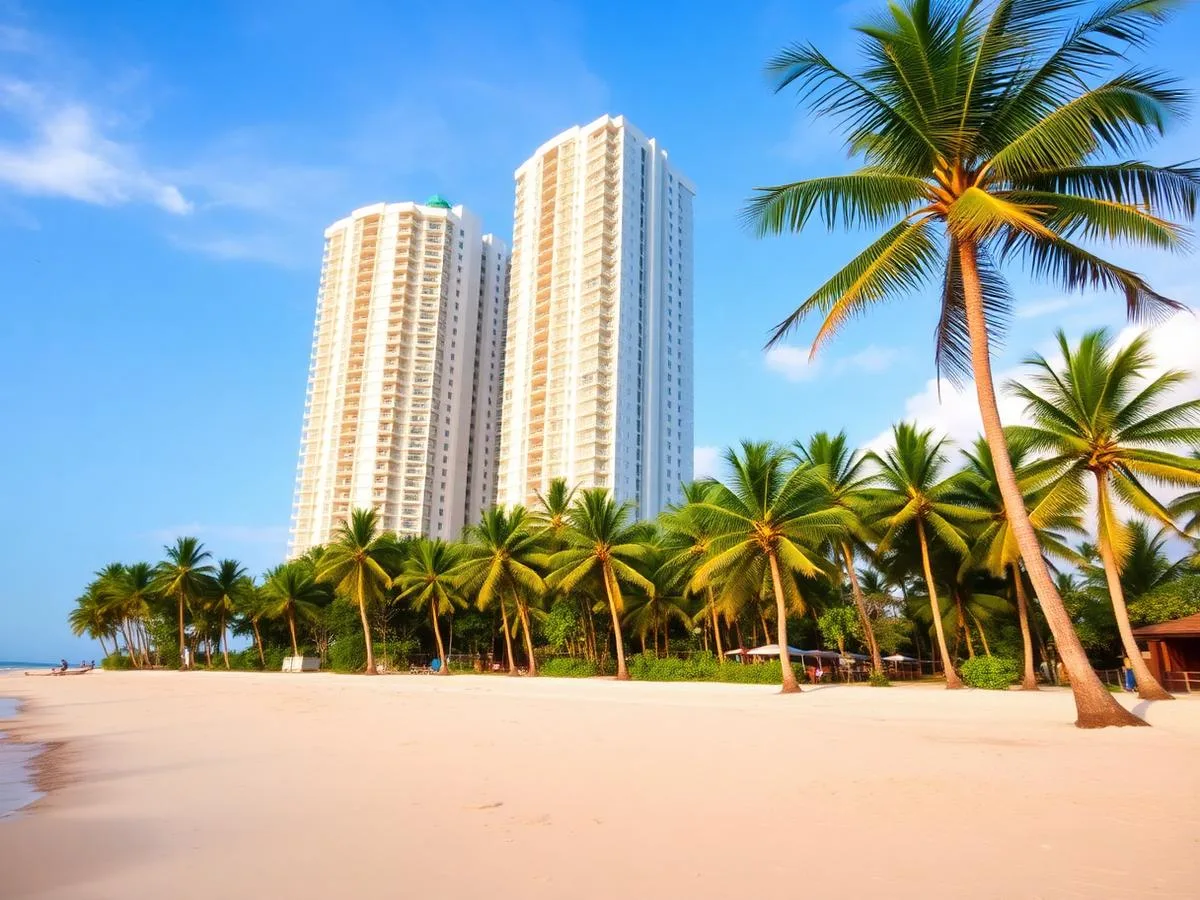
Jomtien is where most long-stay foreign residents end up, and for good reason. A long, wide beach, a genuine residential feel, ordinary shops and markets, decent restaurants, and enough density that you do not need a vehicle for daily life. It is walkable in a way most of the city is not.
Pratumnak sits on the hill between the two main beaches and is quieter and greener, with small beaches, no nightlife to speak of and a mix of condominiums and houses. Popular with people who want to be central without being in it.
Naklua and Wongamat at the northern end are the calmer, more upmarket end of the coast. Closer to Terminal 21, good restaurants, and a beach that stays clean. Prices reflect that.
East Pattaya, sometimes called the Darkside, is where most long-term residents with families or a car live. Houses rather than condominiums, gardens, space, considerably more for your money, and a proper cluster of restaurants and bars around Lake Mabprachan and Siam Country Club Road. The trade is that you need a vehicle for everything.
Central and South Pattaya are where the nightlife is concentrated. Convenient and lively, and most people who stay long term move away from them.
The general rule: the further from the beach, the more space per baht. The further from Sukhumvit, the more you need a car.
Getting connected
SIM cards are the first thing to sort and the easiest. The three main networks all have counters at the airports and shops in every mall, coverage across Thailand is excellent, and data is cheap by any international standard. Bring your passport, which is required for registration.
For a longer stay, a monthly package rather than a tourist SIM works out considerably cheaper.
Home internet is fast, cheap and widely available. Fibre reaches most condominium buildings and residential areas, and installation is usually straightforward. Many condominium rentals include it.
Mobile data is good enough to work from, which matters if your internet is being installed and you have a deadline.
Banking and money
Opening a Thai bank account as a foreigner is possible but the requirements vary by bank, by branch and by your visa situation, and they change. Some branches are considerably more helpful than others, and the usual advice from residents is to try more than one.
In the meantime, ATMs are everywhere and accept foreign cards, with a fixed fee per withdrawal that makes fewer, larger withdrawals sensible. Card acceptance is universal in malls and restaurants and absent at markets and small kitchens.
Currency exchange booths consistently offer better rates than banks or airports, and the well-known ones in central Pattaya are competitive. Compare two before committing to a large amount.
Healthcare
This is one of the genuine advantages of living here, and it is worth understanding early.
Bangkok Hospital Pattaya on Sukhumvit is the main international-standard hospital, open around the clock, with an English-speaking international patient department used to dealing with foreign residents and insurers. Costs sit well above a Thai government hospital and well below equivalent private care in most Western countries.
There are several other private hospitals in the city, and Thai government hospitals which are considerably cheaper and considerably busier.
Pharmacies are on almost every street, well stocked, and staffed by pharmacists who can advise on and dispense a wide range of medication without a prescription. For minor problems this is often faster and cheaper than a doctor.
Health insurance is worth having and worth arranging before you need it. Requirements vary depending on your circumstances, and this is another area where professional advice beats a website.
Save the hospital's number in your phone now rather than looking it up in an emergency.
Getting around day to day
If you live near the beach and the main roads, baht buses cover daily life cheaply. Ride the fixed loops, press the buzzer, pay at the window, and do not engage the driver about a specific destination unless you want a private-hire price.
Ride-hailing works well citywide and removes all negotiation. It is the default for anything off the main routes and for coming home late.
Scooters are how most residents get around, and they are the practical answer for the east side. Three honest points: helmets are legally required and routinely checked, most travel and health insurance excludes riders without the correct licence category, and Pattaya traffic is not somewhere to learn. Road accidents are the leading cause of serious injury to foreigners in Thailand.
Cars make sense if you live east or have a family. Traffic is manageable by Bangkok standards and parking is generally easy outside the beach strip.
The rhythm of the year
November to February is the cool season, the high season, and the best weather. It is also when prices peak and the city is busiest.
March to May is the hot season, and it is genuinely hot. Outdoor activity moves to early morning and evening.
June to October is the wet season, which in practice means heavy afternoon storms that pass rather than continuous rain. Prices drop, the city empties out, and many long-term residents prefer it.
Plan a long stay around that and the year works.
Working and staying sane
If you work remotely, the practical constraints are bandwidth (fine), power outages (rare), and finding somewhere that is not your apartment.
The specialty cafés are the informal answer. Albatross opens early and runs late. Several co-working spaces have opened in recent years and are worth a trial day.
The less obvious thing: build a routine that gets you out of the heat and around people. The most common complaint from people who leave after six months is not cost or bureaucracy, it is isolation. Sports bars, quiz nights and the various clubs and societies that exist here are how most residents solve it. The Stables and similar rooms on the east side run regular nights and are how people meet each other.
Daily practicalities
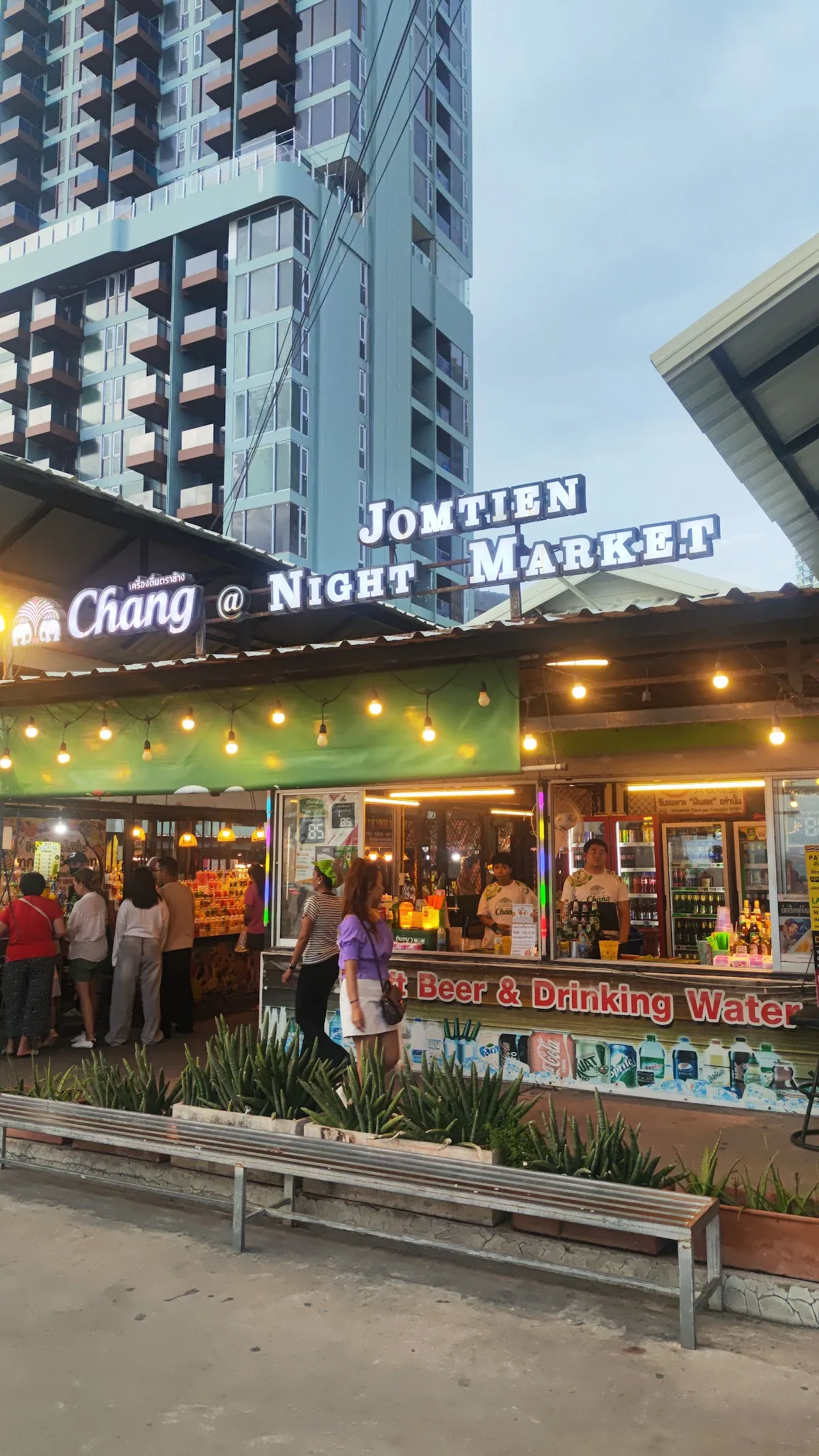
Supermarkets are excellent. The big chains stock most Western products, the markets are far cheaper for produce, and Jomtien Night Market and the local wet markets are where residents actually shop for food.
Laundry shops are on every street and cost very little.
Utilities are generally paid at 7-Eleven or by app, which is more convenient than it sounds.
Learning some Thai transforms daily life, and even a hundred words of it changes how people respond to you. Language schools in the city offer structured courses, and several run intensively.
What this guide deliberately does not cover
Visas, immigration procedures, work permits, tax residency, and buying property. All five are subject to rules that change, all five have serious consequences if you get them wrong, and all five are worth paying a qualified professional to advise on for your specific circumstances.
Anyone who tells you the current visa position with total confidence in a blog post is telling you what was true when they wrote it. Check with a licensed adviser, and check again before you act.
The honest summary
Pattaya suits a longer stay better than its reputation suggests, largely because the parts that made the reputation are geographically small and easy to live away from.
What you get is good infrastructure, excellent healthcare, a low cost of living, a large and mixed foreign community, an international airport two hours away, and weather that is reliable if not always comfortable.
What you have to work at is routine, community and heat management. Everything else is logistics.
Renting: what to look at before you sign
Whatever the length of stay, a few things consistently catch people out.
Electricity is billed at different rates depending on whether you are charged the government rate or a building rate set by the landlord or juristic office. The difference over a year with air conditioning running is substantial. Ask which applies before signing.
Water is usually cheap and often included, but confirm.
Deposits are commonly two months' rent plus one month in advance, and getting a deposit back is a known friction point. Photograph everything on the day you move in, including existing damage, and keep the photographs.
Internet may or may not be included, and may be a shared building connection rather than your own line.
Air conditioning units are the single most common maintenance problem. Ask when they were last serviced and test every one before agreeing anything.
Noise. Visit at night as well as during the day. Construction is constant in parts of the city, and a quiet building in the morning can back onto a bar that opens at eight.
Building a life rather than a holiday
The practical stuff is easy. The part people underestimate is structure.
A holiday has a shape imposed on it. A long stay does not, and the combination of heat, cheap alcohol and no fixed routine has undone plenty of people who arrived with good intentions. The residents who do well here almost all have three things: something to do in the mornings, some form of exercise, and a group of people they see regularly.
Pattaya makes the third one unusually easy. There are sports clubs, running groups, cycling groups around the lake, quiz nights, charity organisations, business networking groups and language schools, most of them welcoming to newcomers and easy to find through local Facebook groups.
The heat makes exercise a scheduling problem rather than a motivation problem: early morning or after dark, and the lake road on the east side is the obvious place for it.
Learning Thai
Worth doing, and worth doing properly rather than through an app alone.
Thai is tonal, which makes it harder to start than most European languages and easier than it looks once the tones land. Reading the script is a bigger investment and pays off more than people expect, because it unlocks menus, signs and prices.
Several schools in Pattaya run structured courses, and some offer intensive programmes. Even a modest level changes daily interactions substantially.
Cost of living, honestly
Pattaya is cheap relative to Western Europe, North America and Australia, and it is not as cheap as it was ten years ago.
The variables that matter most are accommodation, whether you run a vehicle, whether you eat Thai or Western food, and whether you drink imported alcohol. Those four decisions produce a range of monthly costs so wide that a single figure would be meaningless.
The people who spend the least eat Thai, live inland, use a scooter and drink locally produced beer. The people who spend the most live on the beach, eat imported, run a car, and are surprised at the end of the month.
Common questions
- Which areas in Pattaya are suitable for long-term residents?
- Jomtien is popular for its residential feel, while Pratumnak is quieter. Naklua and Wongamat are more upmarket, and East Pattaya offers houses and more space if you have a vehicle.
- What do I need to know about getting a SIM card in Pattaya?
- SIM cards are easy to obtain with your passport at airports or malls. For a longer stay, a monthly package is typically cheaper than a tourist SIM card.
- How does healthcare work for foreigners in Pattaya?
- Bangkok Hospital Pattaya is an international-standard hospital with English-speaking staff. Pharmacies are well-stocked for minor issues, and health insurance is recommended.
Places in this guide

attractions
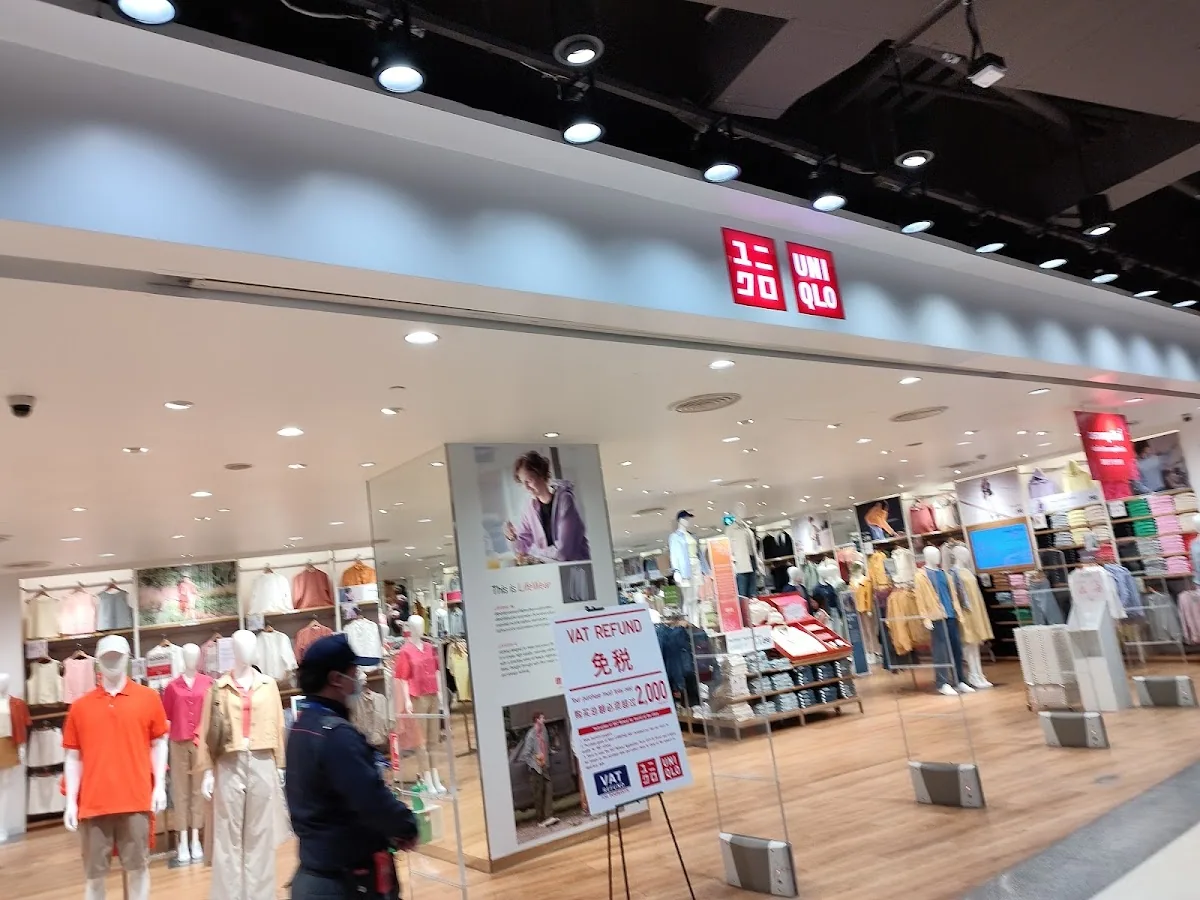
Terminal 21 Pattaya
A themed mall that is genuinely worth walking around, and the food court is the point.
attractions
Central Pattaya
The beachfront mall, with the bay on one side and Beach Road on the other.
cafes
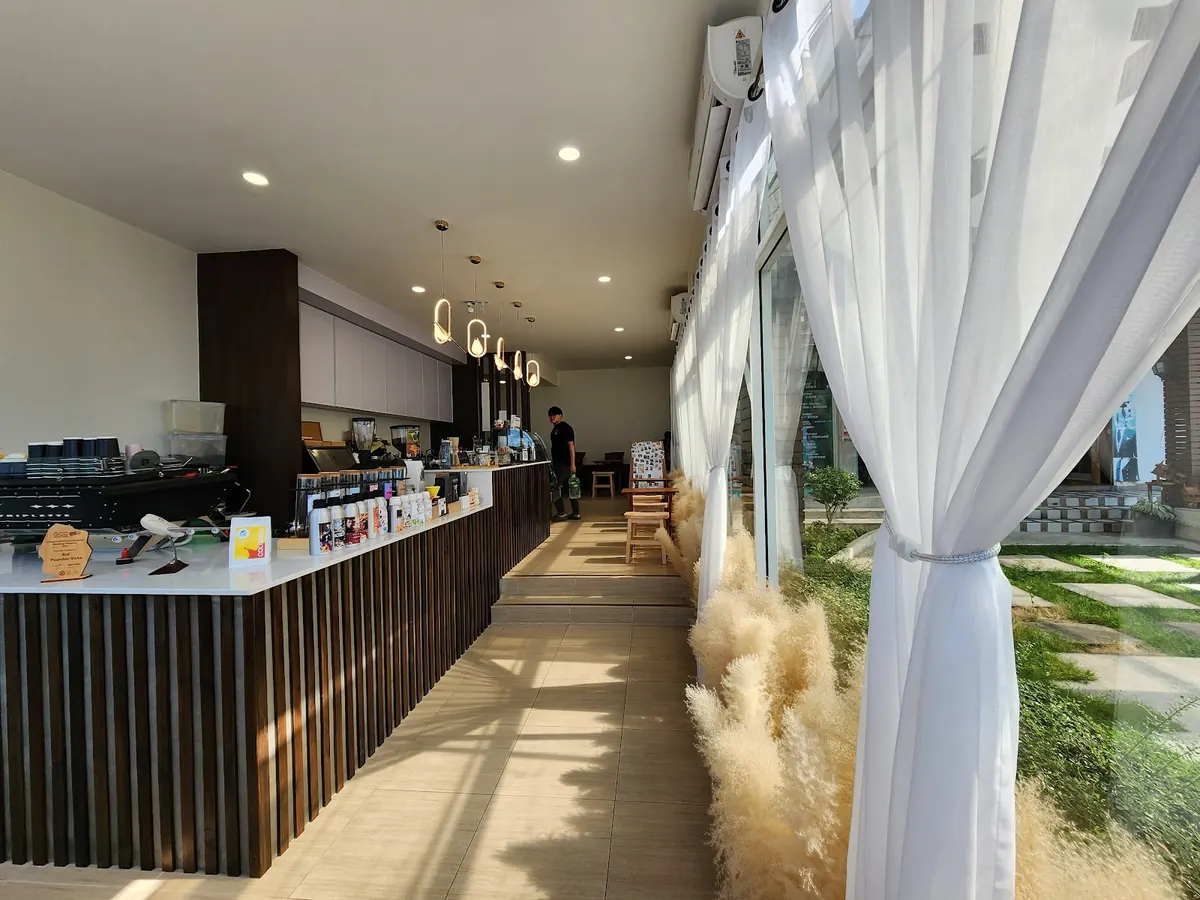
Albatross Coffee Roasters
Light roasts done properly, with the sea across the road.
bars
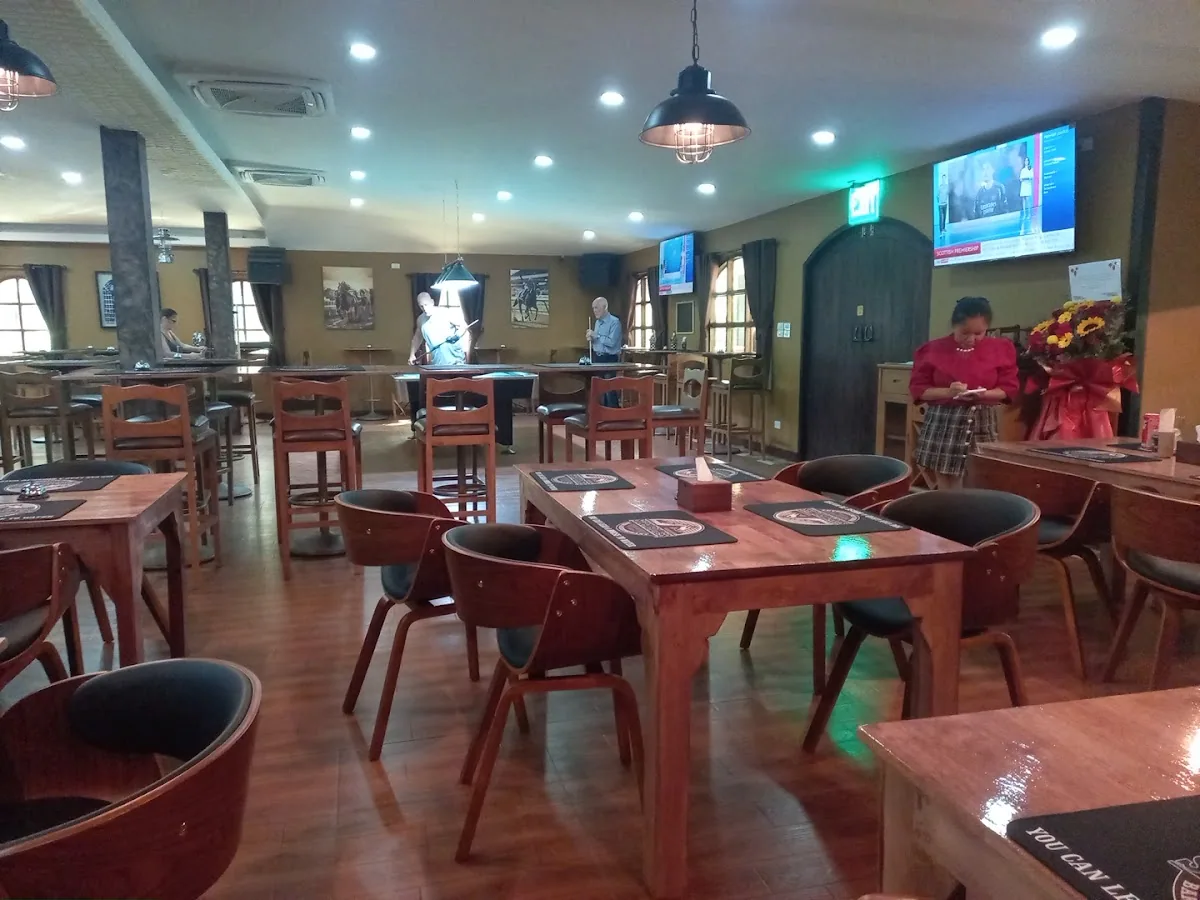
The Stables Bar & Restaurant
British comfort food done properly, in the best-appointed small bar on the east side.
attractions
Jomtien Night Market
The night market to take a family to.
Related guides
- Getting AroundGetting around PattayaBaht buses, ride-hailing, scooters and when to just walk. What each one is actually for, and the pricing trap that catches almost everyone.
- Culture & HistorySongkran in Pattaya: the longest water fight in ThailandThai New Year runs longer here than anywhere else in the country, finishing with Wan Lai. What actually happens, how to survive it, and whether to come or avoid it.
- Living HereBuying a condo in Pattaya: what to check before you commitA practical checklist for foreign buyers. What documents matter, what the ongoing costs are, and the questions that separate a good purchase from an expensive lesson.
Browse every topic in our Pattaya guides, or ask the Pattaya AI Guide about anything in this guide.