

Guide
Where to eat seafood in Pattaya
Pattaya's best seafood comes from market stalls in Naklua and Bang Saray, not tourist-strip photo menus. Here is where to go, how to order, and the pricing traps to avoid.
9 min readPublished
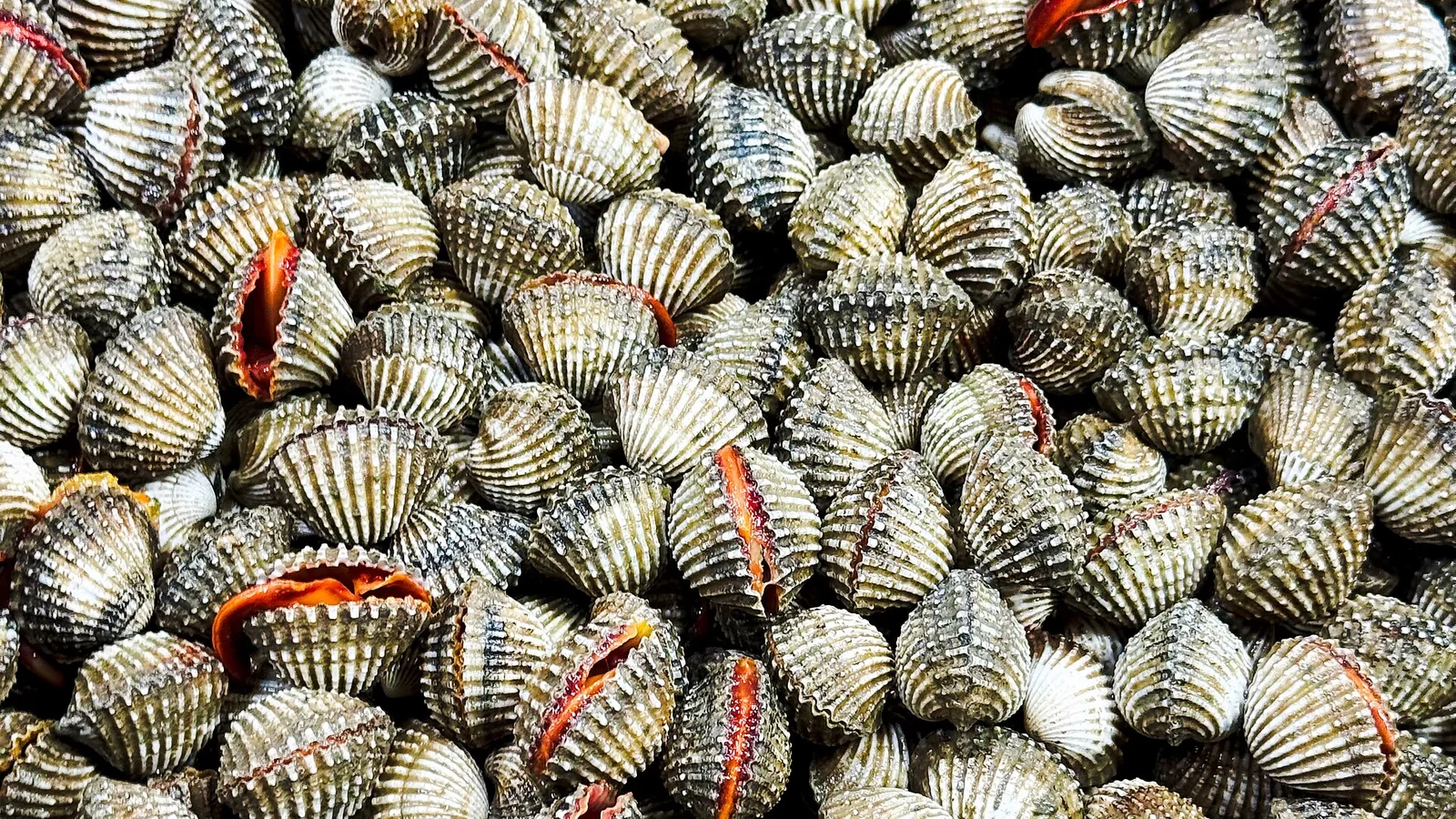
Good to know
- Good to know
- Freshness is judged by eyes, gills and smell, not signage
- Getting there
- Naklua and South Pattaya are short songthaew rides, Bang Saray is 40 to 60 minutes
- Best time
- Early morning for market selection, evening for restaurant dining
- Who it suits
- Independent travellers who like choosing their own seafood
- What to avoid
- Photo-menu touts on Beach Road with no visible weighing scale
- How long you need
- A morning for a market visit, an evening for a sit-down meal
Pattaya's seafood is best judged by where you buy it, not by what a menu promises. The honest short answer: go to a market with a cooking stall attached for the freshest and cheapest catch, go to a proper restaurant in Naklua or Bang Saray for a sit-down meal with sauces done properly, and treat any tout waving a laminated photo menu on Beach Road with suspicion. Freshness is judged by eyes, gills and smell, not by a sign that says "fresh" in English.
This guide covers the main seafood zones, how the market and restaurant experiences differ, how to order without getting stitched up, and the pricing traps that catch nearly every visitor at least once.
The four seafood zones and who each suits
Naklua, on the northern edge of town around the old fishing pier and the Lan Pho Naklua Market, is where a lot of Pattaya's seafood actually lands. It has kept its working character even as condos have gone up around it, and the market runs early with boats coming in and traders laying out the morning's catch on ice. This is the zone for anyone who wants to see where the food comes from and buy it a few metres from where it was landed.
South Pattaya, roughly the stretch around Walking Street and the older seafront sois, is where the big-name seafood restaurants sit, several of them decades old and built around tanks of live crab, prawns and fish. This is where you go for an occasion meal with air conditioning, English menus and a waiter who will steer you if you ask. Nang Nual Pattaya is the long-running name here and it is popular for a reason, though it is not the cheapest option in town and it knows it has a reputation to trade on.
Bang Saray, the fishing village south of Jomtien, is the most authentic of the four and the one that rewards a bit of extra travel. It still functions as a working port, the market by the pier sells straight off the boats, and there are simple open-air restaurants along the front where the fish on your plate was very possibly swimming that morning. Kept Bang Saray has brought a more polished dining option to the area without losing the village's working feel, and it suits anyone who wants a proper meal rather than a market plate. Bang Saray is covered in more depth in the guide to Bang Saray and the fishing villages.
Jomtien does not have the same fishing heritage as the other three but it has a dense strip of restaurants along the beach road and side sois, many aimed squarely at the long-stay expat and Russian and Scandinavian visitor markets, with seafood platters and grilled fish a fixture on most menus. It suits anyone staying in Jomtien who wants decent seafood without a special trip, rather than anyone chasing the best plate in town.
Market versus restaurant: two different experiences
Buying at a market and eating at a market are not always the same transaction, and it helps to know which one you are doing.
At places like Lan Pho Naklua Market or the Bang Saray pier market, you can buy raw seafood by weight to cook at home if you have a kitchen, or take it to one of the cooking stalls attached to many markets where they will grill, steam or fry what you have bought for a small preparation charge. This is the cheapest way to eat well and it puts you in direct control of what you are paying for, because you have already seen and chosen the fish, prawns or crab before anyone touches it.
Restaurants, by contrast, sell you a finished dish and the seafood itself is invisible until it arrives cooked. The advantage is skill: a good Thai seafood kitchen knows how to balance a tamarind sauce, get the wok hot enough for real char on stir-fried crab, or steam a fish so it stays moist, and that is not something most visitors can replicate with a market fish and a hotel room kettle. The trade-off is that you are trusting the kitchen's sourcing rather than checking it yourself, which is where reputation matters more than at a market stall you can inspect with your own eyes.
Neither approach is right for everyone. Best for market buying: independent travellers who like a hands-on experience, anyone with self-catering facilities, budget-conscious diners happy to eat standing or at plastic tables. Best for restaurants: anyone wanting a relaxed sit-down meal, groups celebrating something, visitors who want the cooking done by people who do it every day.
How to order seafood in Pattaya
Ordering well comes down to a handful of habits that locals use without thinking about them.
- Point at the tank or the ice, not the menu photo. Live crab and prawns are usually kept in tanks or trays visible from the till or the entrance. Point to the one you want and confirm the weight before it is cooked. This is standard practice and staff expect it.
- Ask for the price by weight before you commit, especially for crab, lobster and larger fish, since these are almost always priced per hundred grams or per kilogram rather than as a fixed dish price. A friendly "how much for this one, cooked" in simple English or with gestures is normal and will not cause offence.
- Order cooking style separately from the seafood itself. A single fish can be steamed with lime and chilli, grilled with garlic, or fried with three-flavour sauce, and the price and preparation time differ. Staff will usually suggest a style if you are unsure, and it is worth taking the recommendation at a market stall since they know what suits that particular catch best.
- Share rather than order individually. Thai seafood meals are built around shared plates in the middle of the table with rice on the side, and ordering a personal "seafood dish" the way you might at home usually means one disappointing plate instead of a proper spread.
- Ask what is in season. Certain crab, prawn and fish varieties come and go through the year, and a stallholder or waiter who is proud of the catch will tell you honestly what is at its best that week rather than pushing whatever is easiest to sell.
How freshness is actually judged
Nobody in Pattaya's fish markets checks freshness by reading a label, because there is not one. It is judged the same way it is judged anywhere seafood is sold close to the source: by looking, smelling and, where possible, touching.
Whole fish should have clear, slightly bulging eyes rather than sunken, cloudy ones, and the flesh should spring back when pressed rather than leaving a dent. Gills, if you lift the flap, should be a clean red or pink, not grey or brown. A fish that smells strongly "fishy" in the unpleasant sense is past its best; genuinely fresh seafood smells faintly of the sea and not much else. Prawns should look firm and slightly translucent with heads intact and not blackening at the joints, which is one of the first signs of age. Crab and lobster sold live are the safest bet for freshness by definition, since the tank does the judging for you.
Cooked seafood at a restaurant is harder to assess before it arrives, which is why reputation, turnover and how busy the kitchen is matter more there than at a market. A restaurant with a packed tank being restocked regularly and a steady flow of local customers, not just tour groups, is a reasonable proxy for freshness even without inspecting the ingredients yourself.
Pricing traps to watch
Seafood is one of the areas of Pattaya dining where prices can move a long way from what a menu implies, and being aware of the common traps matters more than memorising numbers, since prices change without notice anyway.
Per-weight items with no visible scale. If crab, prawns or lobster are priced by weight and you are not shown the scale, ask to see it. This is common practice at reputable places and its absence is a signal to double-check the bill before paying.
Photo-menu touts on Beach Road and the tourist strips. Staff standing outside with laminated photos and pulling customers in are a reliable sign that the pricing inside is aimed at one-time tourists rather than repeat local customers. It is not always a scam in the criminal sense, but the mark-up tends to be steep and the seafood is rarely the best available nearby.
"Market price" written on a menu without a number. This is normal for genuinely variable items like lobster or unusually large crab, but it is also where disputes happen most. Always confirm the total cost verbally, ideally with the weight and price per unit stated together, before the item is cooked.
Sauces and sides charged as if they were included. A whole steamed fish might look like a complete dish on the menu but rice, extra sauce, or a side of vegetables can be charged separately. Ask what comes with the dish if the menu is not explicit.
Ice and drinks mark-ups at beachfront seafood spots. Seafood restaurants directly on the sand, especially around Jomtien and South Pattaya, often make more margin on drinks and ice than on the food itself, so a meal that looked reasonable on the seafood line can arrive at a higher total than expected once drinks are added.
None of this means Pattaya seafood is a minefield. Most transactions, especially at markets and long-running local restaurants, are straightforward and fairly priced. It simply pays to confirm price and weight before food is cooked, the same habit that protects you in almost every Thai market transaction, covered in more general terms in Pattaya costs and scams.
A rough area comparison
| Zone | Best for | Character | Watch for |
|---|---|---|---|
| Naklua / Lan Pho Market | Watching the catch land, market cooking | Working, unpolished | Early hours needed for best selection |
| South Pattaya | Occasion dining, air-conditioned comfort | Established, tourist-aware | Higher prices at big-name spots |
| Bang Saray | Authenticity, a proper day trip | Village, working port | Further from central hotels |
| Jomtien | Convenience for beach-strip stays | Casual, expat-oriented | Quality varies block to block |
Who should skip a dedicated seafood trip
Not every visitor needs to plan around this. Anyone on a short stopover with limited time is usually better served eating well wherever they are already staying, since Pattaya's general restaurant standard for seafood is decent even outside the dedicated zones. Anyone with shellfish allergies should be extra cautious at market stalls where woks and grills are shared across many orders in quick succession, and should say so clearly rather than assuming staff will guess from context. Families travelling with very young children may find the sit-down restaurants in South Pattaya or Jomtien easier to manage than a crowded, hot market environment, an angle covered further in Pattaya with kids.
Getting to the seafood zones
Naklua and South Pattaya are both easily reached from central Pattaya by songthaew or a short taxi ride. Bang Saray requires a longer trip, roughly forty minutes to an hour from central Pattaya depending on traffic, and is best combined with a full afternoon or a wider trip down the coast rather than treated as a quick errand. Jomtien is a short hop over Pratumnak hill from central Pattaya and works well as a base in its own right if seafood dining is a priority for the whole trip; see where to stay in Pattaya for how the areas compare as bases.
The Pattaya.Guide verdict
Skip the laminated photo menus on Beach Road and go to where the boats actually land: Naklua and Bang Saray for the real experience, South Pattaya for a polished sit-down version of the same food. Judge freshness with your eyes and nose rather than trusting a sign, confirm weight and price before anything hits the wok, and treat "market price" as a prompt to ask a direct question rather than a reason to walk away. Do that and Pattaya's seafood is genuinely one of the better reasons to eat out here, not just a tourist ritual.
Common questions
- Where is the best place to eat seafood in Pattaya?
- Naklua and Bang Saray have the strongest claim because both are working fishing areas where the catch is landed close to where it is sold. South Pattaya has the best-known restaurants for a polished sit-down meal, while Jomtien offers convenience for anyone already staying there.
- Is seafood in Pattaya expensive?
- Prices vary widely depending on whether you buy at a market or eat at a tourist-facing restaurant, and items like crab and lobster are usually priced by weight rather than as a fixed dish price. Confirming price and weight before cooking is the best way to avoid an unwelcome bill.
- How do I know if seafood is fresh in Thailand?
- Look for clear eyes and firm flesh in whole fish, pink or red gills rather than grey ones, and prawns that look firm with intact heads. A strong unpleasant fishy smell is the clearest sign that seafood is past its best.
- Is Bang Saray worth the trip for seafood?
- Yes for anyone who wants an authentic working fishing village experience rather than a tourist-oriented restaurant strip. It takes longer to reach than Naklua or South Pattaya, so it suits a dedicated half day rather than a quick stop.
- Can I cook seafood I buy at a Pattaya market?
- Many markets have attached cooking stalls that will grill, steam or fry seafood you have bought for a small preparation charge, which is a popular and inexpensive option. This works well if you do not have your own kitchen and want the market to handle the cooking.
Places in this guide
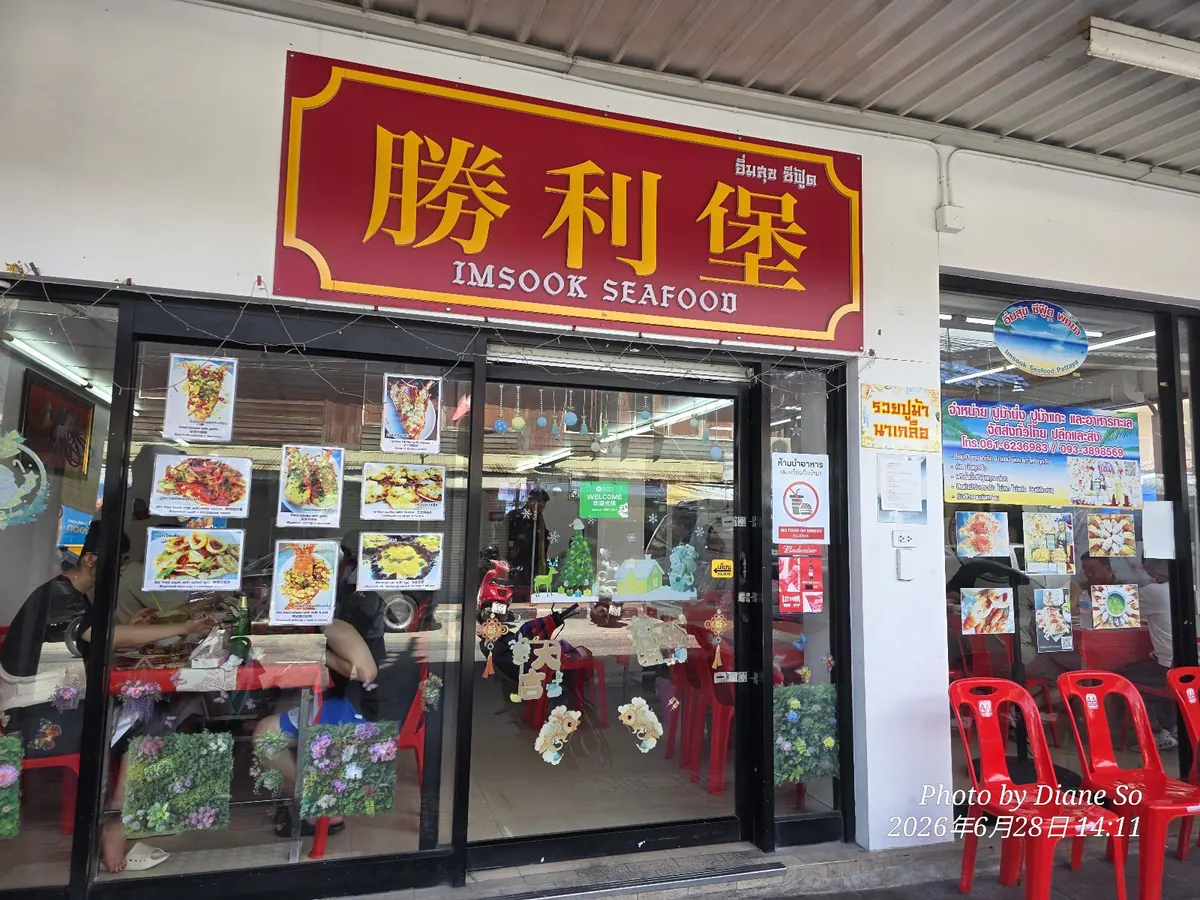
hidden-gems
Lan Pho Na Kluea Market
Buy your seafood at the market, then pay someone at the back to cook it.
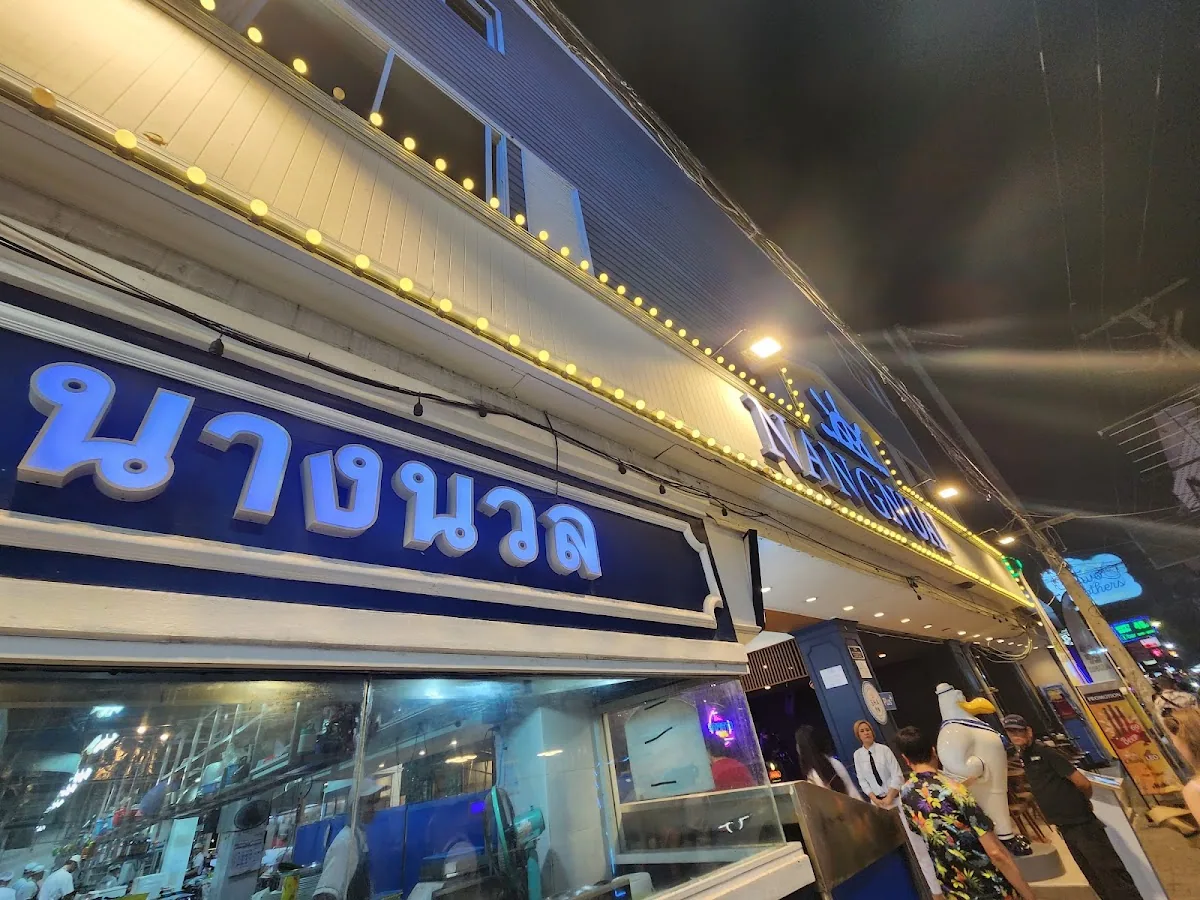
restaurants
Nang Nual
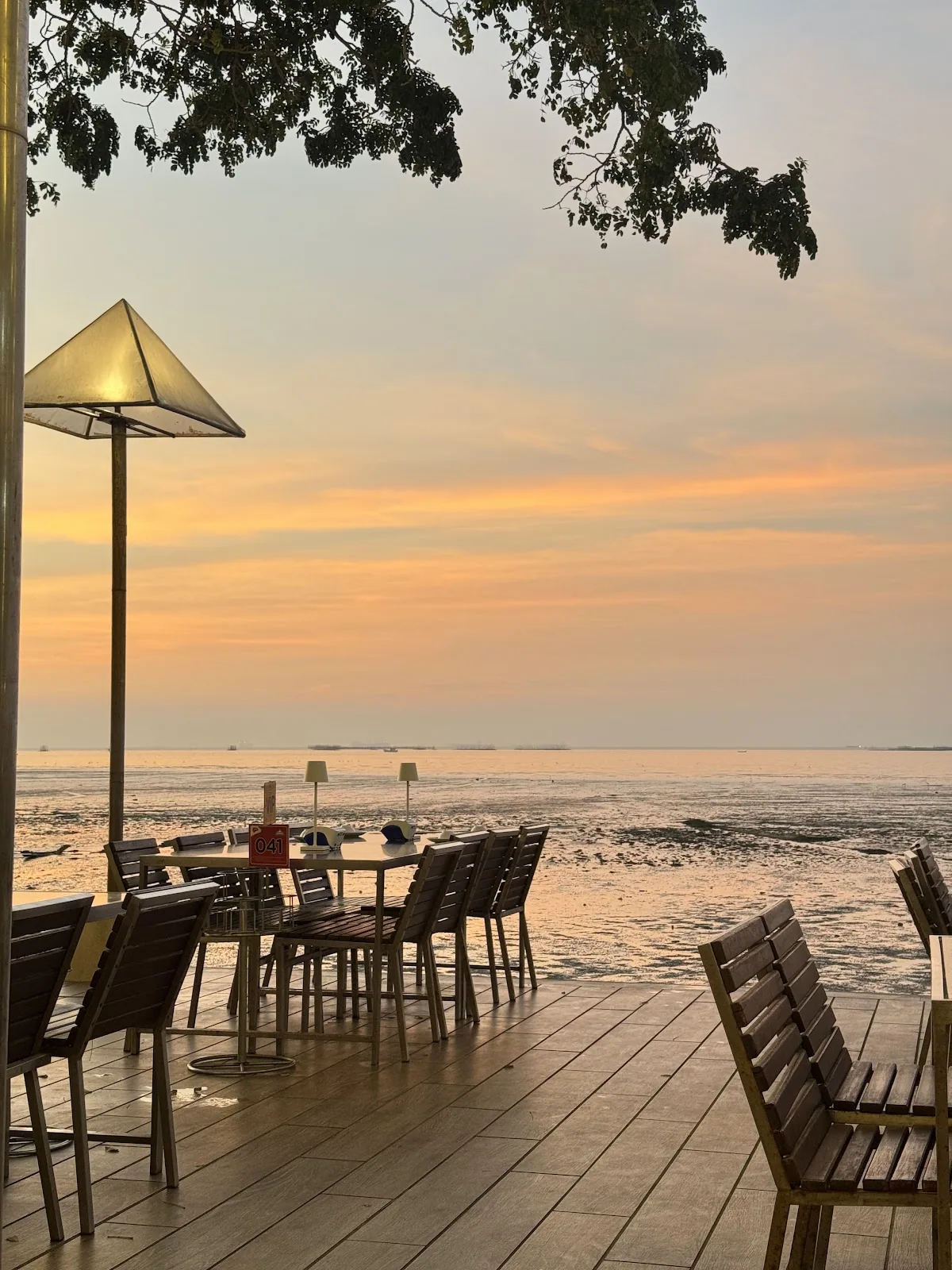
A deck over the water at the end of Walking Street.
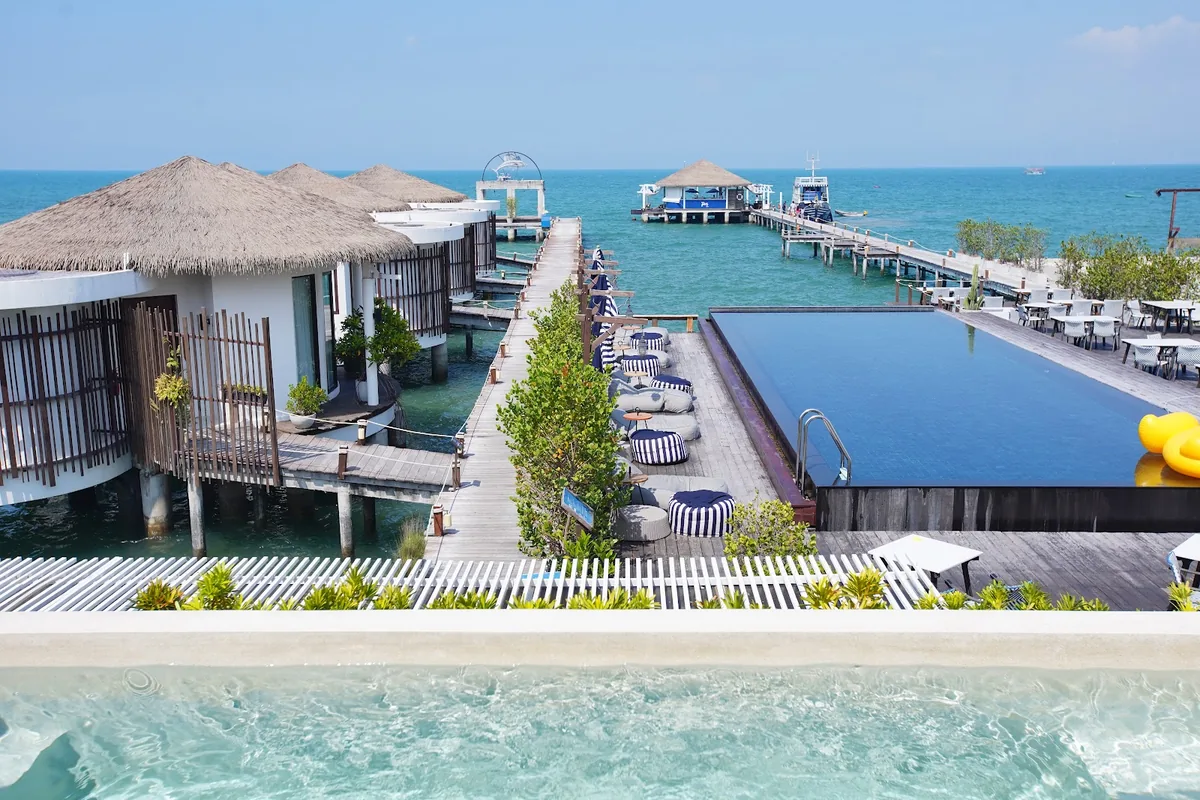
hotels
Kept Bang Saray Hotel
A jetty over the water in a working fishing village, half an hour south.
restaurants
Moom Aroi Na Kluea
The seafood restaurant everyone means when they say seafood restaurant.
Related guides
- Beaches & IslandsBeach clubs in Pattaya: what they actually areGenuine Pattaya beach clubs are day-use lounging venues with a fee or minimum spend, distinct from hotel pools and beachfront restaurants, and concentrated on Jomtien and Pratumnak rather than central Pattaya.
- Food & DrinkWhere locals actually eat in PattayaMarkets, small kitchens and one seafood ritual that has nothing to do with the tourist strip. What Thai residents eat and where.
- ItinerariesPattaya in 48 hoursA first visit, planned around the two things this coast does better than anywhere near it: the water offshore and the light at sunset.
Browse every topic in our Pattaya guides, or ask the Pattaya AI Guide about anything in this guide.