

Guide
Walking Street: what it is, where it came from, and how to do it
Pattaya's most famous half-kilometre, treated as the landmark it is. Origins, seafood, live music, the scams to know about, and an honest note on what this guide does not cover.
9 min readUpdated
Good to know
- Opening hours
- The road closes to traffic in the early evening, but the street only becomes busy from around 8pm or 9pm.
- Best time
- Peak time is from 10pm to midnight. For a calmer first look, visit between Monday and Wednesday when it is less crowded.
- Getting there
- Baht buses run down Beach Road to the street's entrance. Ride-hailing services will drop you at either end as the road is closed to vehicles.
- What to bring
- Take your budget in cash and leave cards in the hotel. It is also wise to keep enough cash for transport home separately.
Walking Street is the most photographed half-kilometre in Pattaya and the thing most people picture when they hear the city's name. It is also, for a lot of visitors, the part of the trip they are least sure about.
This guide treats it as what it is: a landmark. A pedestrianised strip of neon, live music, seafood restaurants and street performers that several million people walk down every year, most of them out of curiosity rather than intent.
What it actually is
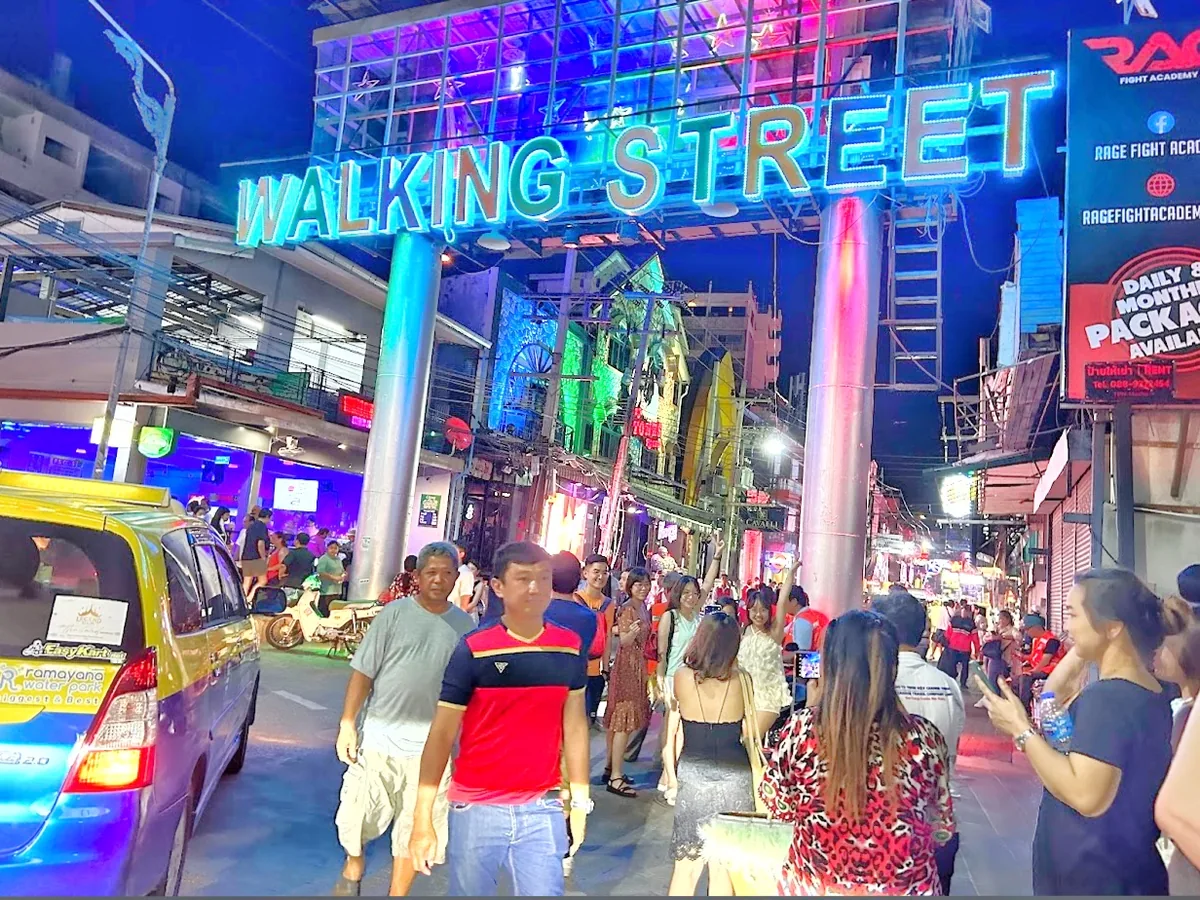
Officially it is Thanon Hat Pattaya Tai, a name nobody uses. It runs from the arch at the Beach Road intersection down to Bali Hai Pier at the southern tip of the bay.
During the day it is an ordinary road, largely shuttered and unremarkable, and visitors who wander down at two in the afternoon wonder what the fuss is about. In the early evening barriers go up, vehicles are excluded, and the whole thing changes character entirely.
By nine or ten it is a dense, loud, brightly lit procession: bars with open fronts, clubs, restaurants with tanks out front, live bands audible from the street, food carts, and a permanent slow-moving crowd of people looking at each other looking at it.
Whatever else it is, it is a spectacle.
Where it came from
The origins are more prosaic than the reputation suggests.
The road was built as part of Pattaya's fishing industry, connecting the southern end of the bay to the pier. It was infrastructure, not entertainment.
What changed it was the American military presence in Thailand during the Vietnam War era. From the 1960s onward, servicemen from U-Tapao and other bases came to Pattaya on leave, and an economy grew along this stretch to serve them: beer bars, guesthouses, music lounges and restaurants. The area was known then as The Strip.
The Americans left in the mid-1970s, and the strip did not. European package tourists arrived through the late 1970s and 1980s, discotheques and cabaret were added, and the street kept adapting to whoever turned up next.
The name Walking Street dates from the 1990s. After a series of accidents involving vehicles and pedestrians, the city council closed the road to traffic in the evenings. The pedestrianisation is the reason it became what it is: once you remove the cars from a narrow street with venues on both sides, the street itself becomes the venue.
That history explains the geography. The reason Pattaya's most famous street ends at a working ferry pier is that the pier was there first.
The seafood restaurants
The thing most visitors do not expect, and one of the better reasons to come.
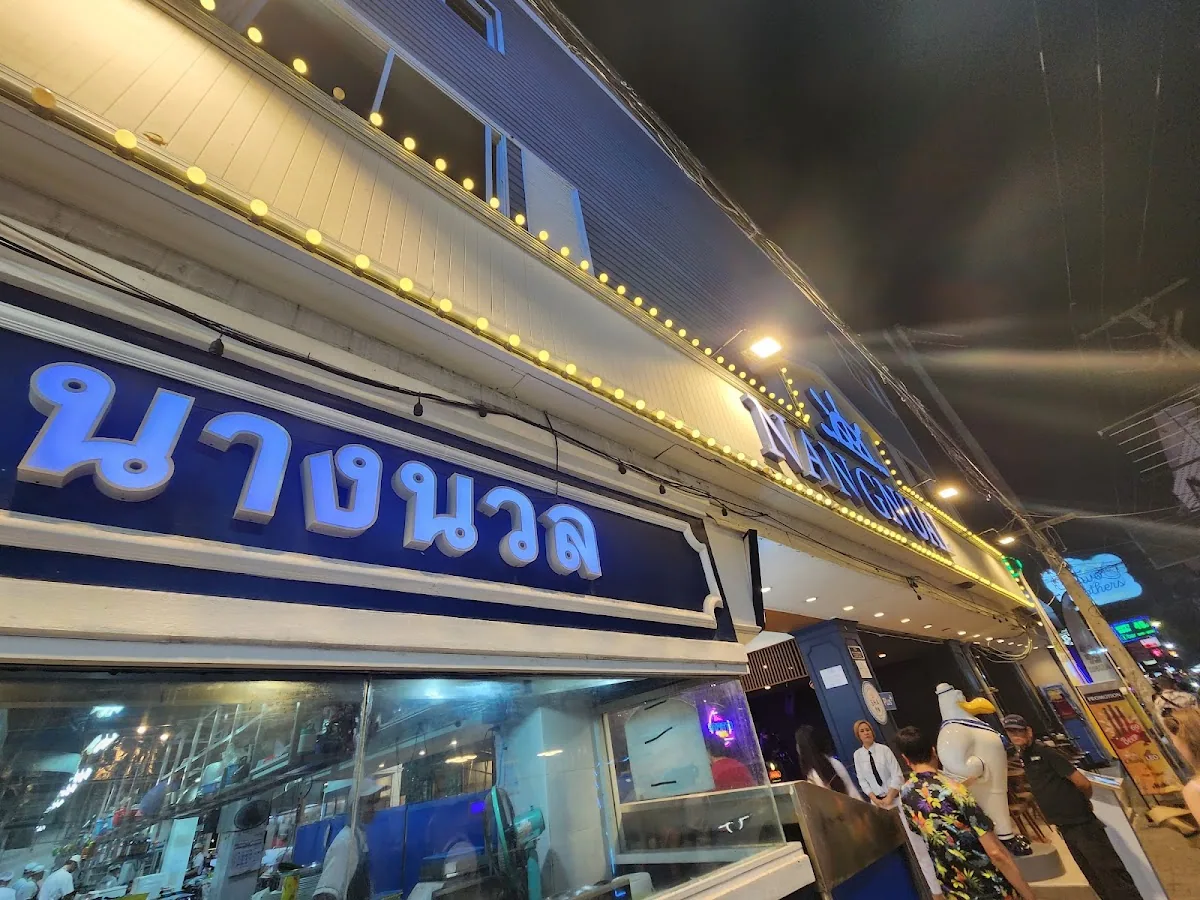
The southern end of the street has a run of large seafood restaurants with terraces built out over the water, live tanks at the front, and views back along the bay. Nang Nual is the best known, recently renovated, with a deck above the sea and a jungle curry and grilled seafood worth ordering.
These are tourist-priced and make no secret of it. You are paying for the position, and the position is genuinely good: a table over the water at the end of Walking Street, looking north up the coast with the lights coming on, is a decent way to start an evening.
Eat here early, around seven or eight, before the street fills.
Live music
Pattaya has a strong live music scene and a meaningful part of it is on or just off this street.
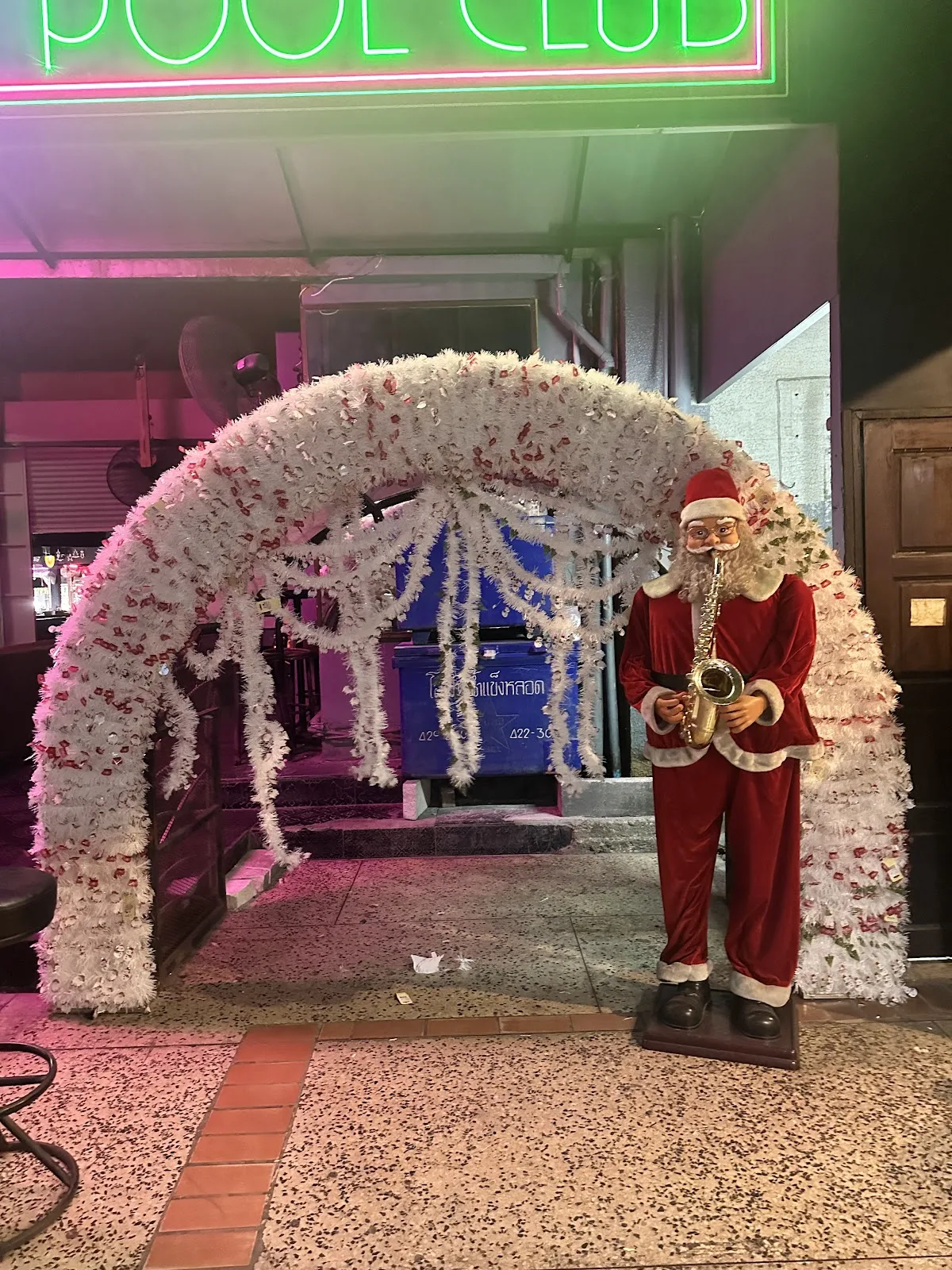
Hot Tuna is the one musicians talk about. Rock and metal covers played by bands that can genuinely play, to a crowd that came specifically for it. The room is large and it gets loud. Drinks are priced for the location rather than the neighbourhood, which is the common complaint, but the musicianship is the best on the street.
The Stones House runs Thai bands to a mostly Thai crowd, working through Thai pop, rock and party standards, and the energy is completely different from the tourist-facing venues. Worth a look precisely because it is not aimed at you.
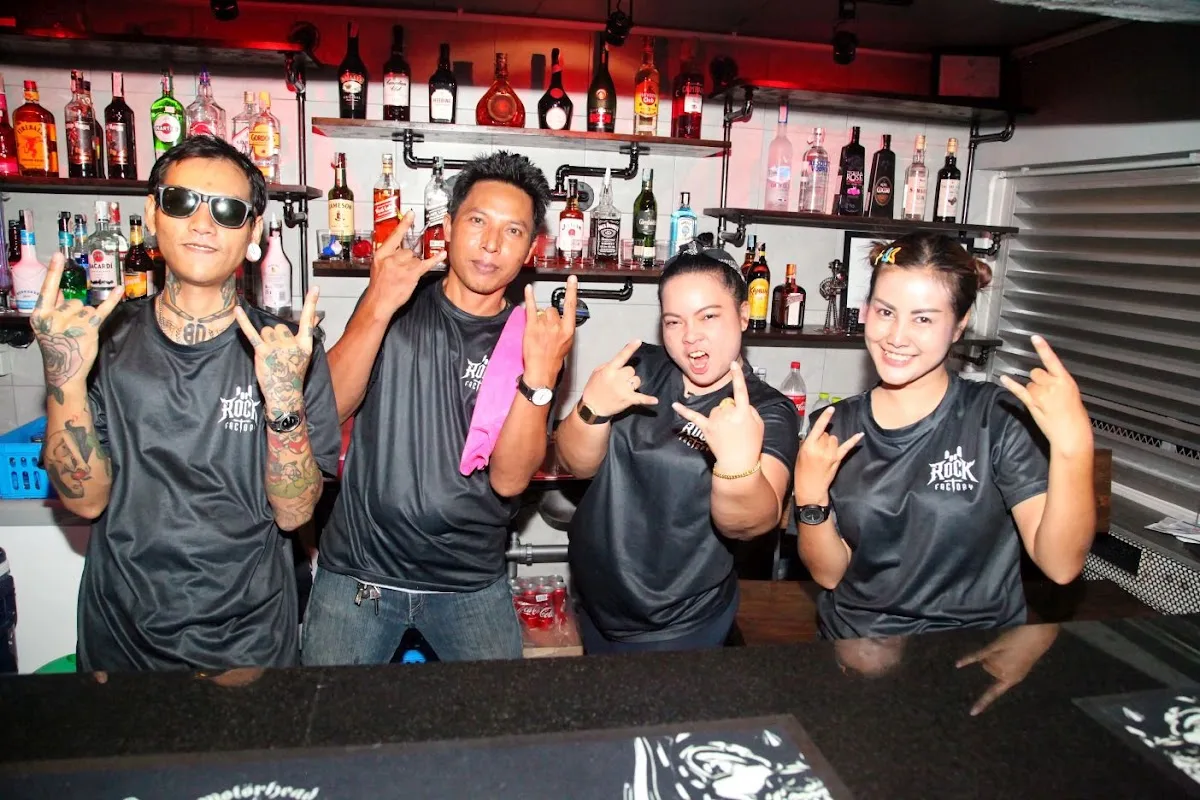
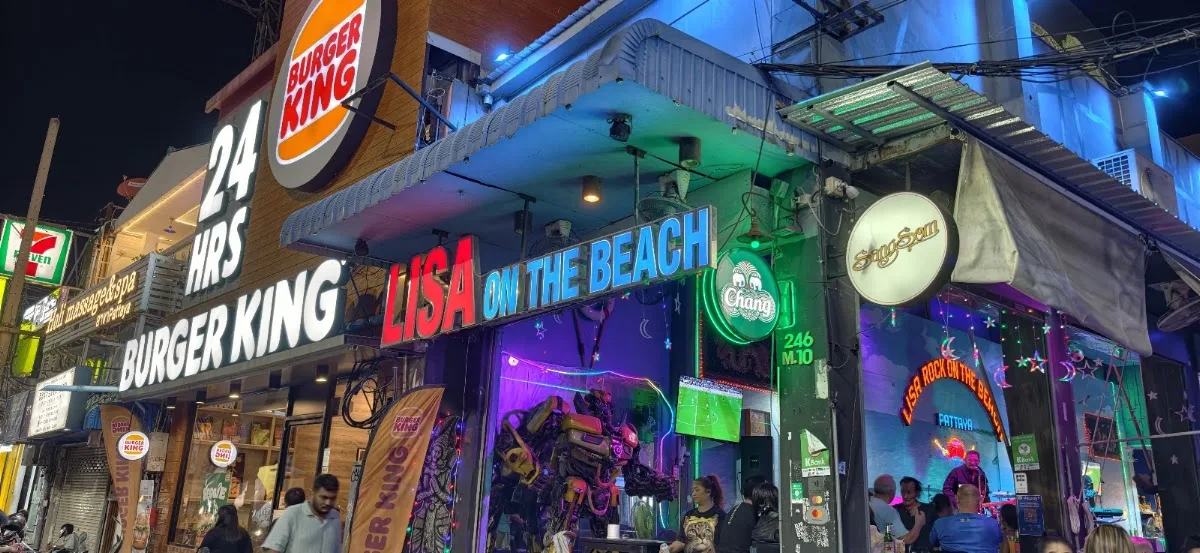
Just off the street and within easy reach, Rock Factory on Soi Buakhao has the most consistent band roster in the city, and Lisa on the Beach on Beach Road runs multiple rock acts a night in an air-conditioned room facing the sea.
If live music is what you want, those last two are better rooms than anything on Walking Street itself, and you can walk to either.
Clubs
The large nightclubs are clustered along the middle and southern sections, and they are what keeps the street busy after midnight.
They are big, loud, expensive by Thai standards, and much like large clubs anywhere: international DJs on the bigger nights, multiple floors, and a door policy that varies with how busy the room is. Peak is roughly midnight to three.
Entry arrangements change and some nights carry a cover charge that includes a drink. Ask at the door rather than assuming.
The street performers and the spectacle
An underrated part of the experience and free.
Fire dancers, musicians, dancers on raised platforms, people with animals, elaborate costumes, and a general competition for attention along the whole length. Some of it is venue promotion, some of it is independent, and most of it is genuinely entertaining.
Two etiquette points. If you photograph a performer, tip them. And be firm but polite about anyone with an animal, because animal welfare on tourist strips is frequently poor and paying for a photograph funds it.
The part this guide does not cover
Walking Street is, among other things, one of the best-known red-light districts in the world, and a significant proportion of the venues along it are adult entertainment.
That is a plain fact about the street and it would be strange to write about it without saying so. It is also not what this site covers. Our listings do not include adult entertainment venues, and this guide does not review, rate or direct you to them.
If that is what you are looking for, it is covered in detail elsewhere. PattayaUncut.com handles that side of the city properly.
What is worth saying here is the practical part: the adult venues are concentrated, obvious and easy to walk past, and nobody is obliged to enter anywhere. Walking the street end to end as a piece of sightseeing is entirely normal and an enormous number of visitors, including couples and groups, do exactly that.
Scams and the money traps
Most trouble on Walking Street is avoidable and follows a small number of patterns.
The unpriced menu. Any venue that will not show you a price list before you sit down is a venue to walk past. Reputable places display prices openly.
Bill padding. Check the bill before paying, itemised. This is not paranoia; it is normal practice here and nobody is offended by it. Be aware that VAT and service charge are added at some venues and not others, rarely flagged in advance.
The tout with a special offer. Anyone approaching you in the street with an unusually good deal is being paid to bring you somewhere. That is not automatically a problem, but the deal is rarely what was described.
Anything free. Free tickets, free entry, free show. The thing being given away is not the product.
Card machines. Where possible, pay cash, and never let a card leave your sight.
Drink spiking, while uncommon, is not unknown anywhere with this much alcohol and this many strangers. Watch your own drink, as you would at home.
Set your budget before you start drinking. This is the single most useful piece of advice about Walking Street, and the one people ignore. Decide what the night costs, take that in cash, and leave the cards in the hotel.
Staying safe and sensible
Violent crime against tourists here is rare and the street is heavily policed, with a visible presence and CCTV throughout. The realistic risks are financial and self-inflicted.
Keep enough cash for transport home, separately from your spending money.
Drugs. Thai penalties are severe and enforcement is real. This is not a place to test that.
Do not ride a scooter after drinking. Every insurance policy excludes it and it is the most common serious accident involving visitors here.
Be polite when declining. A smile and a no works. Rudeness escalates situations that did not need to escalate.
Getting home. Ride-hailing works and fixes the price in advance. Baht buses run the main routes late. A driver who agrees to take you somewhere specific is quoting a private hire, not a fare.
Practical notes
Timing. Barriers go up in the early evening, but the street does not really start until eight or nine. Ten to midnight is peak. Friday and Saturday are busiest; Monday to Wednesday is considerably calmer and, for a first look, arguably better.
Duration. Walking it end to end takes twenty minutes at a reasonable pace. Most people spend two to four hours.
Getting there. Baht buses run down Beach Road to the southern end. Ride-hailing drops at either end rather than on the street itself, since it is closed to vehicles.
Photography. Fine for the street, the lights and the general scene. Ask before photographing individuals, and do not photograph inside venues without permission.
Dress. No code, but beachwear is poor form anywhere in Thailand once you are off the sand.
Bali Hai Pier is at the southern end, which means the same walk in daylight takes you to the ferries for Koh Larn. The contrast between the street at nine in the morning and the street at nine at night is genuinely striking, and worth seeing both ways.
Is it worth going?
As a landmark, yes, once. It is a genuinely unusual piece of urban theatre and it is unlike anywhere else in Thailand.
As a night out, it depends entirely on what you want. If you want live music, there are better rooms two streets away. If you want a considered dinner, there are much better kitchens inland. If you want a drink with a view, the rooftops and the beach bars do it better and quieter.
But if you want to see the thing Pattaya is famous for, walk it once, early in the evening, eat seafood at the end of it, and make your own mind up. That is what most visitors do, and it is the right approach.
Common questions
- What is Walking Street and where is it located?
- Walking Street is a half-kilometre pedestrianised strip in Pattaya, officially named Thanon Hat Pattaya Tai. It runs from the arch at the Beach Road intersection down to Bali Hai Pier at the southern tip of the bay.
- What kind of entertainment can I find on Walking Street?
- Walking Street offers a variety of entertainment including bars with open fronts, clubs, seafood restaurants, live music venues, and street performers such as fire dancers and musicians. It transforms from an ordinary road during the day to a vibrant spectacle in the evening.
- Are there any common scams or money traps to be aware of on Walking Street?
- Common issues include unpriced menus, bill padding, touts offering special deals, and anything advertised as "free" where the giveaway is not the real product. It is advised to pay cash, check bills, and watch your own drink.
Places in this guide
restaurants
Nang Nual
A deck over the water at the end of Walking Street.
bars
Hot Tuna Bar
Serious rock covers, played loud, by bands that can actually play.
bars
Rock Factory
Live rock every night, a rotating band roster, and a kitchen that holds up.
bars
Lisa on the Beach
Two rock bands a night, air conditioned, with the beach across the road.
beaches
Tawaen Beach, Koh Larn
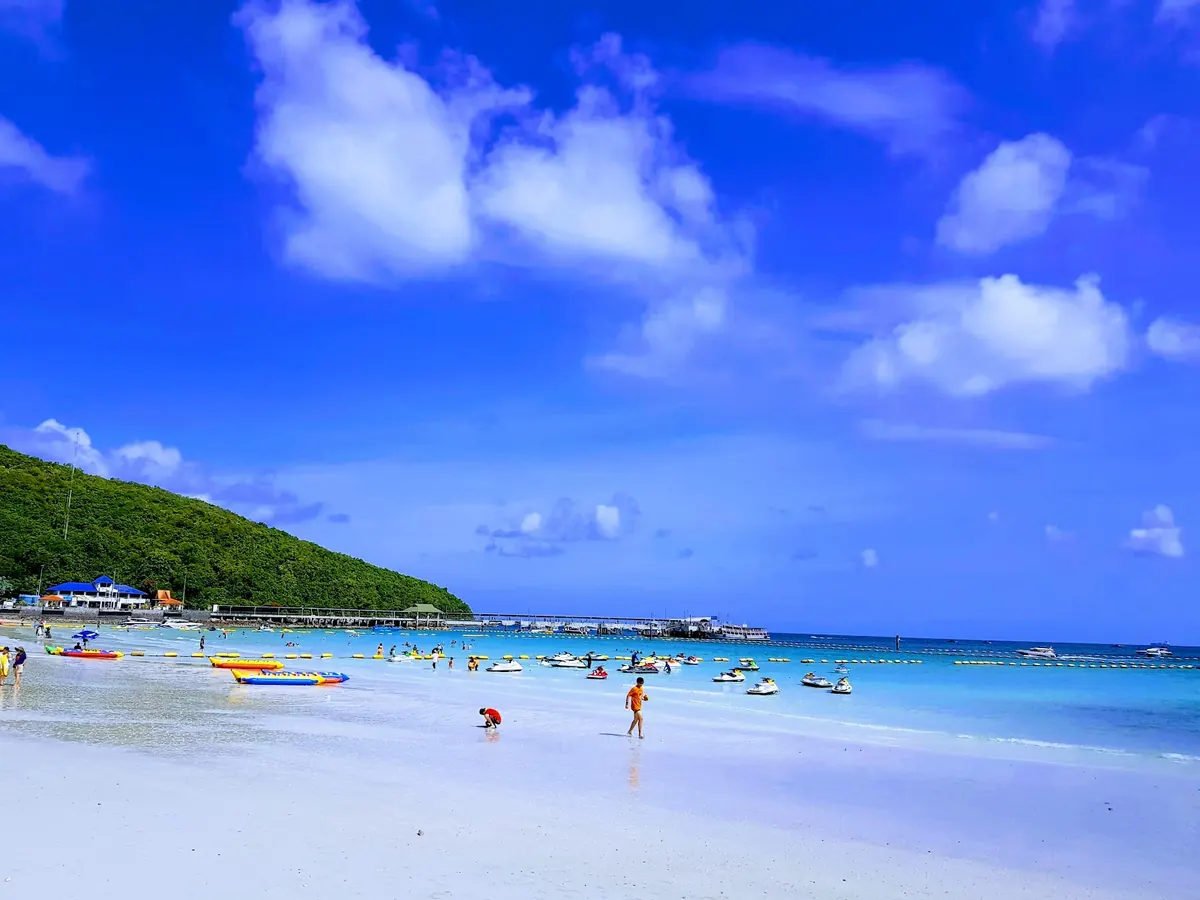
The turquoise water Pattaya is famous for, 45 minutes offshore.
bars
Horizon Rooftop
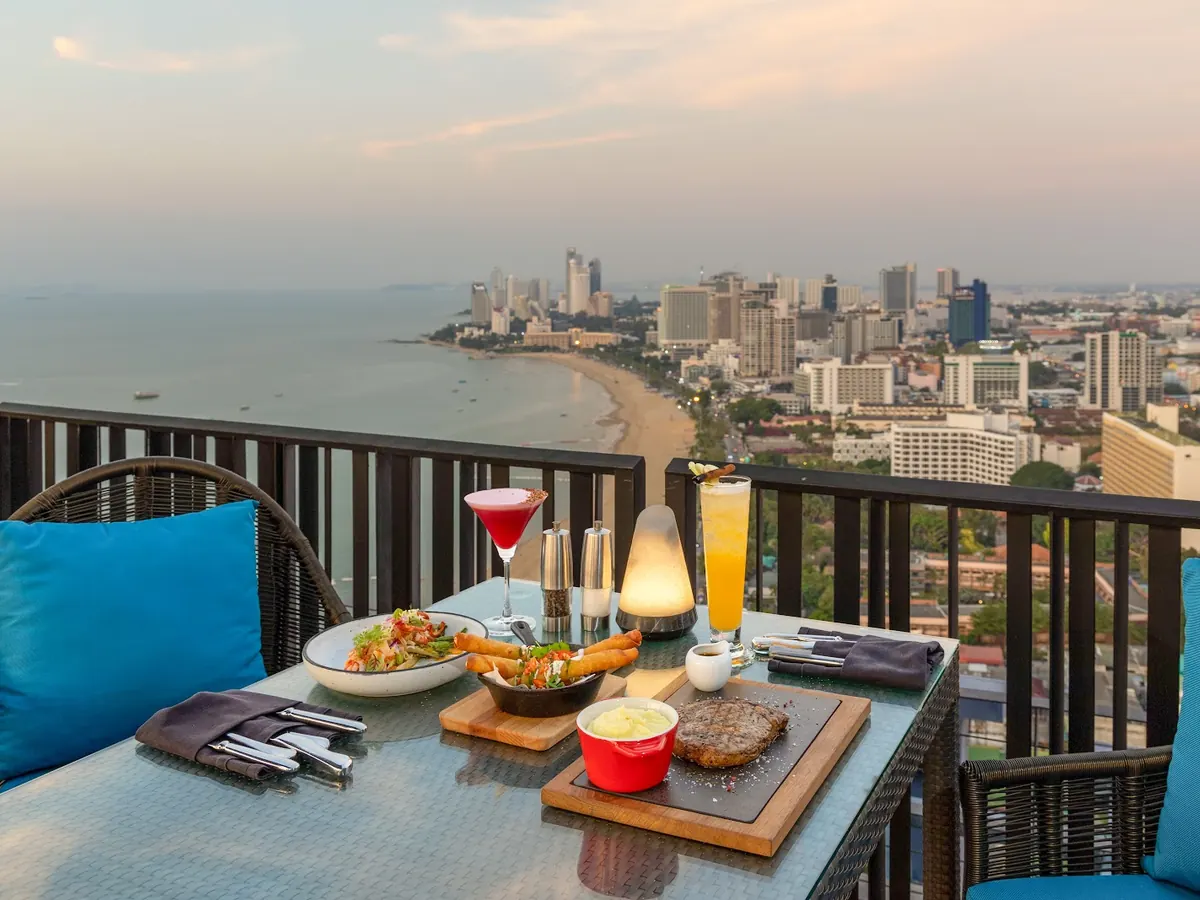
The view that makes Pattaya make sense.
bars
Moon Whale
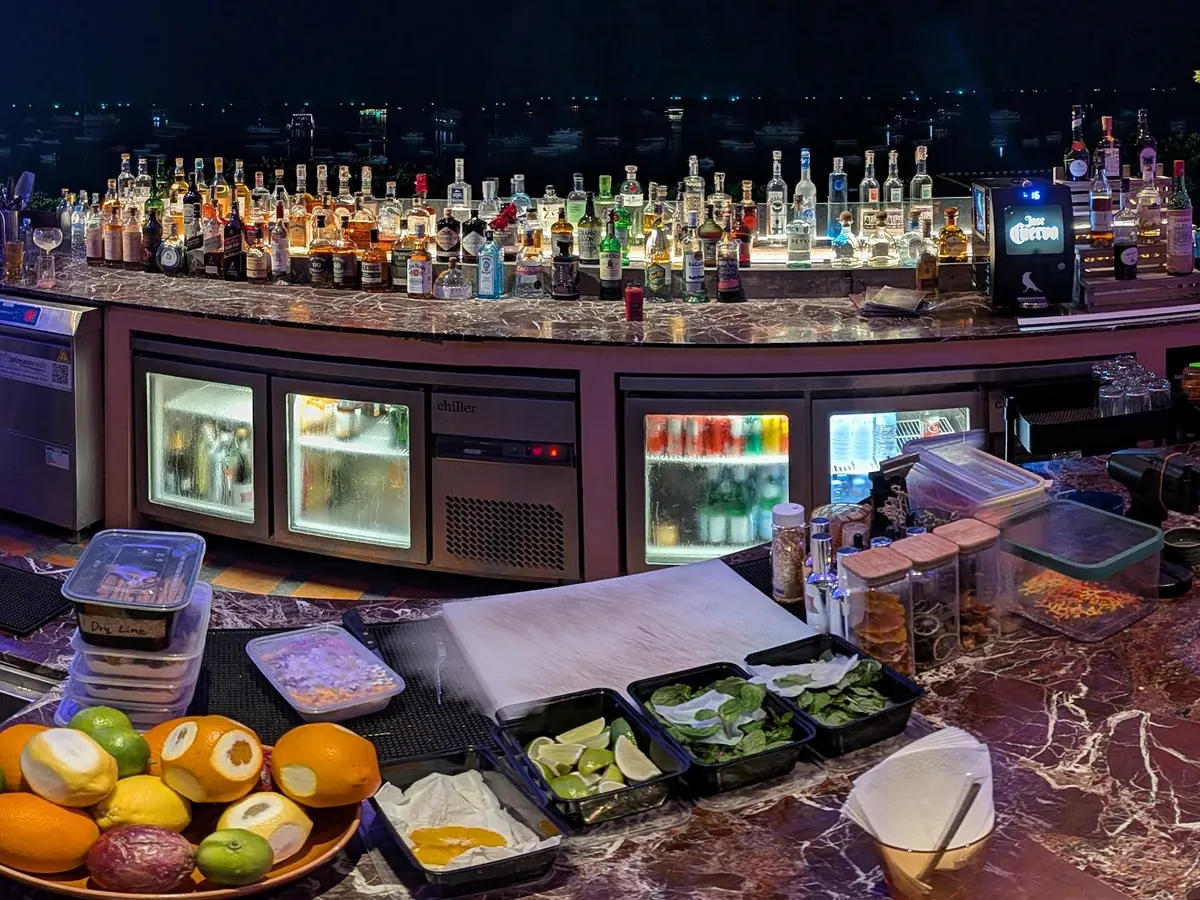
Beach Road cocktails without the Walking Street volume.
Related guides
- Nightlife & MusicLive music and a night out that isn't Walking StreetPattaya has a genuinely good live music scene, several rooftops, and a set of bars where the point is the room rather than the reputation.
- Things to DoWhere to watch the sun go down in PattayaThe bay faces west, which means the whole city has a view. These are the places that make something of it.
- Trip PlanningPattaya for solo travellersOne of the easiest cities in Asia to arrive in alone. Where to stay, how to meet people without it being a drinking session, and eating alone without ceremony.
Browse every topic in our Pattaya guides, or ask the Pattaya AI Guide about anything in this guide.