

Guide
Getting around Pattaya
Baht buses, ride-hailing, scooters and when to just walk. What each one is actually for, and the pricing trap that catches almost everyone.
8 min readUpdated
Good to know
- Getting around
- Baht buses run fixed loops on Beach Road, Second Road and out to Jomtien; ride-hailing apps work well for anything off the main loops or east of Sukhumvit. Motorbike taxis are fast and cheap for short hops, but are the least safe option.
- Typical cost
- A baht bus running its normal route is cheap and the fare is fixed; engaging the driver for a specific destination makes it a private hire at a negotiated, much higher rate. Ride-hailing prices are fixed and shown before booking.
- Good to know
- Riding a motorbike legally requires a licence covering motorbikes, usually an International Driving Permit with the motorbike category. Most travel insurance excludes claims from riding without the appropriate licence or a helmet.
- Getting there
- Suvarnabhumi Airport is roughly two hours by road, Don Mueang is an hour further north, and U-Tapao is about forty-five minutes southeast of Pattaya. Scheduled buses run from Suvarnabhumi and Bangkok's Ekkamai terminal.
Pattaya is long, thin and built along a bay, and almost everything sits on one of three parallel roads. Once that geography clicks, moving around the city becomes simple. Until it does, it is confusing in a way that costs people money.
The shape of the city
Beach Road runs along the seafront for the length of the bay, one way, heading south.
Second Road runs parallel one block inland, one way, heading north.
Third Road runs parallel again, further inland, in both directions.
Sukhumvit is the main highway, further inland still, running north to south and connecting Pattaya to Bangkok and to the coast further south. East of Sukhumvit is the residential area locals call the Darkside.
Almost every destination in central Pattaya can be described by which of those roads it sits on and roughly how far along. Once you can place things that way, transport makes sense.
Baht buses, and the one thing to understand
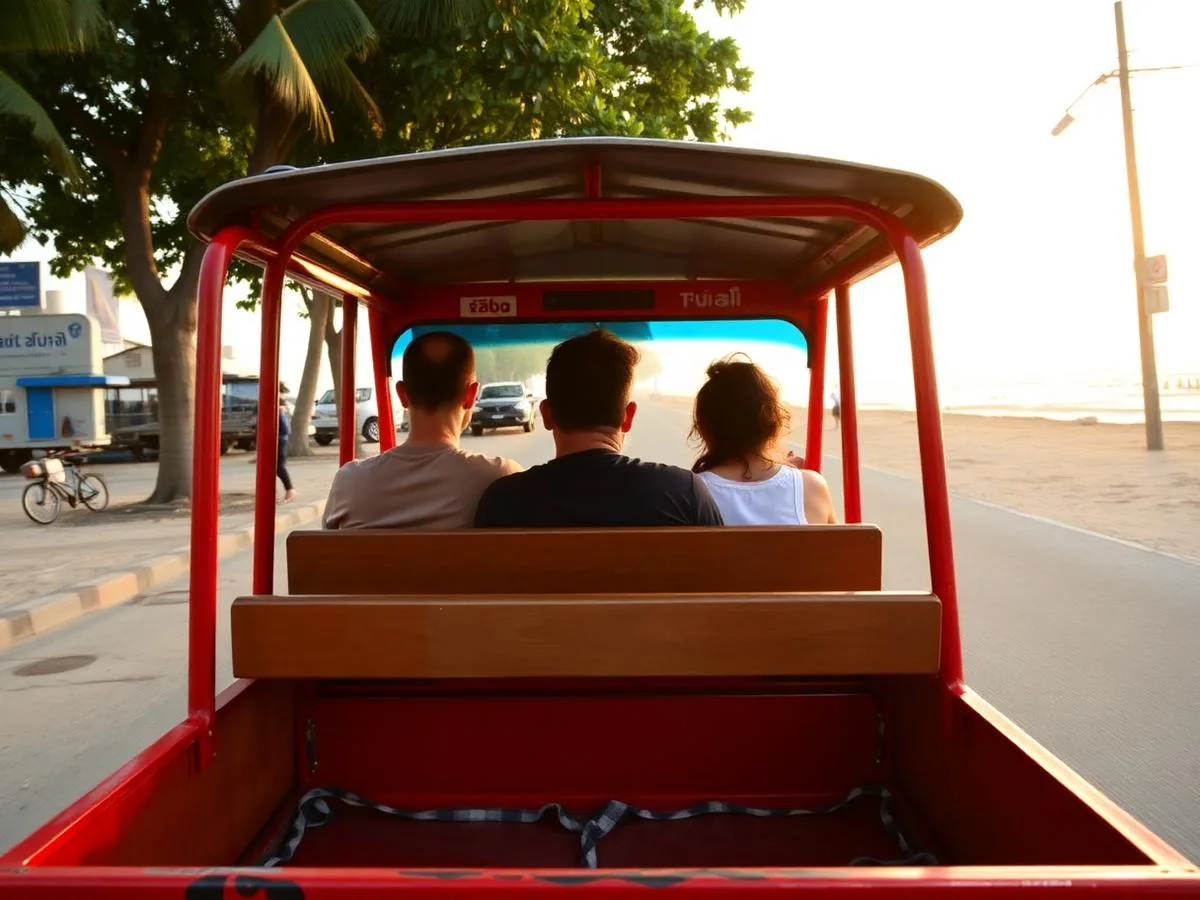
The blue pickup trucks with bench seats in the back are called songthaews, universally known here as baht buses, and they are the local transport backbone.
They run fixed loops: down Beach Road, up Second Road, out to Jomtien, and along several other established routes. You flag one down anywhere along the route, climb into the back, sit down, and press the buzzer on the ceiling when you want to get out. You then walk to the driver's window and pay.
Here is the part that catches almost everyone. A baht bus running its normal route is cheap and the fare is fixed. The same vehicle, if you engage the driver through the window and ask to be taken somewhere specific, becomes a private hire at a negotiated rate that can be many times higher.
The distinction is entirely about how you get in. Get in the back without speaking to anyone and you are a passenger on a bus. Lean into the cab and name a destination and you have chartered a taxi.
This is not a scam. It is two different services using the same vehicle. But nobody explains it, and a great many visitors spend their entire trip paying private-hire prices for journeys that cost a fraction of that.
Practical points. Have small notes ready. Baht buses run late into the night on the main routes. They do not run useful loops east of Sukhumvit. And they are entirely open at the back, which is pleasant in the evening and worth thinking about with small children.
Ride-hailing
Ride-hailing apps work well across Pattaya and are the single easiest option for a visitor.
The advantages are real: the price is fixed and shown before you book, there is no negotiation, there is a record of the journey, and the driver navigates to a pin rather than an address, which matters enormously here because Thai addressing is not intuitive.
Use it for anything off the main loops, anything east of Sukhumvit, airport runs, and getting home after dark.
Two caveats. Availability thins and prices rise sharply in heavy rain, which is exactly when you want a car. And coverage becomes patchy once you are well outside the city, so getting a car back from a rural restaurant or an inland golf course is not something to leave to chance.
Motorbike taxis
Riders in numbered vests, usually clustered at the mouth of a soi, offering short hops on the back of a scooter.
They are fast, cheap and by far the most efficient way to cover a kilometre or two in traffic. They are also the least safe option on this list, and helmets for passengers are inconsistently offered.
Fares are negotiated rather than metered. Agree the price before getting on.
Scooters
How most residents get around, and the practical answer for anyone staying on the east side or planning to explore the region.
Rental is easy to the point of being careless: many shops will hand over a bike in exchange for a passport and a few minutes. That ease is the problem, because road accidents are the leading cause of serious injury among foreign visitors in Thailand and the majority involve motorbikes.
Three things worth being blunt about.
Licensing. Riding a motorbike legally requires a licence covering motorbikes, which for a visitor generally means an International Driving Permit with the motorbike category alongside a valid home licence. A car licence does not cover a motorbike. Rental shops will rent to you regardless; their willingness is not a statement about your legal position.
Insurance. This matters more than the fine. Most travel and health insurance policies exclude claims arising from riding without the appropriate licence, and many exclude riding without a helmet. An uninsured hospital stay after a serious accident is a life-altering bill. Read your policy wording, not the summary.
Conditions. Helmets are legally required and routinely checked at police stops. Sand on bends near the beach and oil lifted by the first rain after a dry spell put more riders down than traffic does. Night riding is materially more dangerous.
If you are not already a confident motorcyclist at home, Pattaya is not where to become one.
If you do rent: photograph and video the entire bike from every angle before riding away, slowly, in front of the shop. This prevents the most common dispute in Thai tourist areas, where existing damage is attributed to the renter on return. And do not leave your passport as a deposit; offer cash or a photocopy instead.
Cars
Sensible if you are staying on the east side, travelling with family, or planning day trips.
Traffic is manageable by Bangkok standards. Parking is generally easy outside the beachfront strip, and both Terminal 21 and Central Pattaya have large car parks. Use an established rental company and read what the insurance excess actually is.
A car opens up the parts of the region that are genuinely worth seeing: the golf courses inland, the coastline south toward Sattahip, the restaurants around Lake Mabprachan, the clifftop places past Jomtien.
Walking
Underrated along the beachfront, unpleasant almost everywhere else.
Beach Road, the Jomtien seafront and the Naklua end are all genuinely walkable and pleasant in the early morning or evening. Elsewhere, pavements are inconsistent, crossings are rare, motorbikes use the footpath, and the heat does the rest.
Walk the seafront. Ride everything else.
Getting to the island
Ferries to Koh Larn leave from Bali Hai Pier at the southern end of Beach Road on a fixed timetable through the day. Buy the ticket at the pier rather than from an agent. Speedboats leave from the same area, cost considerably more, and cut the crossing to around a quarter of the time.
Confirm the last ferry back when you buy your outbound ticket, and leave more margin than feels necessary, because the standard boat back is slower than the outbound one.
Getting to and from the airports
Suvarnabhumi is Bangkok's main international airport and, conveniently, sits on the Pattaya side of the city, so no crossing is needed. Roughly two hours by road on motorway most of the way.
Don Mueang handles most low-cost carriers and sits north of Bangkok, on the wrong side. Add an hour and expect a more expensive transfer.
U-Tapao, southeast of Pattaya near Sattahip, is by far the easiest arrival at around forty-five minutes, and worth routing through if your flights allow.
A scheduled bus runs from Suvarnabhumi to a terminal in Pattaya, and buses run frequently from Bangkok's Ekkamai terminal, which is directly on the Skytrain. Both drop at a terminal rather than your hotel, so you will want onward transport.
A short list of practical habits
Save your destination as a map pin, not an address. Thai addressing confuses drivers as much as it confuses you.
Carry small notes. Baht bus drivers and motorbike taxis will struggle with a large one.
Get a local SIM at the airport. Data is cheap, coverage is excellent, and ride-hailing, maps and translation all depend on it.
Know where the hospital is. Bangkok Hospital Pattaya is on Sukhumvit at the northern end and runs around the clock. Save the number before you need it.
Allow more time for the return leg on any airport run. Traffic leaving Pattaya on a Sunday and arriving at the airport at peak both add up.
The short version
For most visitors on a one or two week trip, the combination of baht buses on the main loops and a ride-hailing app for everything else covers the entire city, costs very little, and removes every risk on this page.
That is genuinely the right answer, and the fact that it is also the boring one does not make it wrong.
Getting around at night
Worth its own note, because the calculus changes after dark.
Baht buses continue to run the main routes late, and are perfectly usable.
Ride-hailing is the better answer for anything off those routes, and removes any negotiation at a time of night when it is least welcome.
Motorbike taxis are common and fast, and this is when the risk is highest.
Walking along the beachfront is fine. Walking through unlit sois between roads is less so, and the hazard is traffic and uneven pavement rather than anything sinister.
Do not ride a scooter after drinking. It is the single most common serious accident involving foreign visitors here, and every insurance policy excludes it.
Traffic and timing
Pattaya's traffic is mild by Bangkok standards but has clear pinch points.
Sukhumvit backs up at rush hour, particularly around the main junctions.
Beach Road and Second Road slow considerably in high season evenings.
Friday and Sunday evenings are the worst on the Bangkok route, because half of Bangkok is travelling to or from this coast.
Thai public holidays, particularly Songkran in April and New Year, turn a two-hour drive into four or five and make transport chaotic across the city.
Accessibility
Honest assessment: Pattaya is difficult for anyone with mobility limitations.
Pavements are uneven, frequently obstructed and often have high kerbs with no dropped crossings. Baht buses require climbing into an open truck bed. Many buildings have steps at the entrance and older ones lack lifts.
Ride-hailing with a standard car is the most practical option, and the malls, larger hotels and the newer developments are generally accessible. The beachfront promenade at Jomtien is flatter and easier than most of central Pattaya.
Anyone with specific requirements should confirm arrangements directly with hotels rather than relying on listings.
Common questions
- What are the common modes of transport in Pattaya and their approximate costs?
- Baht buses (songthaews) on the fixed Beach Road and Second Road routes cost 10 to 20 THB per hop, which is the fare you get by climbing into the back without discussion. Motorbike taxis are negotiated rather than fixed, so agree the price before you set off. Grab and Bolt are priced dynamically by distance, time and demand, so we do not quote a figure: open the app for a live quote.Checked 4 August 2026. Prices in Thailand change without notice, treat this as a guide, not a quote.
- How much does scooter hire cost in Pattaya?
- Daily hire for a small automatic scooter sits in the low hundreds of baht, with weekly and monthly rates falling sharply, and most shops ask for a deposit or hold a document. Rates move with season, location and machine, so treat any figure as approximate and confirm at the counter.Checked 4 August 2026. Prices in Thailand change without notice, treat this as a guide, not a quote.
- How can I avoid being overcharged when using a songthaew (baht bus) in Pattaya?
- To pay the standard fare, board a songthaew by climbing into the back without speaking to the driver. Engaging the driver through the window to name a specific destination converts it to a private hire with a negotiated, higher rate.
- What are the legal requirements for renting and riding a scooter in Pattaya?
- Riding a scooter legally requires an International Driving Permit with a motorbike category and a valid home licence. A helmet is also legally required, and police routinely check for them.
Places in this guide

attractions
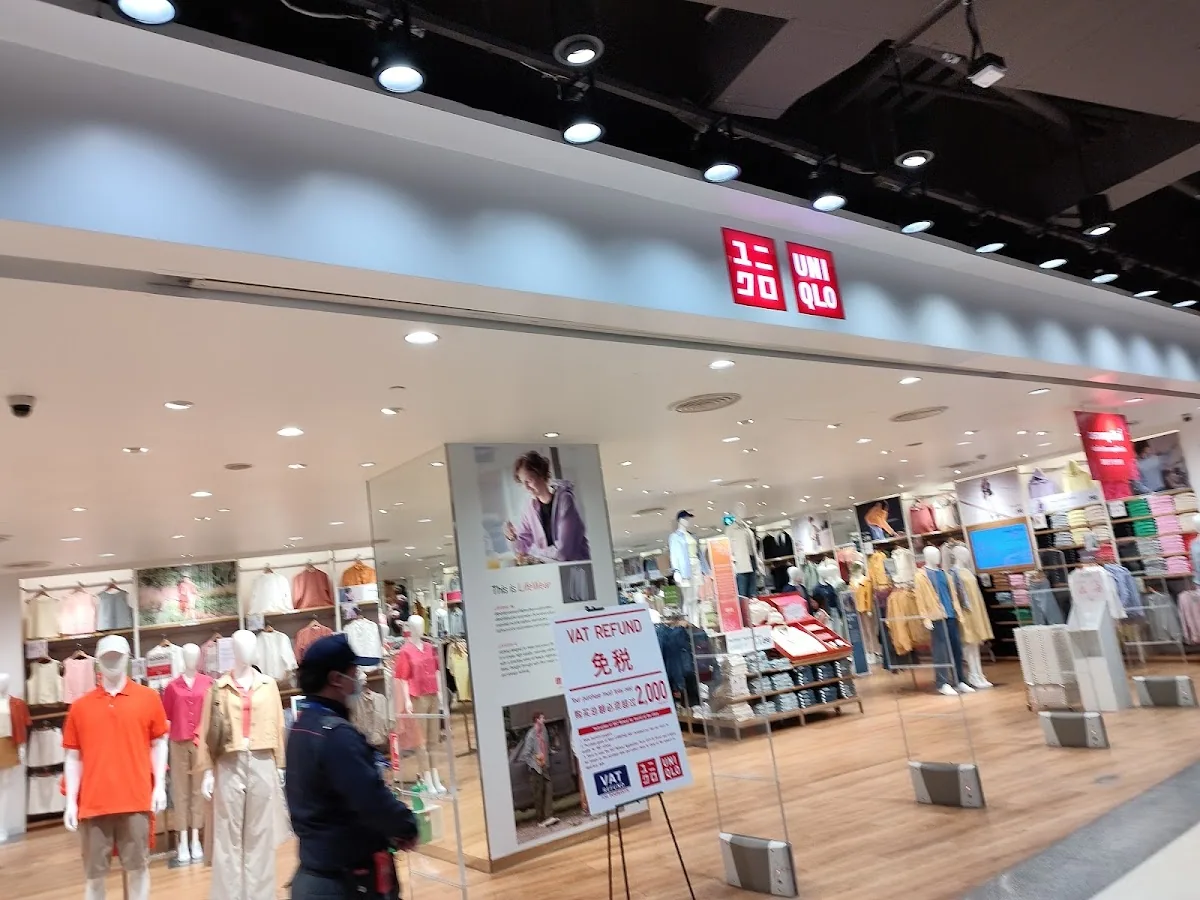
Terminal 21 Pattaya
A themed mall that is genuinely worth walking around, and the food court is the point.
attractions
Central Pattaya
The beachfront mall, with the bay on one side and Beach Road on the other.

beaches
Tawaen Beach, Koh Larn
The turquoise water Pattaya is famous for, 45 minutes offshore.
attractions
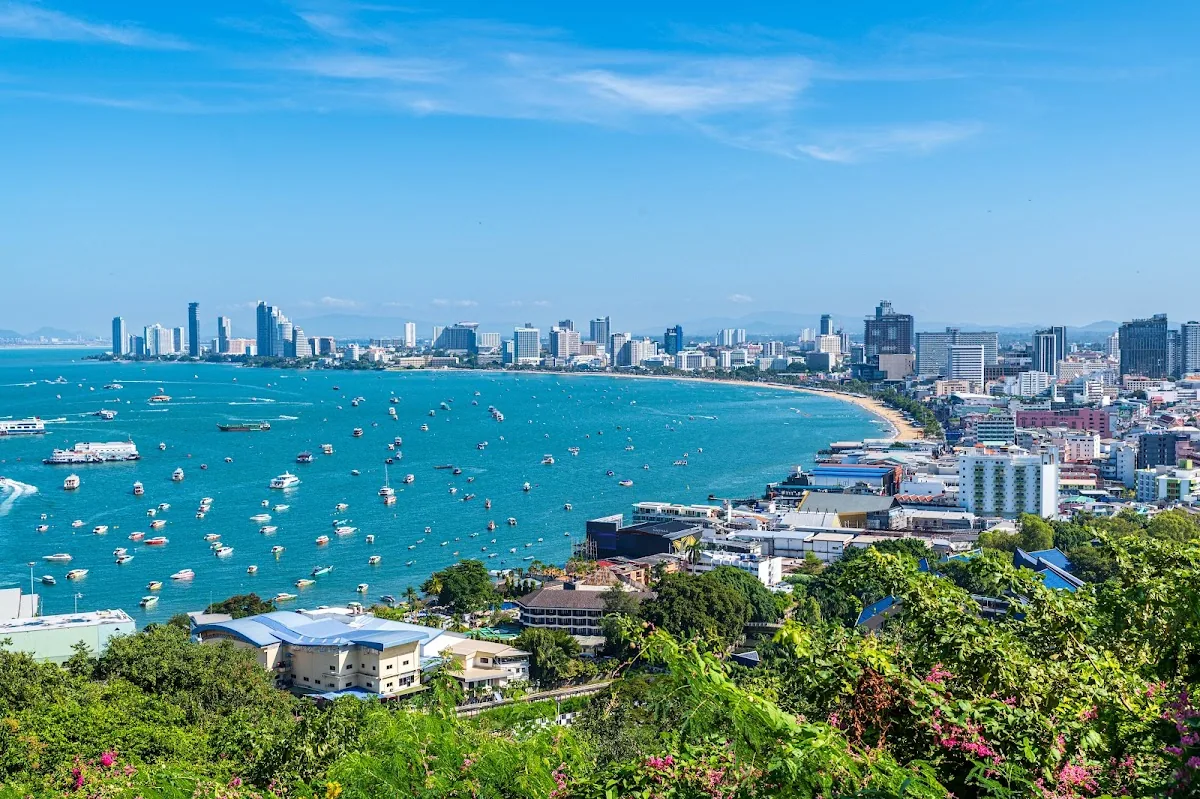
Phra Tamnak Viewpoint
The Pattaya City sign, the whole bay, and no entrance fee.
attractions
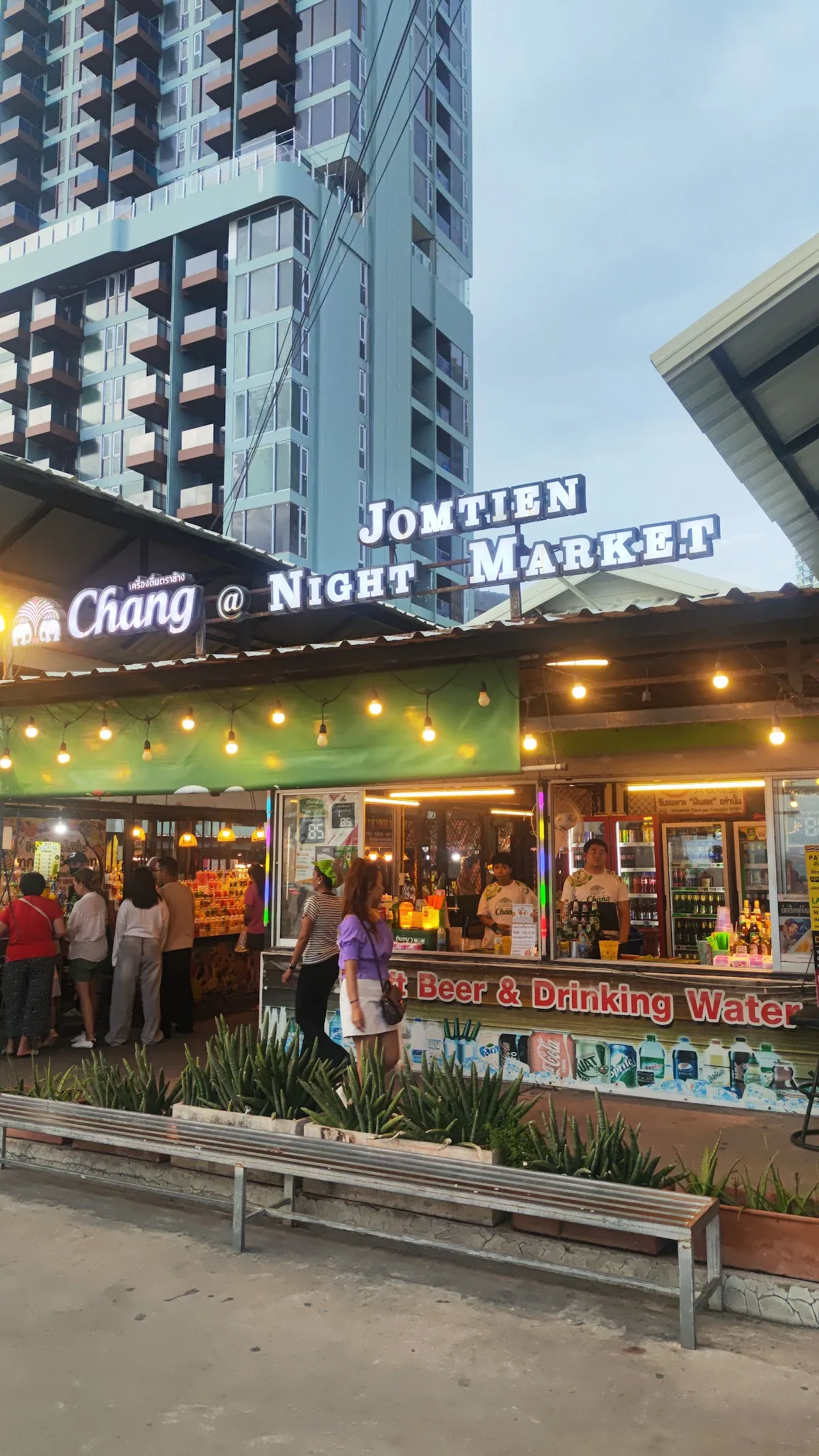
Jomtien Night Market
The night market to take a family to.
Related guides
- Living HereBuying a condo in Pattaya: what to check before you commitA practical checklist for foreign buyers. What documents matter, what the ongoing costs are, and the questions that separate a good purchase from an expensive lesson.
- Things to DoPattaya with kids: what actually worksPattaya has a reputation that puts families off and a genuinely good set of things to do with children. Here is which is which.
- Culture & HistorySongkran in Pattaya: the longest water fight in ThailandThai New Year runs longer here than anywhere else in the country, finishing with Wan Lai. What actually happens, how to survive it, and whether to come or avoid it.
Browse every topic in our Pattaya guides, or ask the Pattaya AI Guide about anything in this guide.