

Guide
Beach clubs in Pattaya: what they actually are
Genuine Pattaya beach clubs are day-use lounging venues with a fee or minimum spend, distinct from hotel pools and beachfront restaurants, and concentrated on Jomtien and Pratumnak rather than central Pattaya.
9 min readPublished
Good to know
- Good to know
- Many venues run on a minimum spend rather than a flat entry fee
- Best time
- Weekdays for quiet, book ahead for weekends
- Who it suits
- Groups and couples wanting a full lounging day
- What to avoid
- Assuming loungers are free without checking the spend policy
- Getting around
- Jomtien and Pratumnak are short taxi or songthaew rides from central Pattaya
Genuine beach clubs in Pattaya are a small, specific category: a private stretch of sand or a purpose-built sand-adjacent deck with sun loungers, a bar, a food menu and a day-use fee or minimum spend, run as a destination in its own right rather than as an add-on to a hotel room or a plate of pad thai. Most of what gets called a beach club locally is actually one of two other things: a hotel pool deck with sea views that happens to allow outside day guests, or a beachfront restaurant with sunbeds out front that exists mainly to sell you dinner. Knowing the difference before you book saves a wasted afternoon and, in the case of the minimum-spend model, an argument over the bill.
What actually makes something a beach club
A real beach club has three things working together. First, a defined day-use product: you are paying, directly or through a minimum spend on food and drink, for the right to occupy a lounger or a cabana for several hours. Second, a design built around lounging and drinking rather than around a restaurant menu or a swimming pool: think daybeds, shade structures, a DJ or ambient music program, and a bar that is the actual centre of the operation. Third, a management approach that treats the day as an event, with a natural build from a quiet late morning to a busier sunset period, sometimes with a specific weekend format.
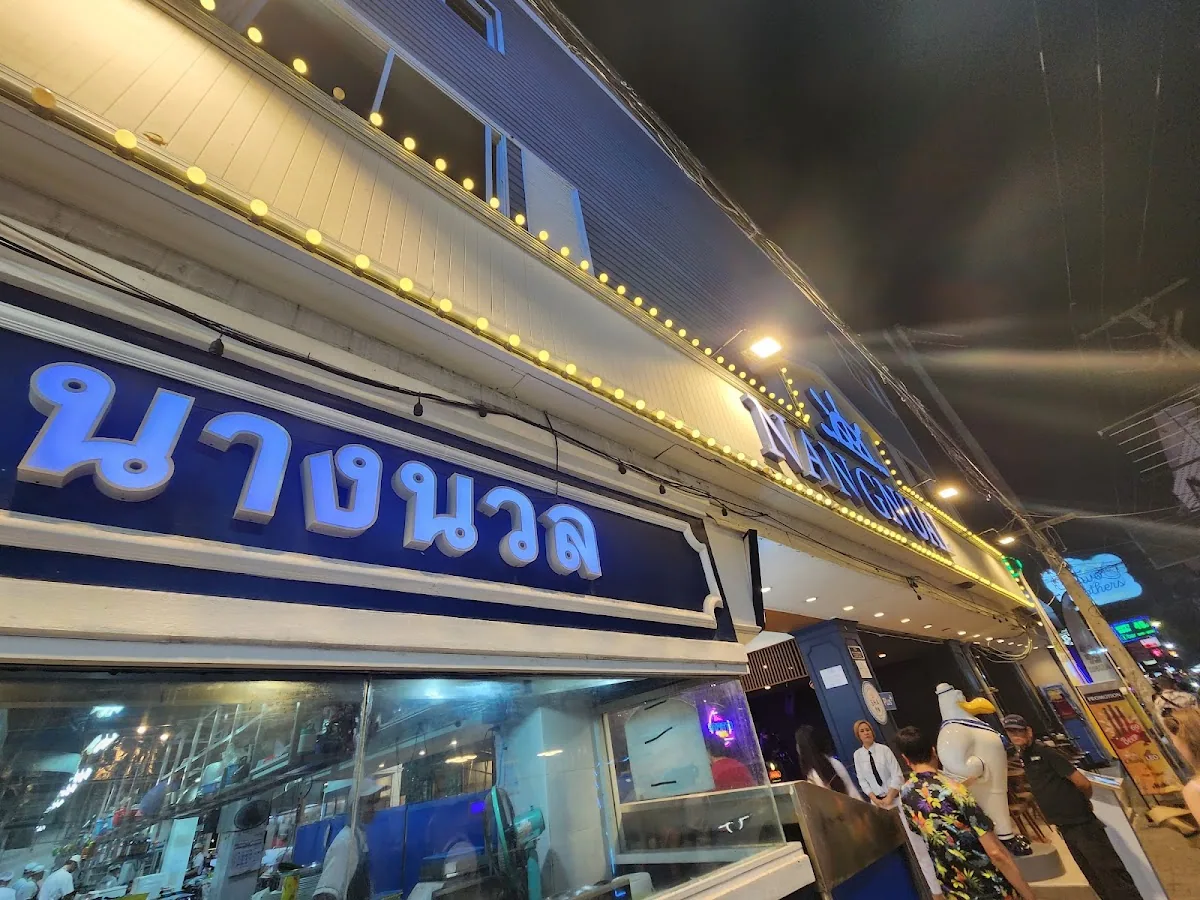
Contrast that with a hotel pool. A hotel pool deck like the ones at Cape Dara Pattaya, Centara Grand Mirage or Amari Pattaya is built for guests first, and any day-use access for outsiders is secondary, priced to be worthwhile for the hotel rather than to compete with a standalone club. The vibe is calmer, more family-oriented, and the pool itself, not the sand, is usually the main event even at beachfront hotels, because Pattaya's own sea and sand quality varies a great deal by stretch of coast. And contrast it again with a beachfront restaurant such as Nang Nual Pattaya or Moom Aroi Naklua: excellent for a long lunch with your feet near the water, but the sunbeds if there are any are a courtesy for diners, not a paid product, and nobody expects you to stay for six hours.
Day-use expectations and the minimum spend
The economics of a beach club rest on one of two models, and it is worth working out which one you are walking into before you sit down. The first is a flat day-use or lounger fee, sometimes redeemable against food and drink, which is straightforward: you know the number, you know what it buys, and anything beyond that is extra. The second is a straight minimum spend with no separate entry fee, which is less transparent and where most of the friction happens. Under this model the lounger is free to sit on, but the venue expects a certain amount to run through the till per person or per group over the course of the day, and if you fall short you will be told so, sometimes politely and sometimes not, near the end of your visit.
A few practical points follow from this. Ask what the model is when you arrive or book, not after you have settled in, because moving loungers once staff know you are a low spender is awkward for everyone. Understand that a single round of drinks per person across an afternoon will rarely clear a minimum spend at a club positioned as premium. Groups do better than solo travellers and couples under a minimum-spend model, because the spend is pooled. And weekday visits are consistently cheaper and quieter than weekends, when clubs run promotional formats, book out cabanas in advance, and sometimes add a cover charge on top of the spend requirement.
None of this is unique to Pattaya, it is standard beach club economics from Bali to Ibiza, but visitors who have not encountered the format before are sometimes caught out expecting something closer to a public beach with a bar attached.
Which stretch of coast each type sits on
Pattaya's coastline is not uniform, and this matters more for beach clubs than for almost any other category of venue, because the whole point of the product is the setting.
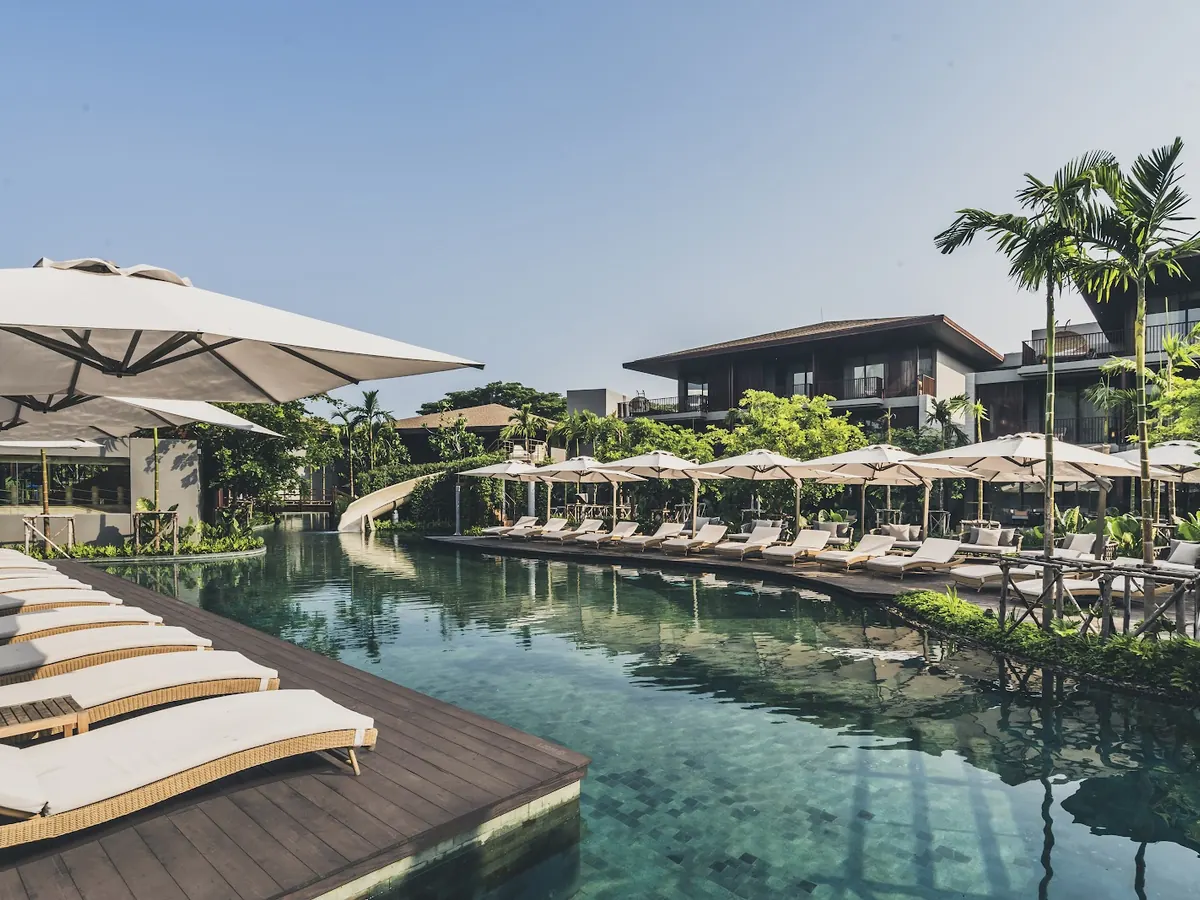
Jomtien, south of central Pattaya, has the cleanest and widest sand on the mainland and is where most of the newer, more design-led beach club style venues have appeared, aimed at a mixed crowd of long-stay residents, couples and groups who want a proper day out rather than a quick sunbed. It is also where beachfront hotels like Andaz Pattaya Jomtien run day-use pool products that overlap conceptually with the beach club idea, even if the sand itself is a short walk rather than the literal setting.
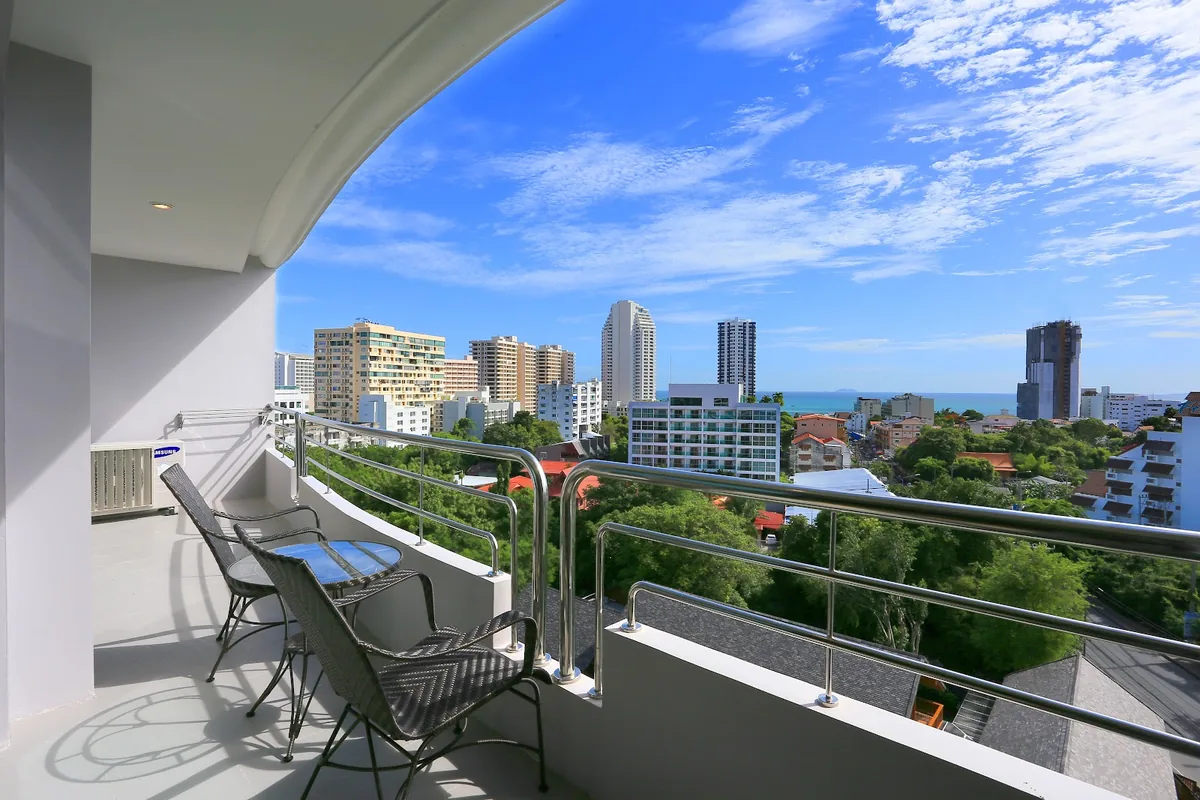
Pratumnak, the headland between central Pattaya and Jomtien, is quieter and greener, with smaller coves rather than one long beach, and the venues here tend to be smaller and more design-focused, sometimes attached to boutique properties such as Sirin Exclusive Pratumnak. This is the stretch for people who want an intimate, less crowded version of the format.
Central Pattaya beach itself is busy, narrow in places and shares space with public beach traffic, vendors and jet ski operators, which makes it a poor setting for the classic beach club atmosphere; venues here lean more toward beachfront restaurants and hotel pool decks than toward genuine clubs.
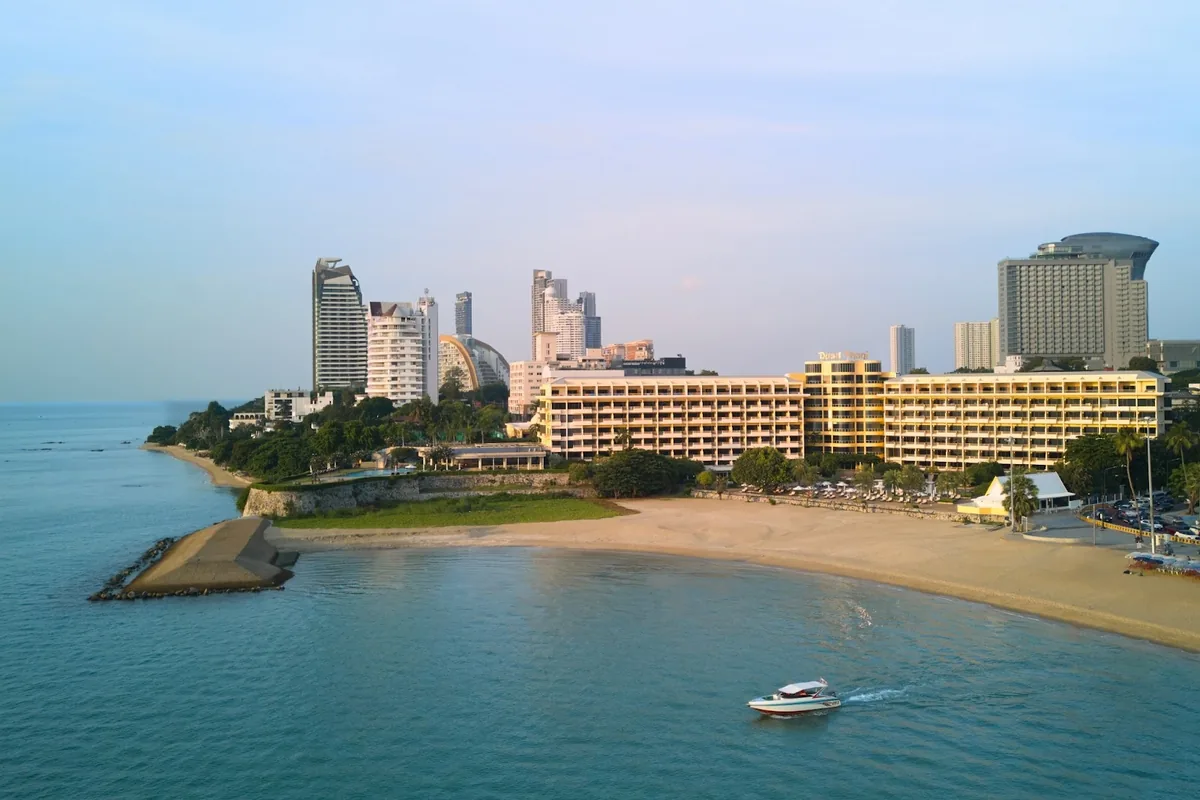
Wongamat and Naklua, north of the pier, have calmer water and a more residential, slightly upmarket feel, and this is where hotels such as Centara Grand Mirage and Cape Dara Resort anchor a quieter day-use scene, generally closer to the hotel pool model than the party beach club model. Dusit Thani Pattaya, on the headland at the northern end of Beach Road, sits just short of that stretch and belongs to the same pool-deck category.
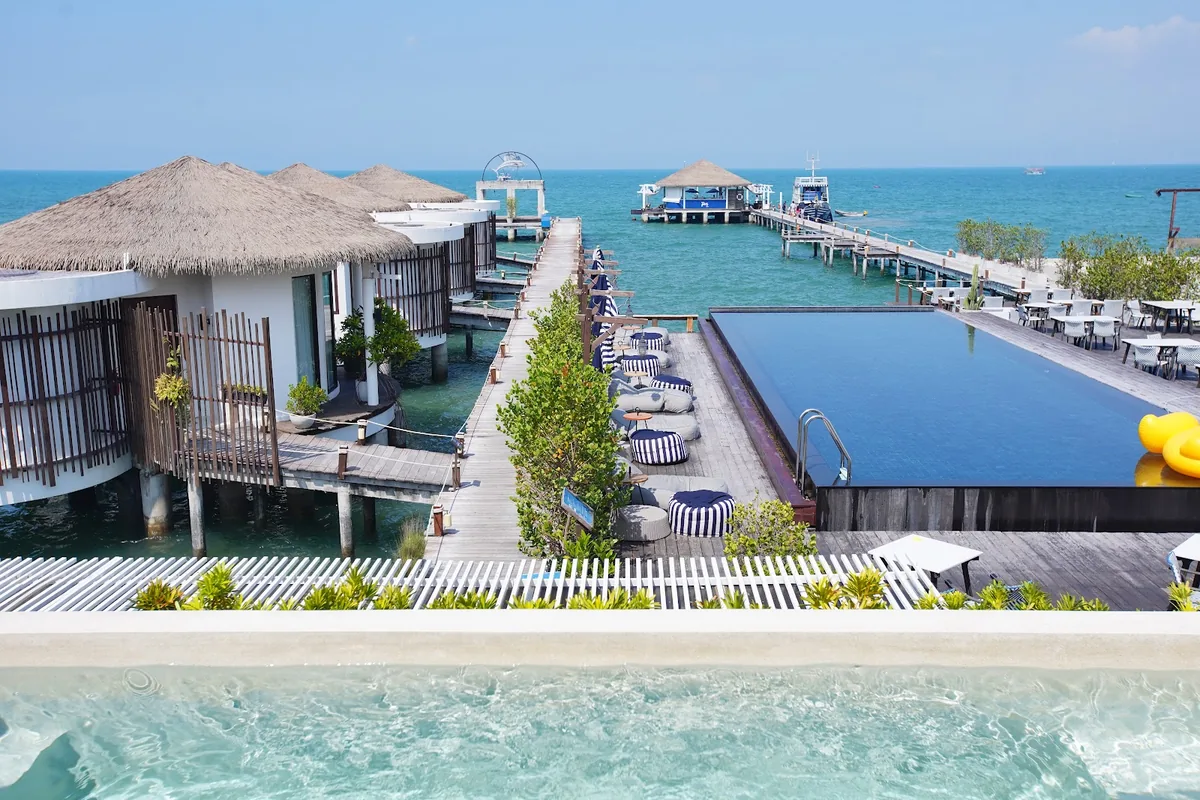
Bang Saray, further south past Jomtien, is a fishing-village stretch where the pace is slower again, and any day-use venues here, including places like Kept Bang Saray, trade on peace and a proper sea view rather than on a DJ and a drinks list.
Who each type actually suits
Genuine beach clubs suit groups celebrating something, couples wanting a full day built around lounging and drinking rather than sightseeing, and anyone who has done this format elsewhere and wants Pattaya's version of it. They do not suit young children, who will be bored by hour two of an environment built around adults drinking, or budget travellers unwilling to commit to a minimum spend.
Hotel pool day-use suits families, anyone travelling with young kids who need a proper pool rather than open sea, and people who want a calmer, more predictable few hours without a bar-driven atmosphere. It is usually the safer and more comfortable choice with children in tow, not least because Pattaya's sea conditions, while fine, are not always as reliably calm or clean as a chlorinated pool.
Beachfront restaurants suit anyone who wants seafood with a view and does not need to commit to a full day. This is the best option for a two-hour lunch stop that still delivers the coastal setting people come to Pattaya for, without the pressure of a minimum spend or the expectation that you will stay until sunset.
What disappoints people
The most common complaint is a mismatch between marketing photography and reality. Beach club promotional shots are taken at golden hour on a quiet weekday with the venue at its emptiest and most flattering; turn up on a busy Saturday afternoon and the same space can feel crowded, loud and short on available loungers unless you have booked ahead. Booking a cabana in advance for weekends removes most of this problem.
A second recurring frustration is the minimum spend model catching people by surprise, usually because nobody explained it clearly at the door, and a bill arriving at the end of the day that includes a top-up charge to meet the requirement. Ask upfront, every time.
A third is confusing sand quality with venue quality. A beautifully designed club on a narrow, average stretch of beach is still sitting on a narrow, average stretch of beach; the swimming experience in the actual sea will not match a resort in southern Thailand, and visitors who come expecting Krabi-standard water anywhere on the mainland coast will be disappointed regardless of how good the loungers are. For genuinely better water, the honest answer is to get out to Koh Larn or one of the other islands rather than expect a beach club to fix the sea itself.
Finally, some venues that market themselves heavily as beach clubs are, on inspection, closer to restaurants with good branding, so it is worth checking recent visitor reports rather than relying on a venue's own description before committing a full afternoon and a minimum spend to it.
How to choose in practice
If the goal is a proper day-drinking, lounging, watch-the-sunset occasion, Jomtien is the most reliable stretch to look at first, with Pratumnak as the quieter alternative. If travelling with children, skip the beach club format altogether and book hotel pool day-use instead, ideally somewhere with a calm, shallow pool and shade. If the goal is simply a good meal with a sea view for an hour or two, a beachfront restaurant does the job better than any club and without the financial pressure. For a wider view of where to swim well in the first place, it is worth reading the guide to the best beaches near Pattaya and the separate guide to islands near Pattaya before deciding whether a mainland beach club day or a boat trip out to clearer water suits the trip better.
Rooftop venues are a related but distinct category worth knowing about too: for an evening view rather than a daytime lounging session, see the guide to rooftop bars and restaurants in Pattaya, and for the wider context on how Pattaya's coastline breaks down by area, the Jomtien area guide, Pratumnak area guide and Wongamat and Naklua area guide each cover their stretch in more depth. Anyone planning costs for the trip more broadly should also see Pattaya costs and scams, since minimum spends and inflated bills are one of the more common sources of visitor frustration in this exact category.
The Pattaya.Guide verdict
A genuine beach club in Pattaya is a real and enjoyable thing, but it is a specific product for a specific occasion, not the default way to spend a beach day here. Go in knowing whether you are facing a flat fee or a minimum spend, pick Jomtien or Pratumnak over central Pattaya for the actual club experience, and do not expect a beach club to upgrade the sea itself. For families, meals, or a quick dip, a hotel pool or a beachfront restaurant will serve you better and cost you less stress.
Common questions
- What is the difference between a beach club and a beachfront restaurant in Pattaya?
- A beach club is built around day-long lounging with a fee or minimum spend and a bar-led atmosphere, while a beachfront restaurant is built around a meal and treats any sunbeds as a courtesy for diners rather than a paid product.
- Do Pattaya beach clubs charge an entry fee?
- Some charge a flat day-use or lounger fee, while others operate on a minimum spend with no separate entry charge, so it is worth asking which model applies before you settle in.
- Which part of Pattaya has the best beach clubs?
- Jomtien has the widest, cleanest sand and the largest concentration of proper beach club style venues, with Pratumnak offering a quieter, smaller-scale alternative.
- Are Pattaya beach clubs suitable for families with children?
- Most are designed around adult lounging and drinking and are not ideal for young children, who tend to do better at a hotel pool with day-use access.
- Is the sea better at a beach club than on the public beach?
- No, a beach club changes the setting and service but not the sea itself, so anyone wanting notably clearer water should look at a trip to Koh Larn or another island instead.
Places in this guide
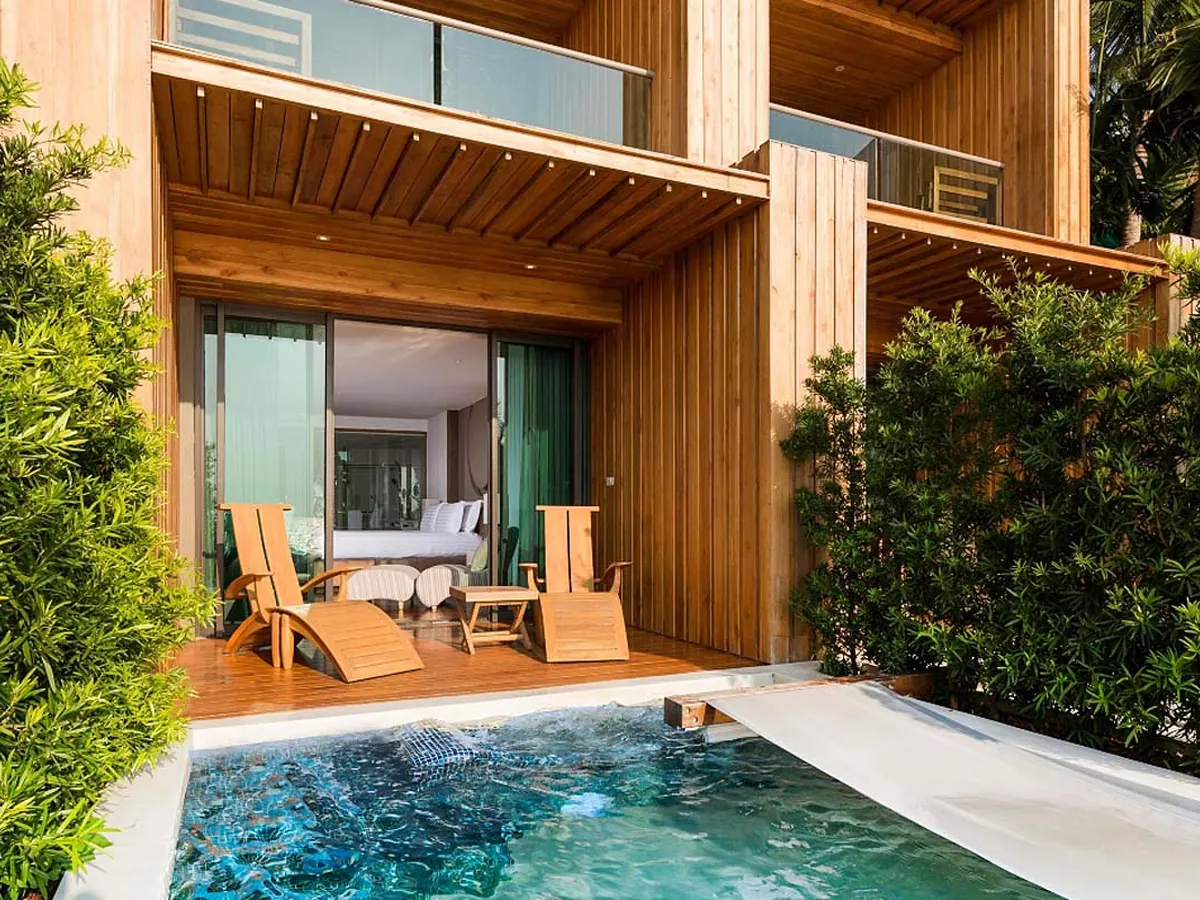
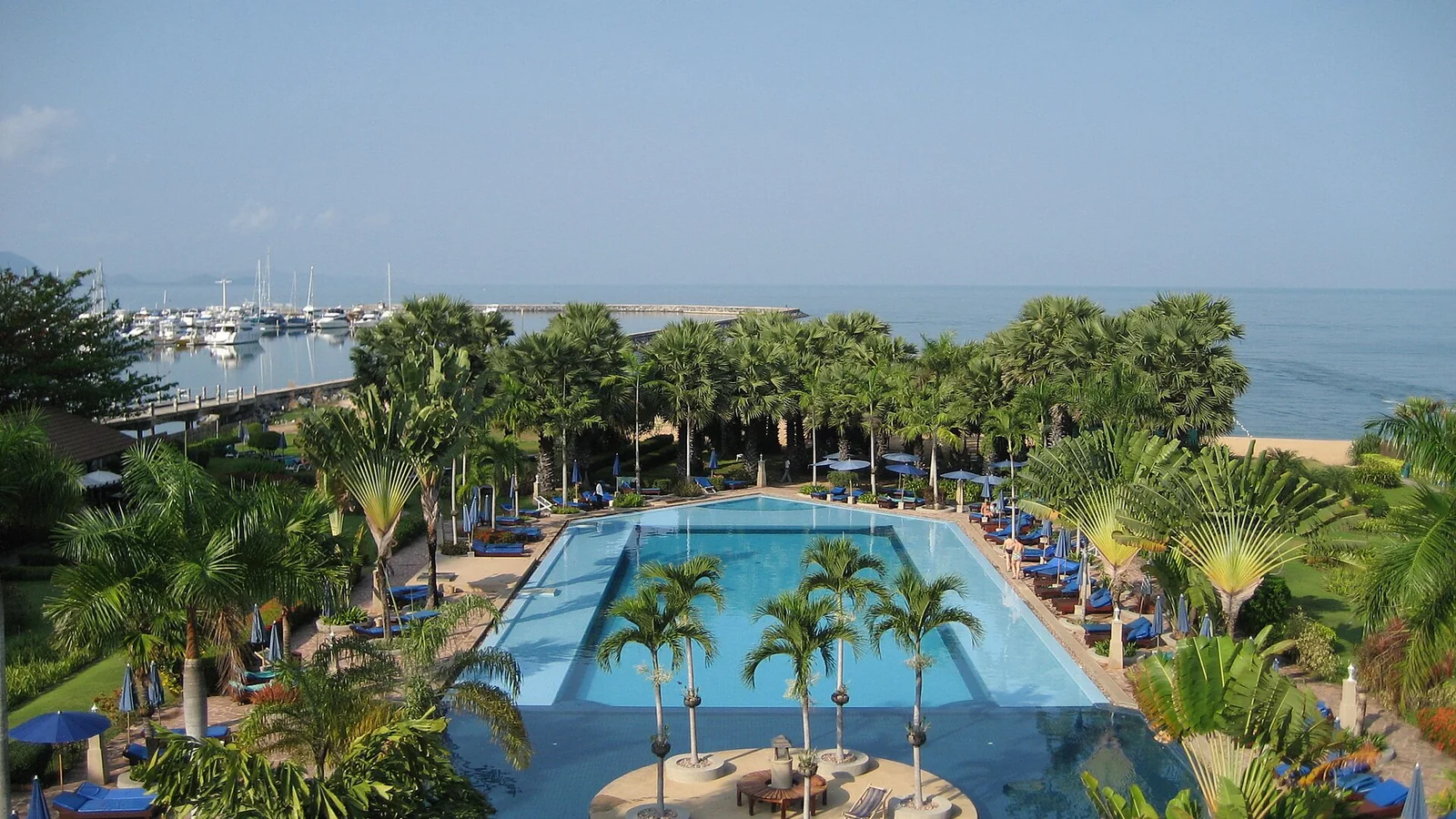
hotels
Cape Dara Resort
Central but calm, at the quiet end of the bay.
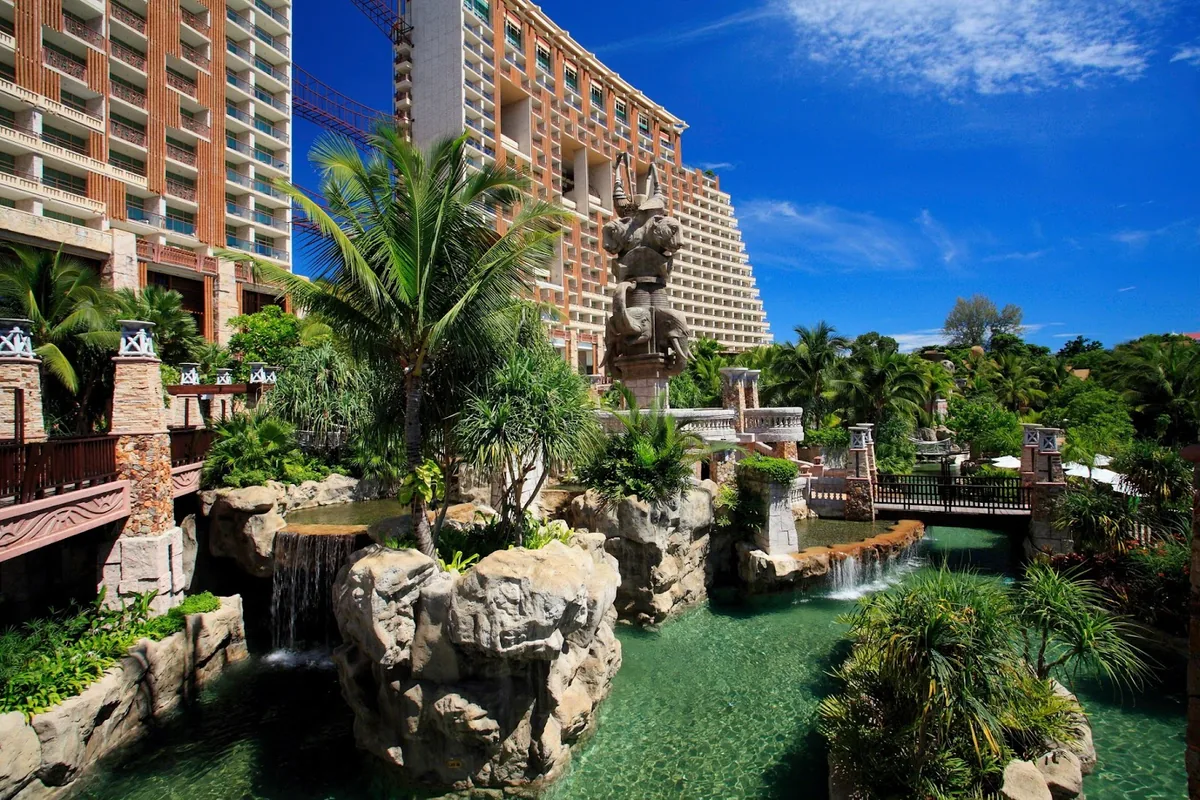
hotels
Centara Grand Mirage Beach Resort
A lost-world water park with a hotel attached.
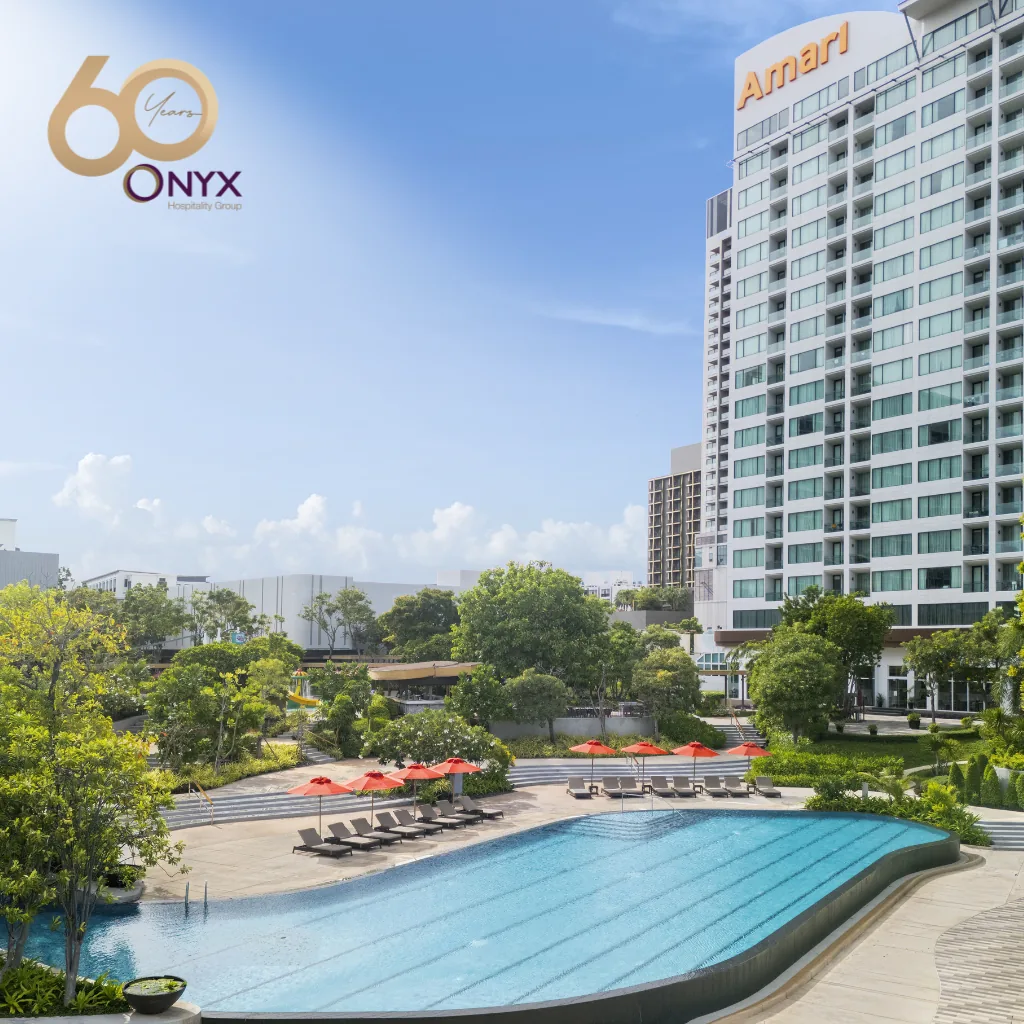
hotels
Amari Pattaya
Central, good value, and strong with children.
hotels
Andaz Pattaya Jomtien Beach
Teak, gardens and quiet water, thirty minutes south of the noise.
hotels
Sirin Exclusive Hotel and Residence
Apartment-sized rooms on the quiet hill, with a rooftop worth staying up for.
hotels
Dusit Thani Pattaya
Mature gardens, a private beach, and the most central location of any resort here.
hotels
Kept Bang Saray Hotel
A jetty over the water in a working fishing village, half an hour south.
restaurants
Nang Nual
A deck over the water at the end of Walking Street.
restaurants
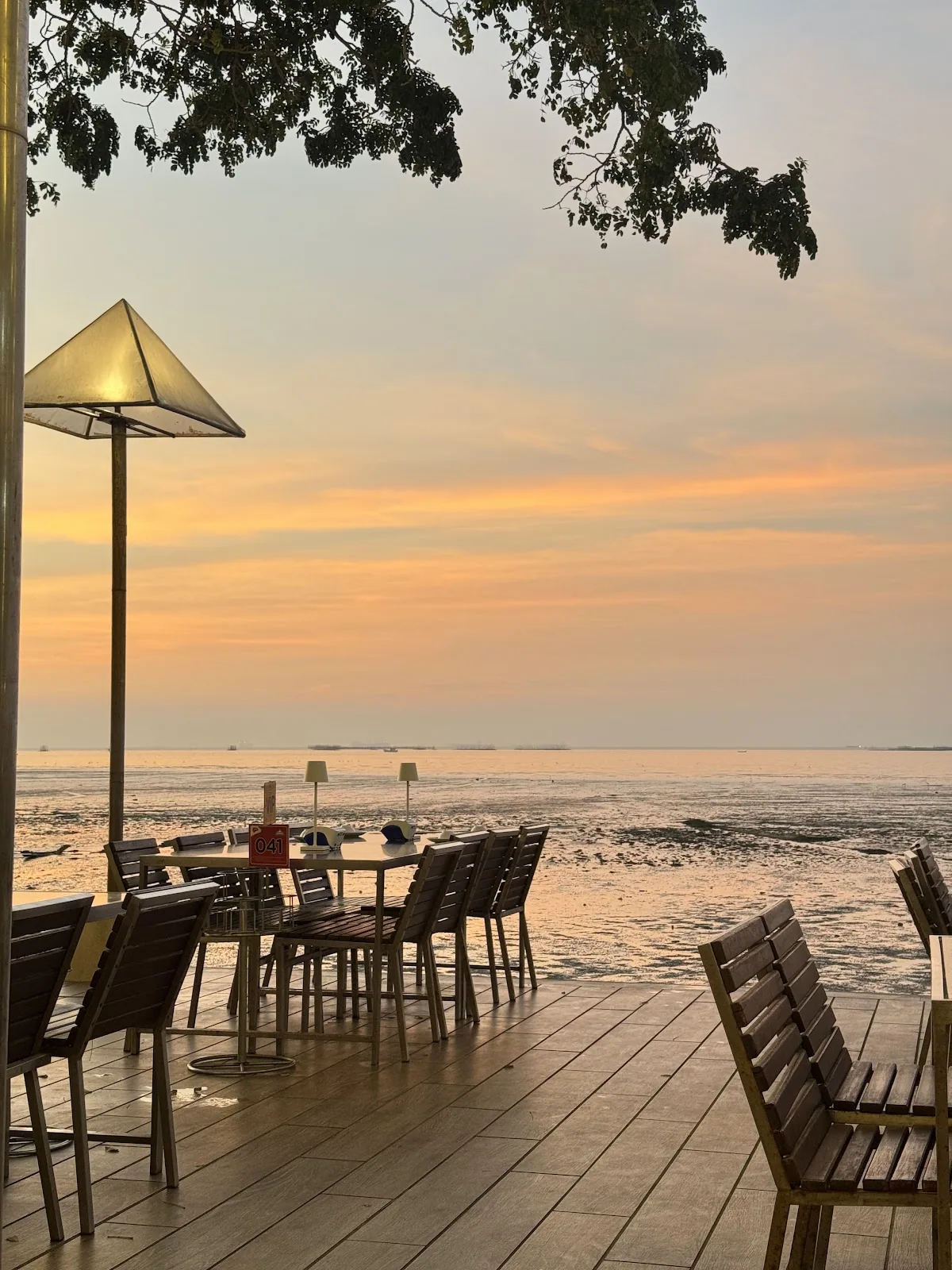
Moom Aroi Na Kluea
The seafood restaurant everyone means when they say seafood restaurant.
Related guides
- Trip PlanningHow to choose a hotel in Pattaya without regretting itThe listing tells you almost nothing that matters. Here is what to check, which hotel types suit which trips, and the six things that cause almost every complaint.
- Food & DrinkBreakfast and brunch in PattayaPattaya runs on three breakfast cultures at once: Thai rice and noodle stalls, Western fry-ups, and a growing specialty coffee brunch scene. Here is which suits your morning.
- Food & DrinkWhere to eat seafood in PattayaPattaya's best seafood comes from market stalls in Naklua and Bang Saray, not tourist-strip photo menus. Here is where to go, how to order, and the pricing traps to avoid.
Browse every topic in our Pattaya guides, or ask the Pattaya AI Guide about anything in this guide.