

Guide
Thai etiquette: what actually matters
Most of what visitors worry about is fine. A smaller number of things genuinely cause offence, and one of them is a criminal offence.
8 min readUpdated
Good to know
- Good to know
- Do not discuss, criticise, or joke about the monarchy, in any setting, including online. Losing your temper in public is the single worst thing you can do here.
- What to bring
- Cover shoulders and knees for temples; many temples, including Wat Phra Yai, keep wraps at the entrance. Beachwear belongs on the beach, not in shops or restaurants.
- Useful phrases
- Sawasdee khrap/kha (hello), Khop khun khrap/kha (thank you), and Mai pen rai (never mind, no problem) are worth learning. The particles khrap and kha make almost anything polite.
- At the table
- The fork pushes food onto the spoon, which goes in your mouth; chopsticks are for noodle dishes. Tipping is not obligatory, but rounding up or leaving small change is appreciated.
Thailand is a forgiving place for visitors. Thai people are generally warm toward foreigners, tolerant of mistakes, and unlikely to make a fuss about a breach of etiquette you did not know about.
That tolerance means the things that do matter are worth learning properly, because they are a short list and getting them right changes how you are treated.
The concept underneath everything
Thai social life is organised around not causing anyone to lose face, and around maintaining a pleasant surface. Almost every specific rule below follows from that.
The practical consequence is that losing your temper in public is the single worst thing you can do here. Raising your voice, arguing loudly, or visibly getting angry does not get results in Thailand. It makes you the problem, causes everyone present to lose face including you, and ends any prospect of the situation being resolved.
Foreigners find this genuinely difficult, because in much of the West escalation is a legitimate negotiating tactic. Here it is not. Stay calm, smile, and be persistent. It works, and nothing else does.
The wai
The palms-together greeting is the standard Thai courtesy, and visitors overthink it.
The general convention is that the wai is initiated by the socially junior person and returned by the senior. You do not need to master the gradations. Two practical rules cover almost every situation:
Return a wai if someone gives you one, with your hands somewhere around chest height and a slight bow of the head. Do not wai children or service staff, which places them awkwardly. A smile and a nod is the correct response to a hotel porter or a waitress.
Nobody expects a foreigner to get this perfect, and a slightly clumsy wai is received far better than none.
Heads and feet
Two rules that have real weight, and both are easy.
The head is the highest and most respected part of the body. Do not touch an adult's head, and be careful about reaching over someone's head. Ruffling a child's hair, which is affectionate in many cultures, is not appreciated here.
Feet are the lowest and least clean. Do not point your feet at anyone, at a Buddha image, or at a photograph of the royal family. Do not step over someone sitting on the floor. Do not use a foot to point at things or to move something.
Sitting cross-legged with a sole facing someone is the most common accidental version of this. Tuck your feet under you or to one side.
Shoes off
Remove your shoes before entering a temple building, a private home, and many shops, guesthouses and small restaurants.
The signal is usually obvious: a pile of shoes at the door. If in doubt, look, or ask. Nobody minds being asked.
At temples
Temples are working religious buildings, and the etiquette is straightforward.
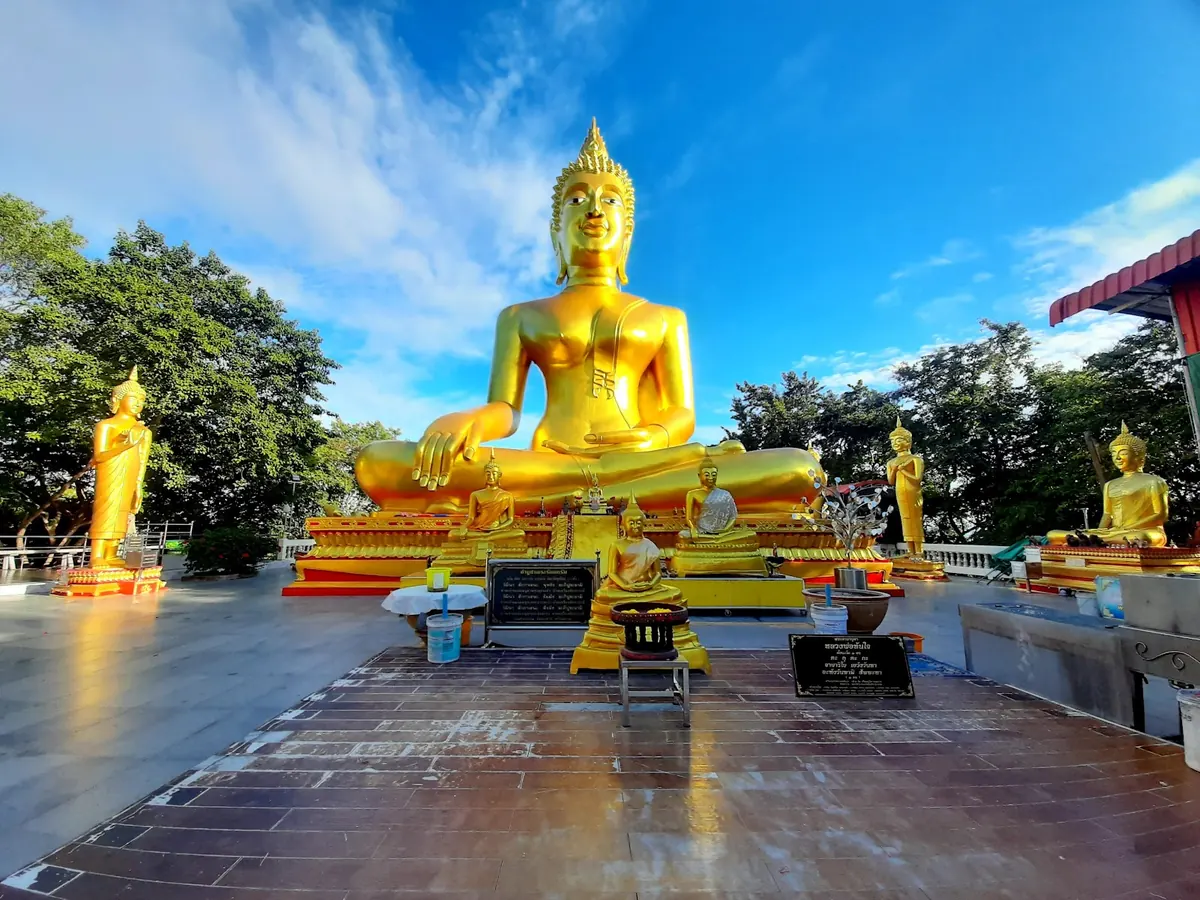
Cover shoulders and knees. This applies to everyone. Many temples, including Wat Phra Yai on Pratumnak, keep wraps at the entrance for visitors who arrive unprepared.
Remove shoes before entering any building containing a Buddha image.
Do not point your feet at the Buddha. Sit with feet tucked behind you.
Do not climb on or pose irreverently with Buddha images. Photographs of the building are fine; photographs treating a religious image as a prop are not, and this genuinely offends.
Women should not touch monks or hand anything directly to a monk. Place the item down for the monk to pick up. Monks also sit separately on public transport, and it is normal to give up a seat rather than sit adjacent.
Donations are welcome, never demanded, and small notes are entirely appropriate.
The monarchy
This one is different from everything else on this page, because it is a matter of law rather than manners.
Thailand has strict laws protecting the monarchy. They are enforced, they apply to foreign visitors, and the consequences are serious. This is not a topic where a joke, an opinion offered in a bar, or a social media post is a small thing.
The practical guidance is simple and absolute: do not discuss, criticise, or joke about the monarchy, in any setting, including online. Treat images of the royal family with respect, do not step on Thai currency, which bears the King's image, and stand when the royal anthem is played in cinemas and at some public events.
If a Thai person raises the subject, the correct response is to change it.
Eating
Thai meals are shared. Dishes arrive when ready, not together, and go in the middle of the table. Order for the table rather than a plate each.
The fork pushes, the spoon eats. The fork is used to move food onto the spoon; the spoon goes in your mouth. Chopsticks are for noodle dishes.
Rice is ordered per person, dishes are shared.
Do not stick chopsticks upright in rice. It resembles funeral incense.
Finishing everything is not required and leaving a little is normal.
Tipping is not obligatory. Rounding up, or leaving small change, is normal and appreciated. Some restaurants add a service charge; check the bill.
Dress
Thailand is more conservative than the beach resorts suggest.
Beachwear belongs on the beach. Walking into a shop, a restaurant or a 7-Eleven shirtless or in a bikini is genuinely poor form, and the fact that it is common in Pattaya does not make it acceptable to Thai people. Put a shirt on.
Cover up for temples and government buildings, including immigration offices.
Smart-casual is fine everywhere else, and nobody expects formality.
Some things that are fine
Worth saying, because visitors worry unnecessarily.
Speaking English. Widely understood in Pattaya, and nobody is offended by it, though any attempt at Thai is warmly received.
Bargaining at markets. Expected, as long as it is good-natured.
Photographing places. Fine. Photographing people, ask first, and almost everyone will say yes.
Public affection between couples is more accepted in Pattaya than elsewhere in Thailand, though restraint is still the local norm.
Asking about age, marital status or income. Normal small talk here, and not intended as intrusive.
The words worth knowing
Sawasdee khrap (male speaker) or sawasdee kha (female speaker), hello.
Khop khun khrap / kha, thank you.
Mai pen rai, roughly "never mind" or "no problem", and one of the most useful phrases in the language. It captures a good deal of the Thai approach to minor setbacks.
The particles khrap and kha attach to almost anything to make it polite, and using them marks you as someone making an effort.
The single most useful habit
Smile, and stay calm.
Thai society runs on maintaining a pleasant surface, and a foreigner who does that gets treated markedly better than one who does not. When something goes wrong, and something will, the person who smiles and asks again politely gets it resolved. The person who raises their voice does not.
Business and social situations
If you are here for work, or find yourself invited to something, a few conventions apply.
Business cards are exchanged with both hands, received with both hands, and looked at rather than pocketed immediately. Putting one straight into a back pocket is poor form.
Seniority matters and is signalled by age as much as by title. The most senior person is greeted first and generally speaks first.
Direct disagreement in front of others is avoided. A Thai colleague who disagrees may say nothing rather than contradict you publicly, which is worth remembering before assuming agreement.
"Yes" often means "I heard you" rather than "I agree" or "it will be done". This is the single most common source of misunderstanding between foreign and Thai colleagues.
Invitations to eat are common and accepting is the polite response. The person who invited usually pays, and offering to split can be awkward.
Interacting with staff and service
Pattaya's service industry is very used to foreigners, which makes it easy, and also makes the difference in treatment between polite and impolite visitors especially visible.
Learn a couple of words. Khop khun khrap or kha costs nothing and changes the temperature of every interaction.
Do not click your fingers or shout to attract attention. A raised hand and eye contact works.
Be patient with English. Comprehension varies, and speaking more loudly does not help. Speaking more slowly and simply does.
Complaints are best made quietly, privately and with a smile. This produces results. Public complaints do not.
What Thai people will forgive
Almost everything on this page, done wrong, once, by someone visibly trying.
Thai tolerance for foreign clumsiness is genuinely high, and mistakes made in good faith are generally met with amusement rather than offence. Nobody expects a visitor to have this perfect.
The exceptions are the two that carry weight beyond manners: anything touching the monarchy, and public anger. Those are worth getting right.
Photography, specifically
Worth its own note because it is where well-meaning visitors most often misstep.
Buildings, streets and food are fine, always.
People should be asked, and almost everyone says yes. A gesture at the camera and a smile is enough where language fails.
Monks should be asked, and women should not stand close for a photograph.
Buddha images may be photographed respectfully. Climbing on them, posing irreverently, or turning your back to take a selfie in front of one is genuinely offensive.
Anything involving the royal family should be treated with care.
Children should be asked about via their parents rather than directly.
Common questions
- What is the single most important rule of etiquette to follow in Thailand?
- The single most important rule is not to lose your temper in public; raising your voice or getting angry is considered poor form and will not resolve situations.
- How should I interact with the Thai monarchy or images of the royal family?
- You must not discuss, criticise, or joke about the monarchy in any setting, and treat images of the royal family with respect, including not stepping on Thai currency.
- What is the correct way to use a fork and spoon when eating a Thai meal?
- The fork is used to push food onto the spoon, and the spoon is then used to eat; chopsticks are generally reserved for noodle dishes.
Places in this guide
attractions
Wat Phra Yai (Big Buddha)
The Big Buddha, free entry, and the best cheap view in the city.
attractions
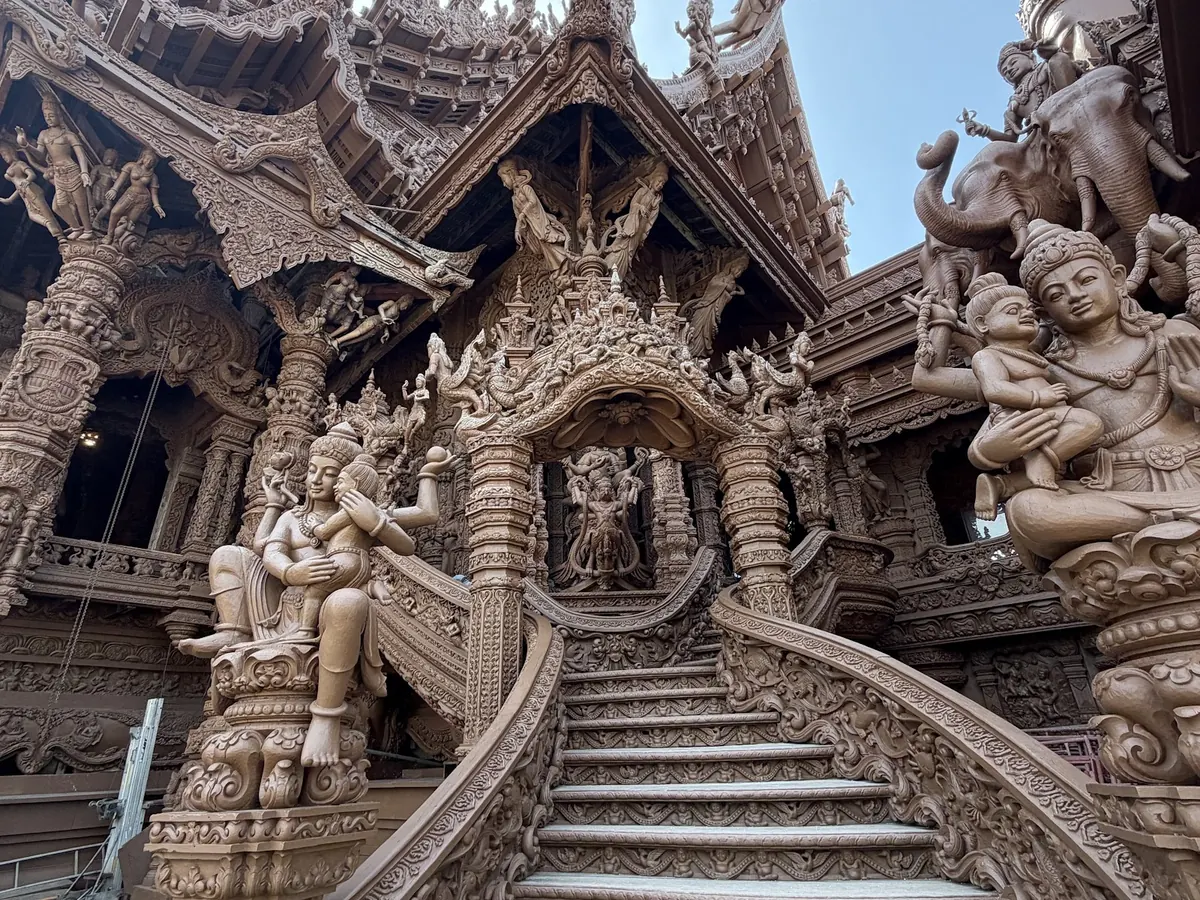
Sanctuary of Truth
A hundred metres of hand-carved teak, still unfinished after decades.
attractions
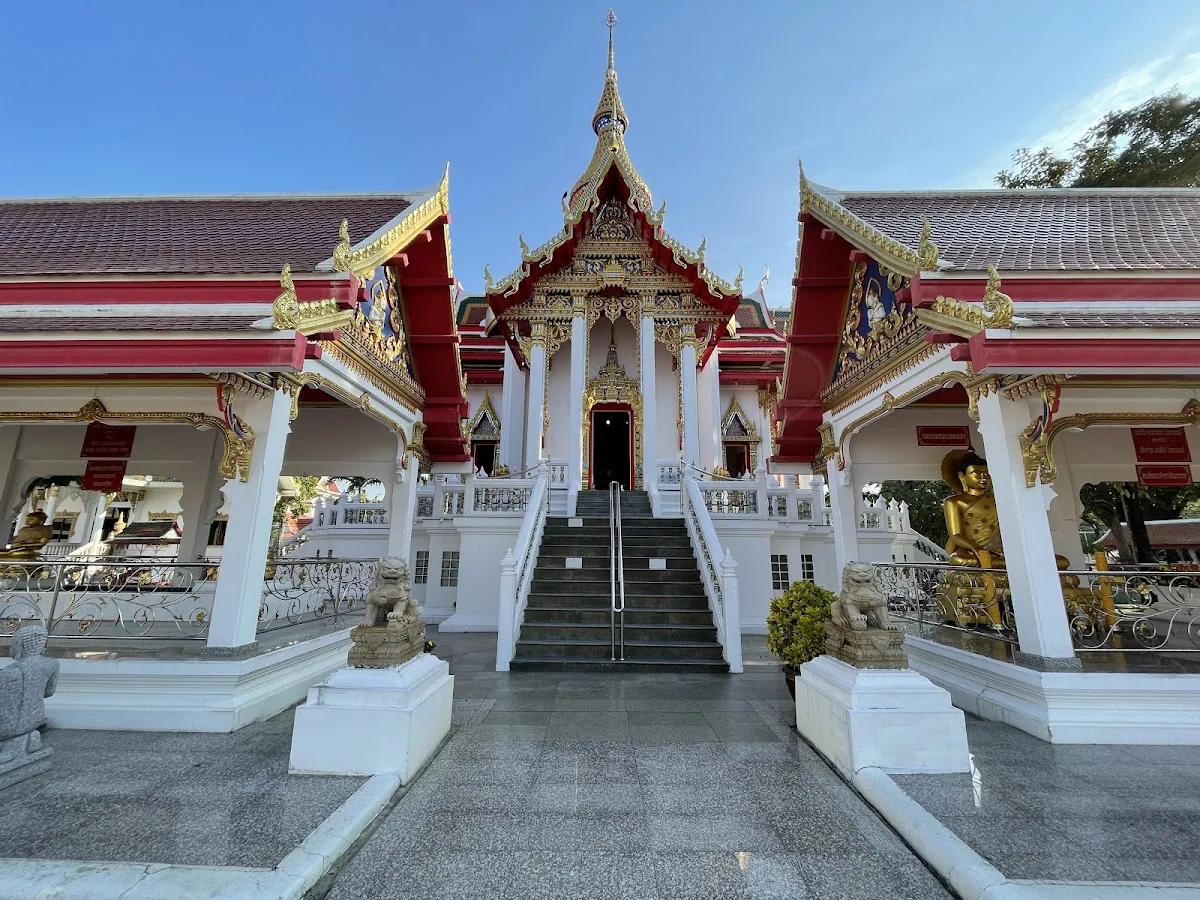
Wat Chai Mongkron
A working temple in the middle of the city, with a night market attached.
hidden-gems
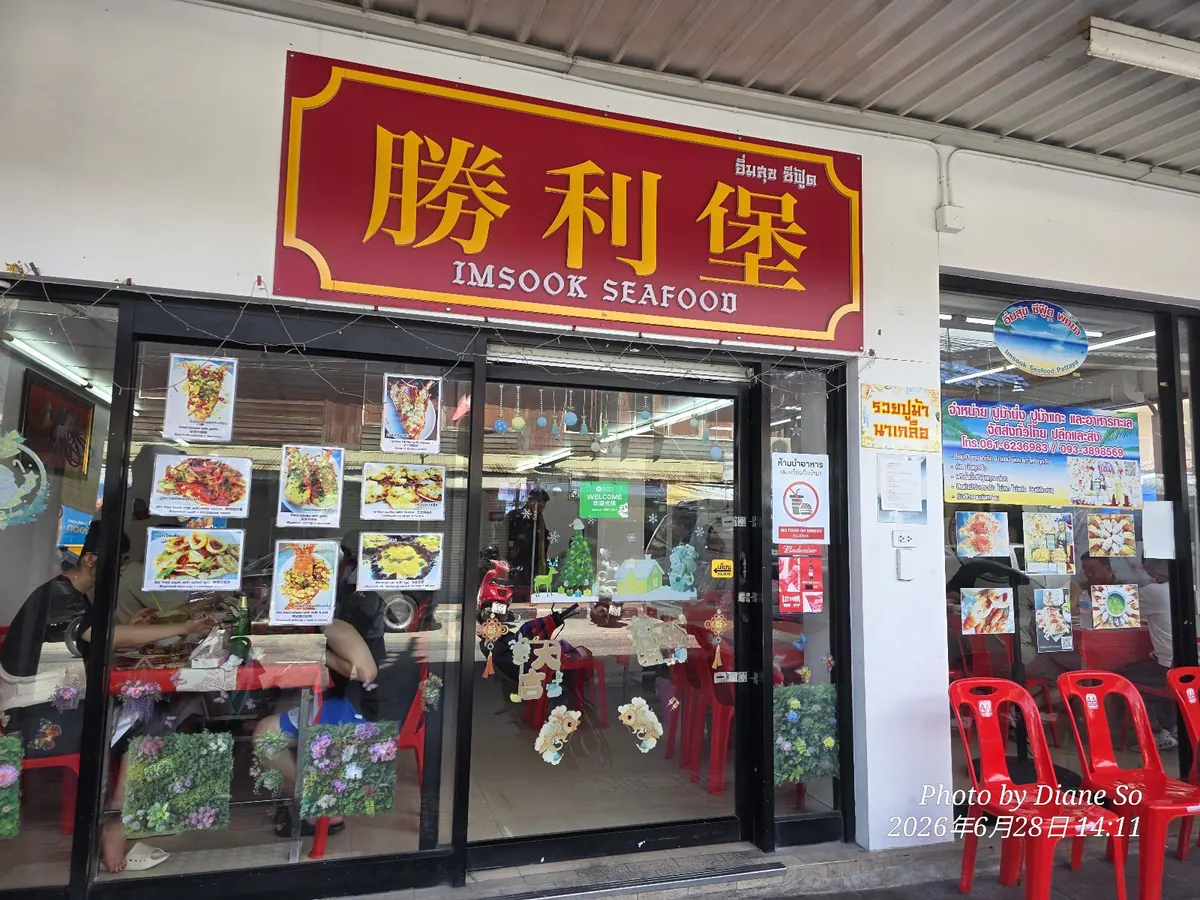
Lan Pho Na Kluea Market
Buy your seafood at the market, then pay someone at the back to cook it.
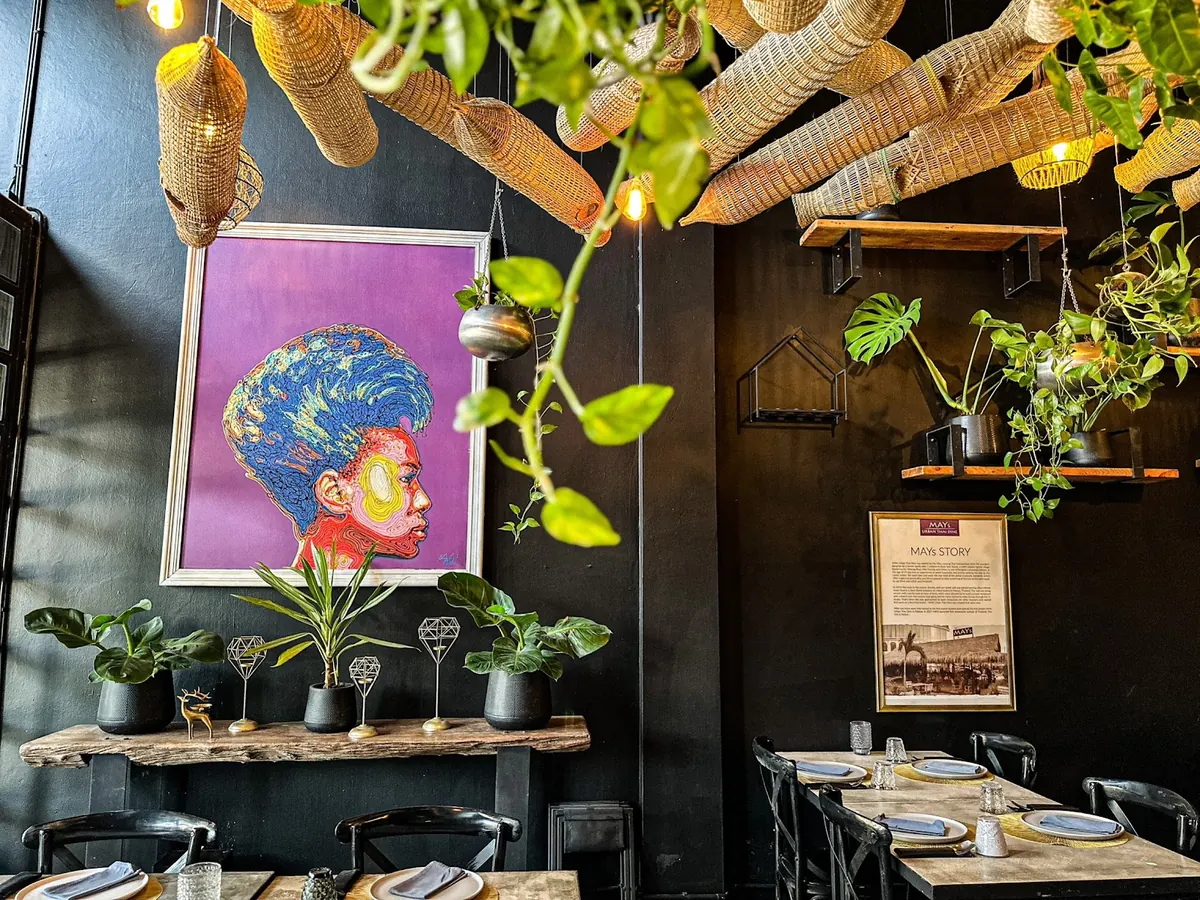
restaurants
MAYs Pattaya
Thai cooking worth dressing up for.
Related guides
- Culture & HistoryHow Pattaya became PattayaA fishing village, an American war, and sixty years of unplanned growth. The story explains almost everything about the city you see today.
- ItinerariesPattaya in 48 hoursA first visit, planned around the two things this coast does better than anywhere near it: the water offshore and the light at sunset.
- Food & DrinkWhere locals actually eat in PattayaMarkets, small kitchens and one seafood ritual that has nothing to do with the tourist strip. What Thai residents eat and where.
Browse every topic in our Pattaya guides, or ask the Pattaya AI Guide about anything in this guide.