

Guide
Soi 6 Pattaya: what it actually is
Five hundred metres in North Pattaya, busiest in the afternoon, and almost nothing written about it is neutral. The history, the geography and what to expect.
10 min readUpdated
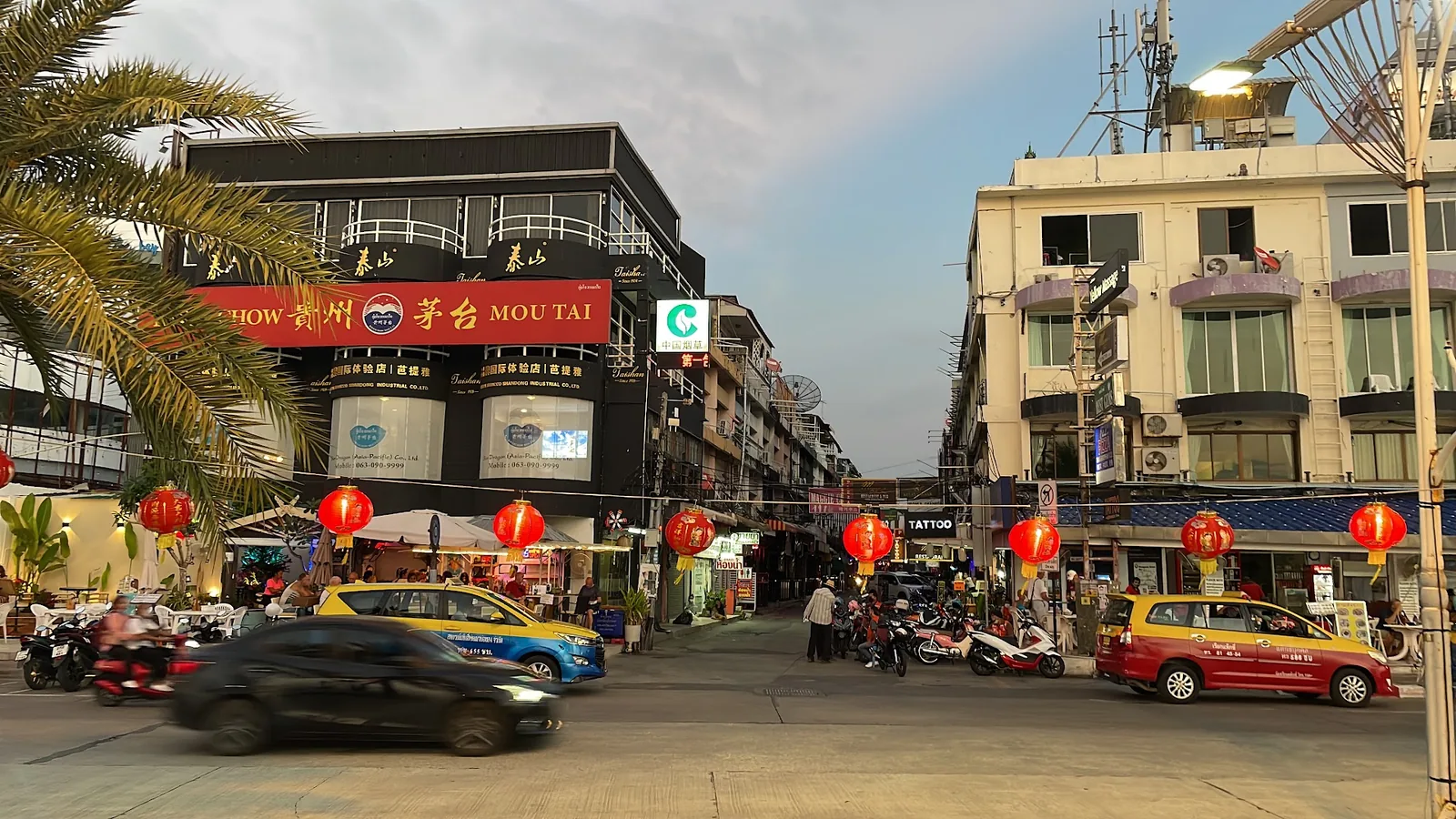
Ask a hundred people what Soi 6 is and you will get a hundred answers, most of them wrong, and almost all of them delivered with total confidence by someone who has never walked down it.
It is roughly five hundred metres of road in North Pattaya, running between Beach Road and Second Road. It is one of the most searched-for streets in Thailand. And it is, depending entirely on the hour you arrive, either the strangest street in the city or one of the most ordinary.
This guide is about the street itself: where it came from, why it turned out this way, what it is actually like to walk down, and the practical things worth knowing. It is not a listing of venues, and it does not review the adult entertainment industry that made the street famous. More on that at the end.
Where it is, and why the geography matters
Soi 6 sits in North Pattaya, one of the numbered sois running east to west between the two main roads.
That numbering is a clue to the city's history. The sois off Beach Road were numbered as Pattaya expanded away from the water through the 1960s and 70s, and the low numbers are the old ones. Soi 6 is not a modern development or a purpose-built entertainment zone. It is an ordinary residential and commercial street that happens to have become something else.
The distance matters too. It is short. You can walk the entire length in under ten minutes at a normal pace, which is a fraction of Walking Street and considerably less than most visitors expect from somewhere with this reputation. People arrive looking for a district and find a single street.
At the Beach Road end you are a few steps from the sand. At the Second Road end you are in the middle of ordinary Pattaya traffic. The whole thing sits inside a working neighbourhood, with residents, laundries, minimarts and motorbike repair shops on the adjoining streets.
Where it came from
Soi 6's history runs parallel to Pattaya's own, which is to say it starts with the American military.
Through the 1960s and early 1970s, American servicemen stationed in Thailand during the Vietnam War came to Pattaya on leave, and an economy grew along the beachfront to serve them. Bars, guesthouses and restaurants appeared on the streets closest to the sand. The numbered sois off Beach Road were the first to develop, because that is where the visitors were.
When the Americans left in the mid-1970s, most of that infrastructure stayed, and Pattaya spent the following decades finding new markets for it. European package tourists arrived through the late 1970s and 1980s. Russians came in numbers from the 1990s. More recently, Indian, Chinese and Middle Eastern visitors.
Walking Street, at the far southern end of the bay, became the loud, late, internationally famous version. Soi 6 developed differently: smaller, shorter, earlier in the day, and with a character that has more in common with a row of neighbourhood pubs than a nightclub strip.
That difference is the single most useful thing to understand about it.
The daylight thing
Here is what genuinely surprises first-time visitors: Soi 6 operates in the afternoon.
Almost every other entertainment area in Pattaya is nocturnal. Walking Street barely exists before nine in the evening. LK Metro fills up late. Soi 6 is busiest in the afternoon and early evening, and by the time the rest of the city is getting started it is winding down.
This is not an accident of scheduling. It reflects a different kind of business, aimed at a different rhythm, and it means the street is at its most active under a bright tropical sun rather than under neon.
The effect is disorienting for anyone expecting the usual. There is no darkness to soften anything. It is two in the afternoon, thirty-four degrees, the sun is directly overhead, and the street is fully awake.
What you actually see
Small bar frontages, open to the street, in a near-continuous run along both sides. Most are narrow, one or two units wide. Signage is dense, hand-painted as often as printed, and there is very little architectural ambition anywhere.
Staff sit outside on stools, and the street's defining behaviour is the greeting: as you walk, you will be called to, constantly and by name of nothing in particular, by people who are friendly, persistent and completely unbothered by refusal.
Between the bars there are ordinary things. A pharmacy. A minimart. A tailor. A shop repairing phones. Somebody's motorbike parked half across the pavement. Laundry hanging from a window above a bar. The street never stopped being a street.
At the Beach Road end there are food stalls and a couple of restaurants, and the transition from the beach to the soi happens in about four steps, which catches people out.
Walking it as a visitor
An enormous number of people walk Soi 6 out of curiosity and nothing else. Couples do it. Groups of friends do it. People who have read about it for years and want to see whether it is real do it.
That is entirely normal, nobody finds it strange, and you are under no obligation to go into anything. Walking from one end to the other and out the other side is a complete and perfectly ordinary way to experience the street.
A few things make it easier.
A polite no works. A smile and a shake of the head ends any interaction. Rudeness is unnecessary and reflects worse on you than on anyone else.
Nobody will stop you walking. Persistent invitation is the norm; physical obstruction is not.
It is short. If it is not for you, you are out the other end in five minutes.
Photography needs care. The street and its signage are fine. Photographing individuals without asking is not, and it is the one thing likely to cause a genuine problem.
Daytime is the calmer version. If you want to see it without the full intensity, mid-morning is quiet and most places are only just opening.
Money, and the things that go wrong
Almost all trouble on Soi 6 is financial rather than physical, and it follows the same handful of patterns you find in any tourist entertainment area anywhere in the world.
Check the price before you accept anything. Drinks, and anything else. A venue that will not tell you what something costs before serving it is telling you something.
Ask for the bill itemised. This is normal, expected, and nobody is offended. Service charge and VAT are added at some places and not others, rarely flagged in advance.
Pay as you go rather than running a tab. The most common disputes involve a bill that is larger than expected at the end of an evening nobody was counting.
Take a fixed amount of cash and leave the cards at the hotel. This is the single most effective piece of advice about any Pattaya nightlife area, and it is the one people ignore.
Watch your own drink, as you would anywhere.
Do not ride a scooter after drinking. Road accidents are the leading cause of serious injury to foreign visitors in Thailand, and every travel insurance policy excludes riding under the influence.
Tourist police exist for disputes that escalate, and there is a visible police presence in the area. If a disagreement stops being a disagreement, that is the number rather than trying to resolve it alone.
What is nearby
The best thing about Soi 6's location is how quickly you can leave it.
Beach Road is at one end, and the beach itself is across the road. Walking north along the seafront in the late afternoon is genuinely pleasant and takes you toward the quieter Naklua end of the bay.
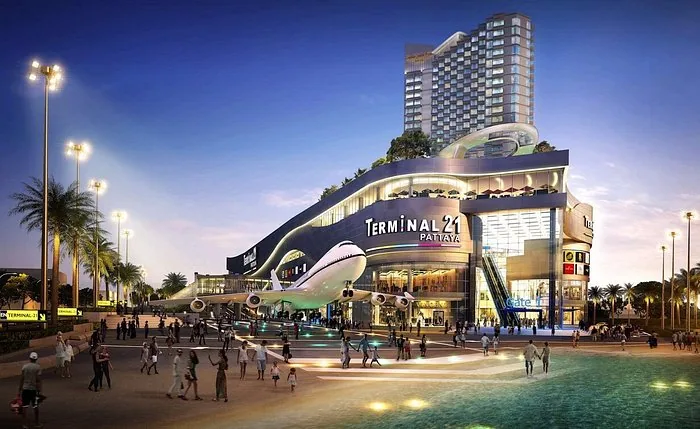
Terminal 21 is a short ride north, with its themed floors and the excellent-value Pier 21 food court.
Central Pattaya on Beach Road is south, running through from the beach to Second Road.
Soi Buakhao, inland, has the density of restaurants, pool halls and live music venues that most visitors are actually looking for when they say nightlife.
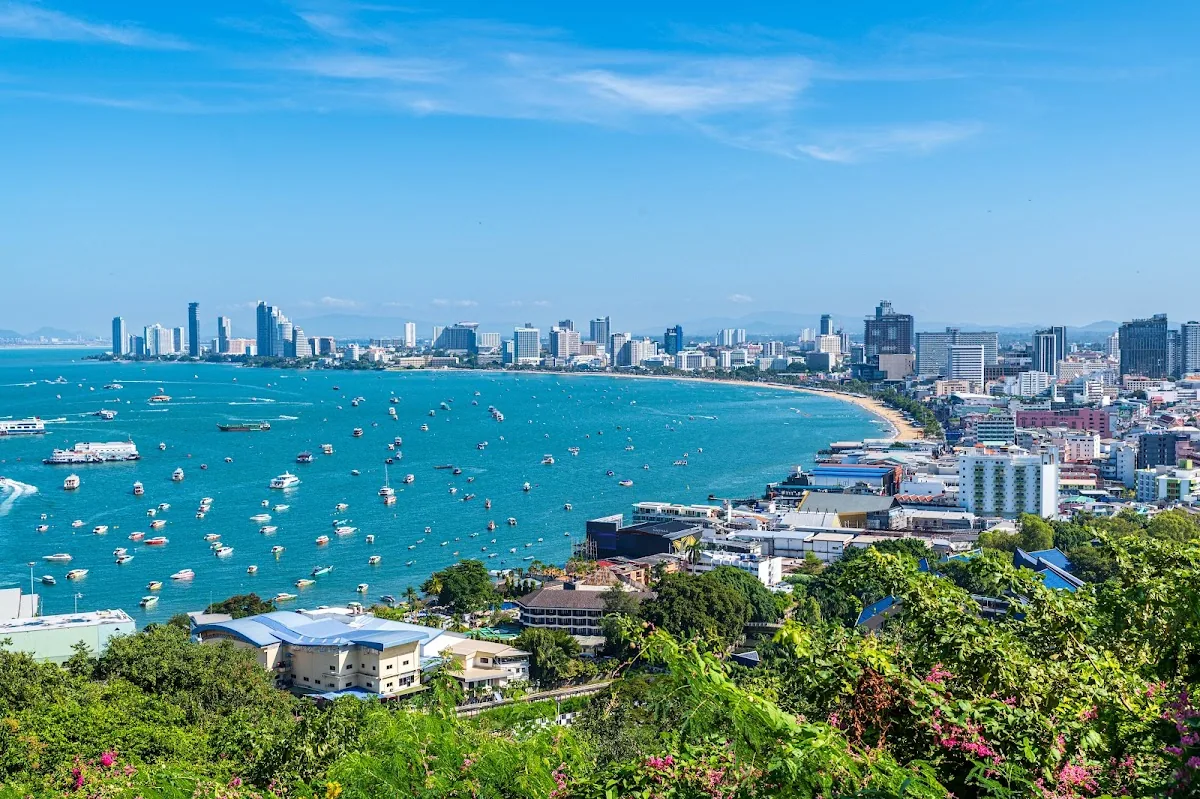
The Pratumnak viewpoint is ten minutes south and free, and gives you the whole bay at sunset.
That contrast is worth using deliberately. Soi 6 in the afternoon, the seafront at golden hour, dinner inland, live music after. That is a good evening in Pattaya and Soi 6 is a twenty-minute part of it.
Why it is so heavily searched
Soi 6 generates an extraordinary volume of search interest relative to its size, and the reason is not complicated: it is famous, it is specific, and almost nothing written about it is neutral.
Most of what exists online is either promotional or lurid. There is very little that simply explains what the street is, where it came from and what to expect, which is a strange gap for somewhere this well known.
Curiosity is a completely legitimate reason to want to know about a place. Most people searching are not planning anything. They are trying to work out what the fuss is about, or where it is, or whether it is somewhere they would want to walk past with their partner.
The answer to that last one, for what it is worth, is that plenty of couples walk it, and the street is considerably less confronting in practice than its reputation implies.
What this guide does not cover
Soi 6 is one of the best-known adult entertainment streets in the world. That is a plain fact about it and it would be absurd to write about the street without saying so.
It is also not what this site covers. Pattaya.Guide is a curated guide to places we would send a friend to eat, drink, stay and spend an afternoon, and our listings do not include adult entertainment venues. We do not review them, rate them, or direct you to them, and this guide names none of them.
If that is what you are looking for, it is being covered properly elsewhere. PattayaUncut.com is our sister site, and it handles that side of the city in the detail it deserves. It is launching shortly.
What is worth saying here is the practical part. The street is short, the venues are obvious, nobody is obliged to enter anywhere, and walking it end to end as a piece of sightseeing is something a great many visitors do and nobody thinks twice about.
The honest summary
Soi 6 is not a district, not a maze, and not the lawless place its reputation suggests. It is five hundred metres of narrow, sunlit, extremely direct commerce in the middle of a working neighbourhood, and it has been doing more or less the same thing for fifty years.
It is worth seeing once if you are curious, because it is genuinely unlike anywhere else and because ten minutes of your own eyes beats a decade of other people's opinions.
And then Pattaya has a coastline, an island, a hill with a view over the whole bay, and several hundred restaurants, most of which are considerably better than their reputation too.
Common questions
- Where is Soi 6 in Pattaya?
- North Pattaya, running between Beach Road and Second Road. It is roughly five hundred metres long and walkable end to end in under ten minutes.
- What time is Soi 6 busiest?
- Afternoon and early evening, which is the opposite of most Pattaya nightlife areas. By the time Walking Street is getting going, Soi 6 is winding down.
- Is Soi 6 safe to walk down?
- Yes, in the ordinary sense. It is busy, well populated and policed, and the realistic risks are financial rather than physical. Check prices before accepting anything, ask for an itemised bill, and take a fixed amount of cash.
- Can couples walk down Soi 6?
- Plenty do, and nobody finds it strange. Walking the street end to end out of curiosity is completely normal and you are under no obligation to enter anywhere.
- How long is Soi 6?
- About five hundred metres. Most visitors are surprised by how short it is given the reputation.
- What is the difference between Soi 6 and Walking Street?
- Walking Street is at the southern end of the bay, much longer, later, louder and more varied, with clubs, seafood restaurants and live music alongside the nightlife. Soi 6 is short, narrow, afternoon-oriented and far more single-purpose.
- Can I take photographs on Soi 6?
- The street and its signage, yes. Individuals, ask first, and expect a no. Photographing people without permission is the one thing most likely to cause a genuine problem.
- Is Soi 6 suitable for families?
- No. It is an adult entertainment street and is not somewhere to walk children. Jomtien, Pratumnak and the Naklua end of the bay are the family areas.
Places in this guide
attractions
Terminal 21 Pattaya
A themed mall that is genuinely worth walking around, and the food court is the point.
attractions
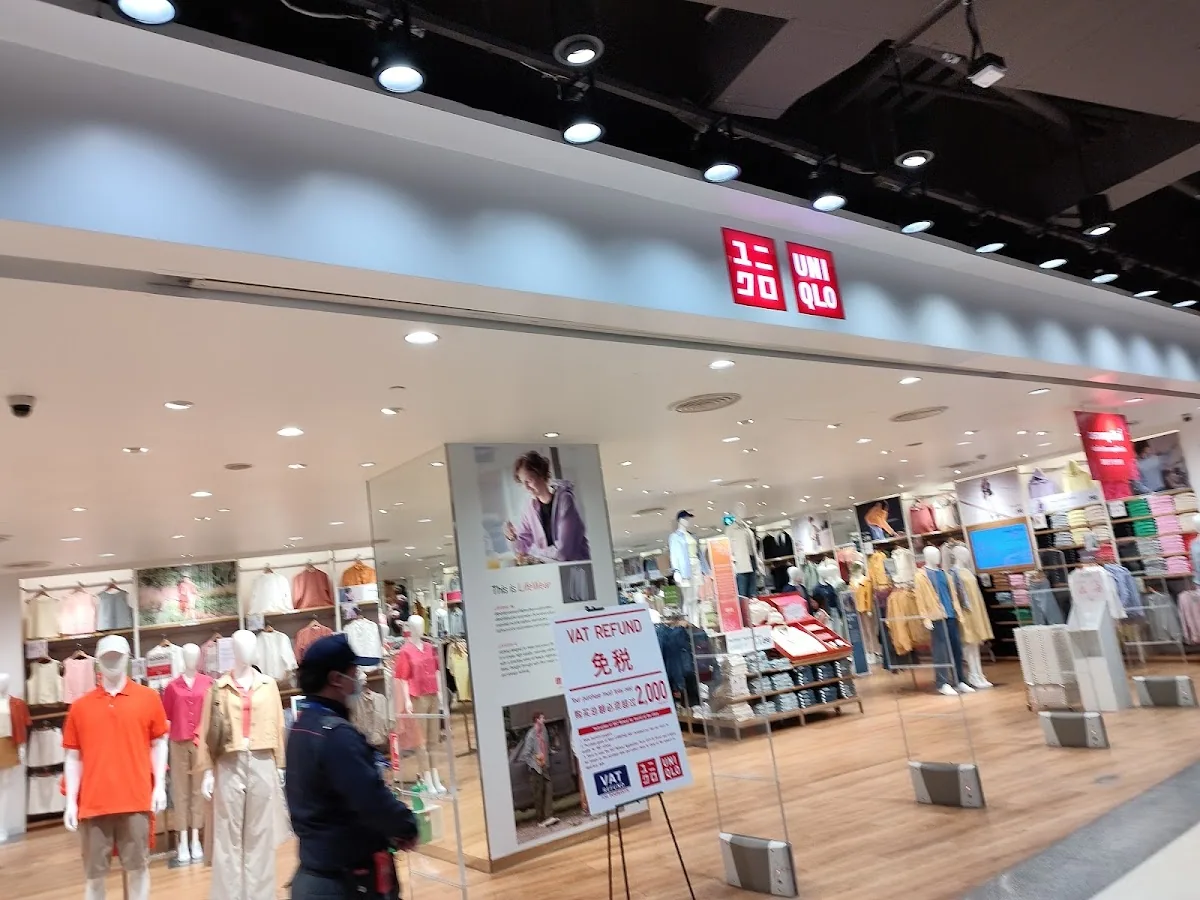
Central Pattaya
The beachfront mall, with the bay on one side and Beach Road on the other.
attractions
Phra Tamnak Viewpoint
The Pattaya City sign, the whole bay, and no entrance fee.
restaurants
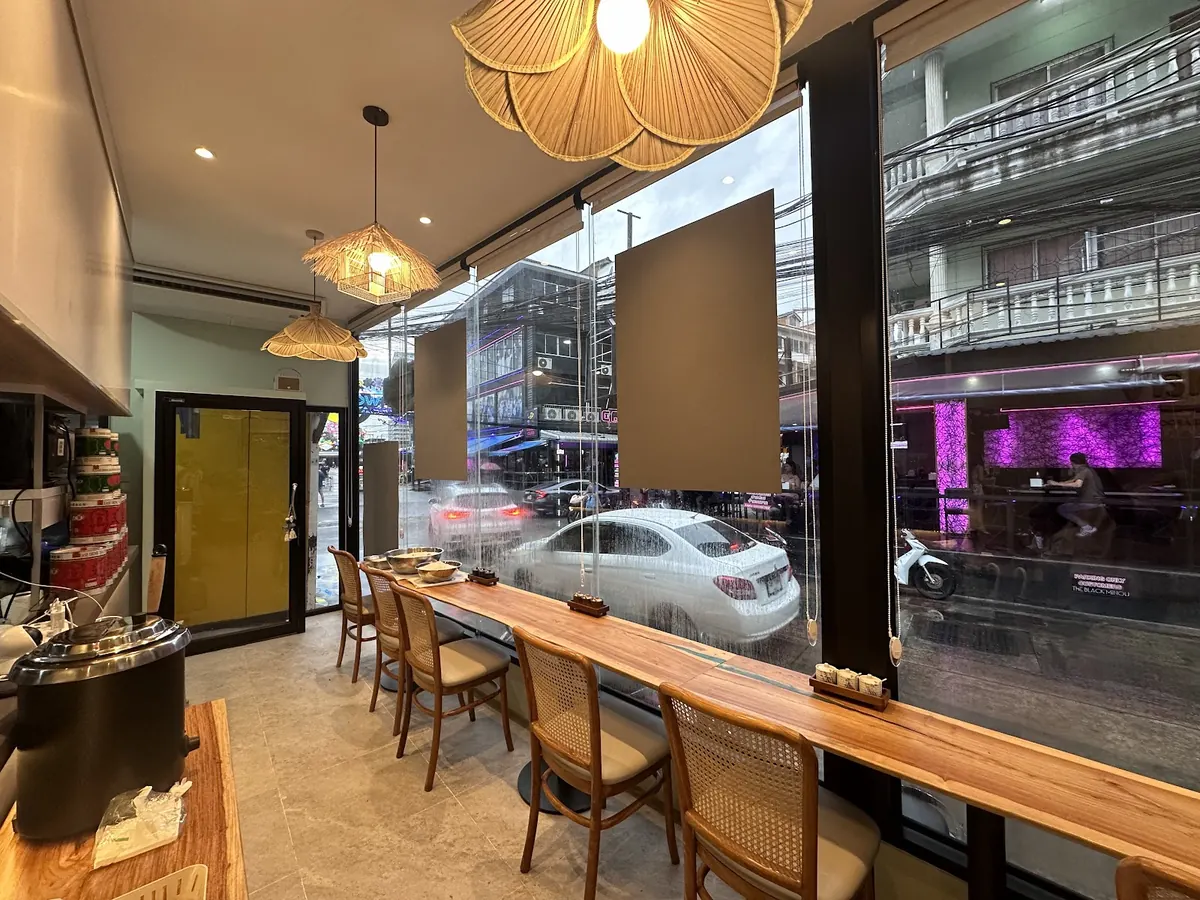
Pad Lay
Ambitious Thai stir-fries in a room with barely any tables.
bars
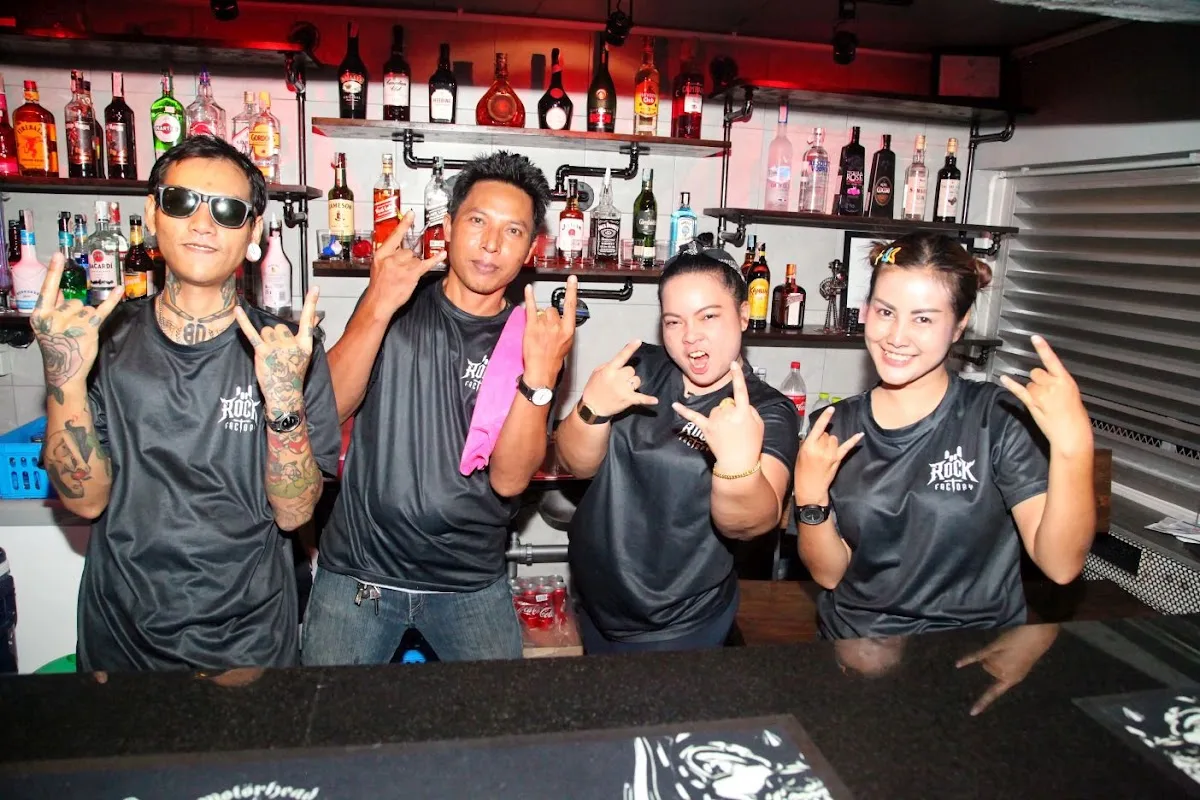
Rock Factory
Live rock every night, a rotating band roster, and a kitchen that holds up.
activities
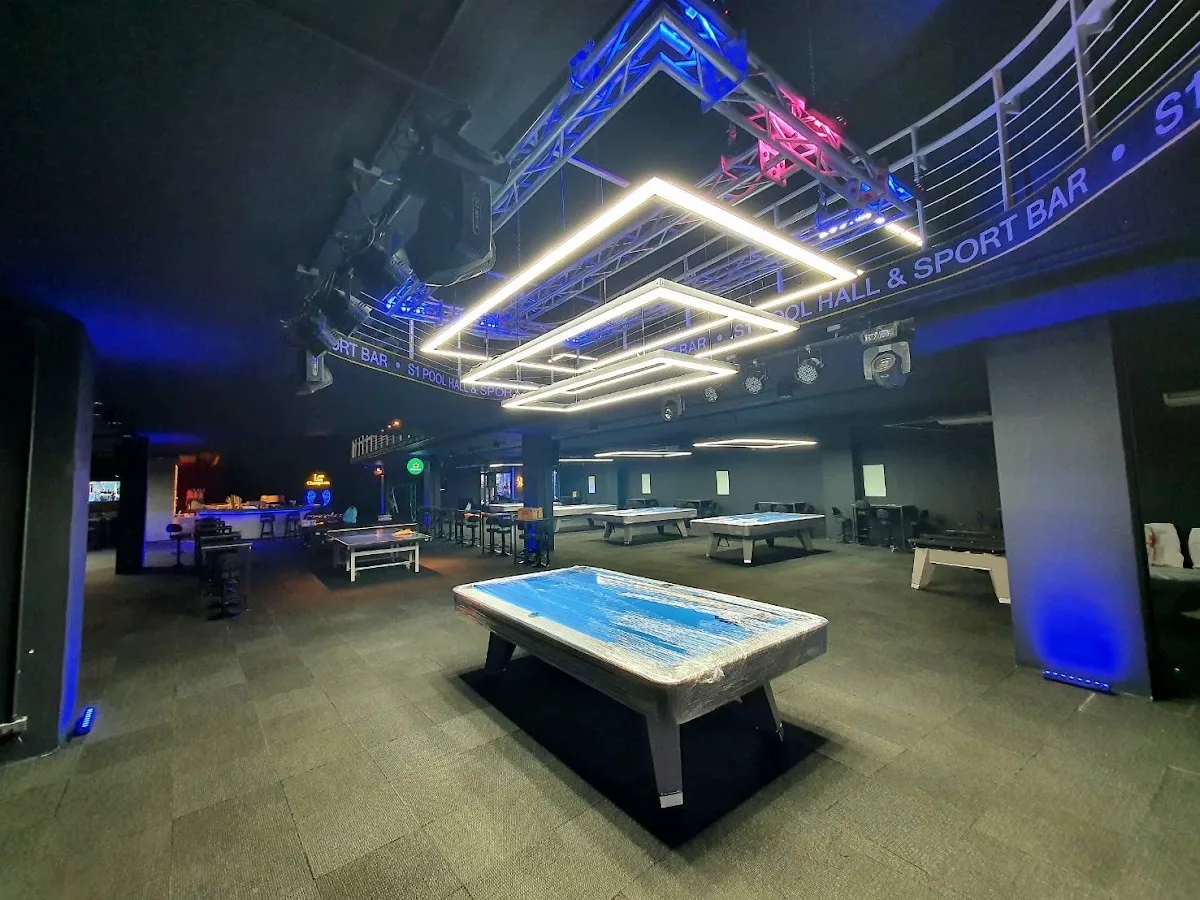
S1 Pool Hall & Sport Bar
Open around the clock, with snooker, darts and table tennis alongside the pool.
Related guides
- Nightlife & MusicLK Metro: the area guideA planned block off Soi Buakhao with more hotels per square metre than anywhere in the city. Who it suits, who it does not, and the one thing to check before booking.
- Trip PlanningPattaya for solo travellersOne of the easiest cities in Asia to arrive in alone. Where to stay, how to meet people without it being a drinking session, and eating alone without ceremony.
- ItinerariesWhat to do in Pattaya when it rainsWet season storms are heavy, short and predictable. Here is how to reorder the day instead of losing it.
Browse every topic in our Pattaya guides, or ask the Pattaya AI Guide about anything in this guide.