

Guide
Diving and water sports in Pattaya
Pattaya is one of the cheapest places in the world to learn to dive, with wrecks, year-round conditions and a genuine caveat about visibility.
8 min readUpdated
Good to know
- Best time
- Cool season, November to February, generally offers the calmest seas and the best visibility. Hot season, March to May, has calm water and warm temperatures.
- Who it suits
- Pattaya is one of the most practical and affordable places in the world to learn to dive. For experienced divers, the wrecks are the draw.
- What to bring
- Bring more sun protection than you think, as a day on a dive boat is a day of full exposure. If you are prone to seasickness, take something before boarding.
- Good to know
- Book diving directly with the centre rather than through a hotel desk or a street agent. Do not fly within the recommended interval after diving.
Pattaya is not Thailand's most beautiful diving. It is, however, one of the most practical and affordable places in the world to learn, and it has something the Andaman side largely lacks: accessible wrecks.
Set your expectations correctly and it is a genuinely good place to get in the water.
The honest caveat first
Visibility here varies considerably. On a good day you get respectable conditions and healthy marine life. On a bad day, particularly after heavy rain or in rough seas, it can drop substantially.
No operator can promise otherwise and the honest ones will not try. If you are booking a single day of diving on a short trip, build in flexibility. If you are here for a week, you will get good days.
What Pattaya does have reliably is warm water year-round, no need for anything more than a thin wetsuit, calm conditions much of the year, and enough dive schools competing that both price and quality are good.
Learning to dive
This is what Pattaya does best, and the reason so many people get certified here.
A try dive, sometimes called a discover scuba experience, is a single supervised dive with an instructor and no certification. It takes half a day and tells you whether you enjoy it before committing.
Open Water certification is the entry-level qualification recognised worldwide, taking three to four days across theory, confined water skills and open water dives. Once you have it, you can dive anywhere.
Advanced Open Water follows, typically two days, and includes deeper dives and specialities. This is the one that opens up the wrecks properly.
Beyond that, the schools here run specialities, rescue courses, and professional-level training. Several are instructor development centres, which means the teaching standards are audited more closely.
The wrecks
The reason experienced divers come back.
There are several wrecks in the waters off Pattaya at varying depths, and they are the most interesting diving in the area by a distance. They hold fish life, they are atmospheric, and they are accessible in a way that wreck diving often is not.
Most require Advanced certification, and some require a wreck speciality. This is not bureaucratic gatekeeping. Depth and overhead environments are where diving stops being forgiving, and the qualification requirements exist for good reason.
If wrecks are what you want, say so when you book and ask which sites the operator runs to and what qualification they need.
The islands
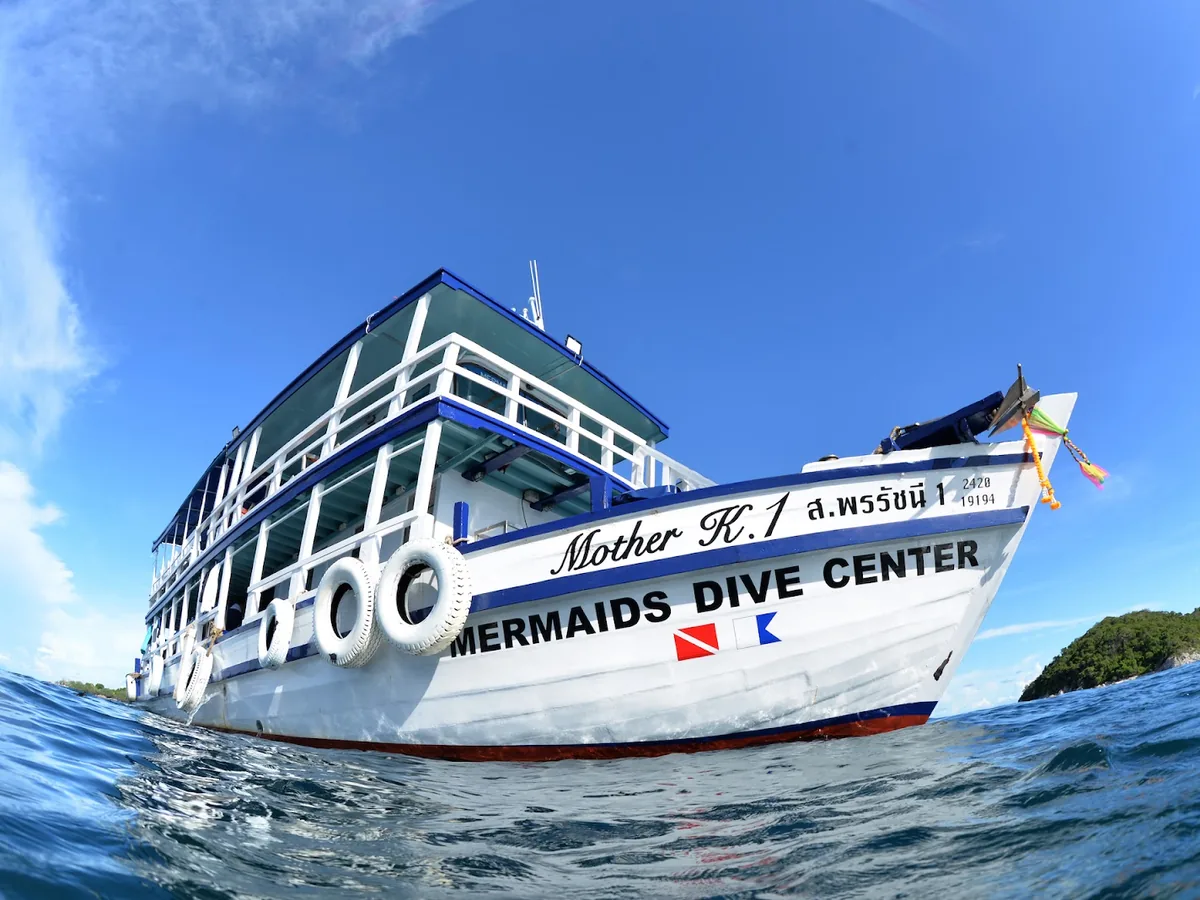
Day boats run out to the near islands, including the waters around Koh Larn and the smaller islands beyond, for reef diving at shallower depths.
This is where the training dives happen and where fun diving for newly certified divers takes place. Coral condition varies, and there are turtles on the local sites often enough that reviews mention them regularly.
Choosing an operator
Three well-regarded centres, all running courses and fun diving.
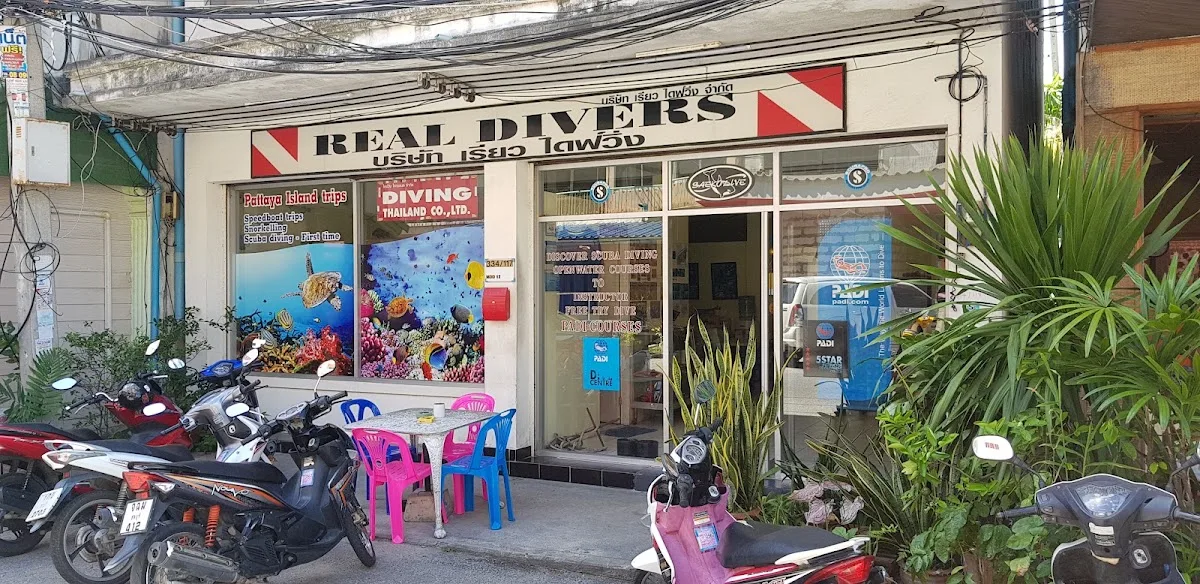
Real Divers Pattaya in Jomtien is a five-star instructor development centre with a consistent reputation for patient teaching, clear briefings and close supervision in the water. The wreck trips are the standout for certified divers, and nitrox is available if ordered ahead.
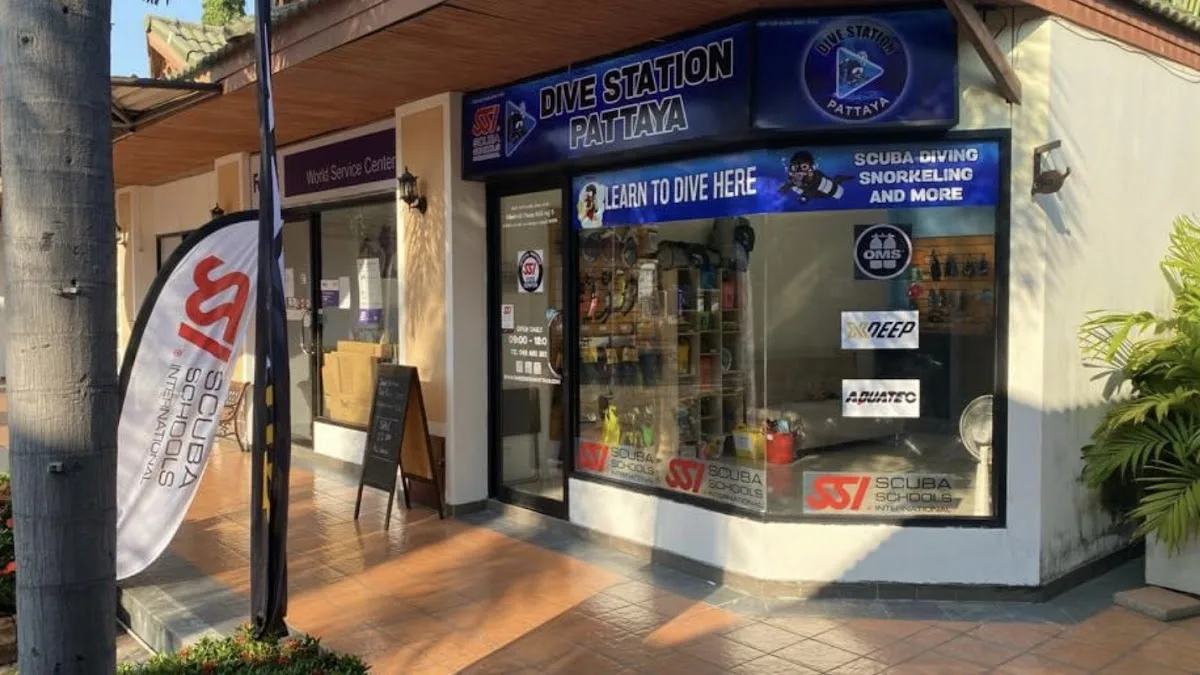
Dive Station Pattaya in Naklua handles the two hardest categories of customer well: nervous first-timers and children. Instruction is available in several languages, and equipment is well maintained.
Pattaya Dive Centre on Beach Road is the most convenient for anyone staying centrally, with a long-established instructor team, several of whom have decades in the water. Boats, transfers and lunch are arranged as part of the trip.
What to ask any operator before booking: group size per instructor, whether equipment is included, whether transfers and lunch are included, what the plan is if conditions are poor, and which certification agency they teach.
Safety, briefly but seriously
Do not fly within the recommended interval after diving. This is the single most common mistake people make on short trips, and it is not negotiable. Plan your last dive well before your flight.
Declare medical conditions honestly on the form. Asthma, heart conditions, ear problems, recent surgery and pregnancy all matter, and the form exists for you rather than for the shop.
Check your travel insurance covers diving, and to what depth. Many policies exclude it entirely or cap it well below what an Advanced course involves.
Do not dive with a hangover or dehydrated. Both increase risk meaningfully.
A reputable operator will refuse to take you out in bad conditions. That is a good sign, not a bad one.
Snorkelling
Far simpler, and genuinely good on the right day.
The clearest water is around Koh Larn rather than the mainland, and Samae Beach is the better of the two main beaches for it. Boat trips run from Tawaen out to snorkelling spots, and gear is available to rent on the beach.
For families and non-divers this is often the better use of a day than a dive trip, and considerably cheaper.
Other water sports
Available everywhere along the main beaches and on Koh Larn.
Jet skis are the most widely offered and carry a well-documented risk of damage disputes. If you rent one, photograph and video the entire machine from every angle before you get on it, slowly, in front of the operator. Anyone reluctant to let you do that is telling you something.
Parasailing operates off the main beaches. Look at the condition of the equipment and the harness before agreeing, and note that safety standards are not uniformly regulated.
Banana boats and inflatables are cheap, fun and mostly low-risk.
Kayaks and paddleboards are available on the quieter beaches and are the best-value water activity on the coast: no operator, no negotiation, no disputes.
Kitesurfing and windsurfing operate seasonally, largely off Jomtien, which gets the better wind.
Practical notes
Book diving directly with the centre rather than through a hotel desk or a street agent, both for price and so you know who you are diving with.
Morning boats get calmer water and better light.
Bring more sun protection than you think. A day on a dive boat is a day of full exposure, and the breeze hides it.
Seasickness. If you are prone, take something before boarding rather than after.
Jomtien is the more convenient base for diving, with several operators and the Jomtien Night Market for the evening after.
Is it worth doing?
For learning, unequivocally. Pattaya is cheap, warm, close to Bangkok, and has enough competing schools that standards are high. Getting certified here and then diving elsewhere in Thailand is a common and sensible plan.
For experienced divers, the wrecks are the draw and the reef diving is a supplement rather than a destination. If you have dived Similan or Sipadan, temper expectations on visibility.
For everyone else, snorkelling off Koh Larn on a clear morning delivers most of the pleasure for a fraction of the cost.
Marine life you can expect
Setting expectations honestly matters here.
The waters off Pattaya support a decent range of reef fish, moray eels, rays, and occasional turtles, which turn up often enough that reviews mention them regularly. The wrecks hold larger schooling fish and are the most productive sites for anything of size.
What you will not find is the density and colour of the Andaman coast or the Similans. Coral condition varies across the sites, with some areas in better shape than others.
For a first diver, none of this matters; the experience of breathing underwater eclipses everything else. For an experienced diver, calibrate accordingly.
Best time of year for diving
Cool season, November to February, generally offers the calmest seas and the best visibility, and is the peak period for the dive schools.
Hot season, March to May, has calm water and warm temperatures, and is perfectly good.
Wet season, June to October, brings rougher conditions and reduced visibility, particularly after heavy rain, and trips are occasionally cancelled. Prices and availability are better.
Water temperature stays comfortable year-round and a thin wetsuit or a rash vest is generally sufficient.
Non-divers on a dive day
Most operators run day boats that will take non-diving companions along, and this works better than people expect.
Snorkellers can get in over the shallower sites while the divers go deeper, and the boat, the lunch and the day out are the same. Ask when booking, because it is usually offered at a reduced rate.
Children and diving
Junior certification programmes exist from a set minimum age, with depth limits and additional supervision requirements, and several centres here run them regularly.
Below that age, bubble-maker style pool experiences are available at some centres and are a good introduction.
Confirm minimum ages directly with the operator, as they vary by programme and agency.
A final word on operator choice
Price differences between dive centres here are modest. Differences in group size, instructor attention and equipment condition are not.
Choose on recent reviews that mention specific instructors by name, ask directly about group sizes, and be suspicious of anyone who is noticeably cheaper than everyone else. Diving is one of the few holiday activities where the cheapest option is a genuinely bad idea.
Common questions
- Is Pattaya a good place to learn diving?
- Pattaya is considered one of the most practical and affordable places in the world to learn diving, due to its warm water year-round, calm conditions for much of the year, and competitive dive schools offering good prices and quality.
- What is the best time of year for diving in Pattaya?
- The cool season, from November to February, generally offers the calmest seas and best visibility, making it the peak period for dive schools. The hot season, March to May, also has calm water and warm temperatures, suitable for diving.
- Are there any specific safety precautions I should take when diving in Pattaya?
- You should not fly within the recommended interval after diving, declare medical conditions honestly, ensure your travel insurance covers diving, and avoid diving with a hangover or when dehydrated. Reputable operators will also refuse to take you out in bad conditions.
Places in this guide
activities
Real Divers Pattaya
PADI five-star centre with small groups and instructors people remember by name.
activities
Dive Station Pattaya
Multilingual instruction and a boat that takes families as seriously as divers.

activities
Pattaya Dive Centre
A long-established centre on Beach Road with very experienced instructors.
beaches
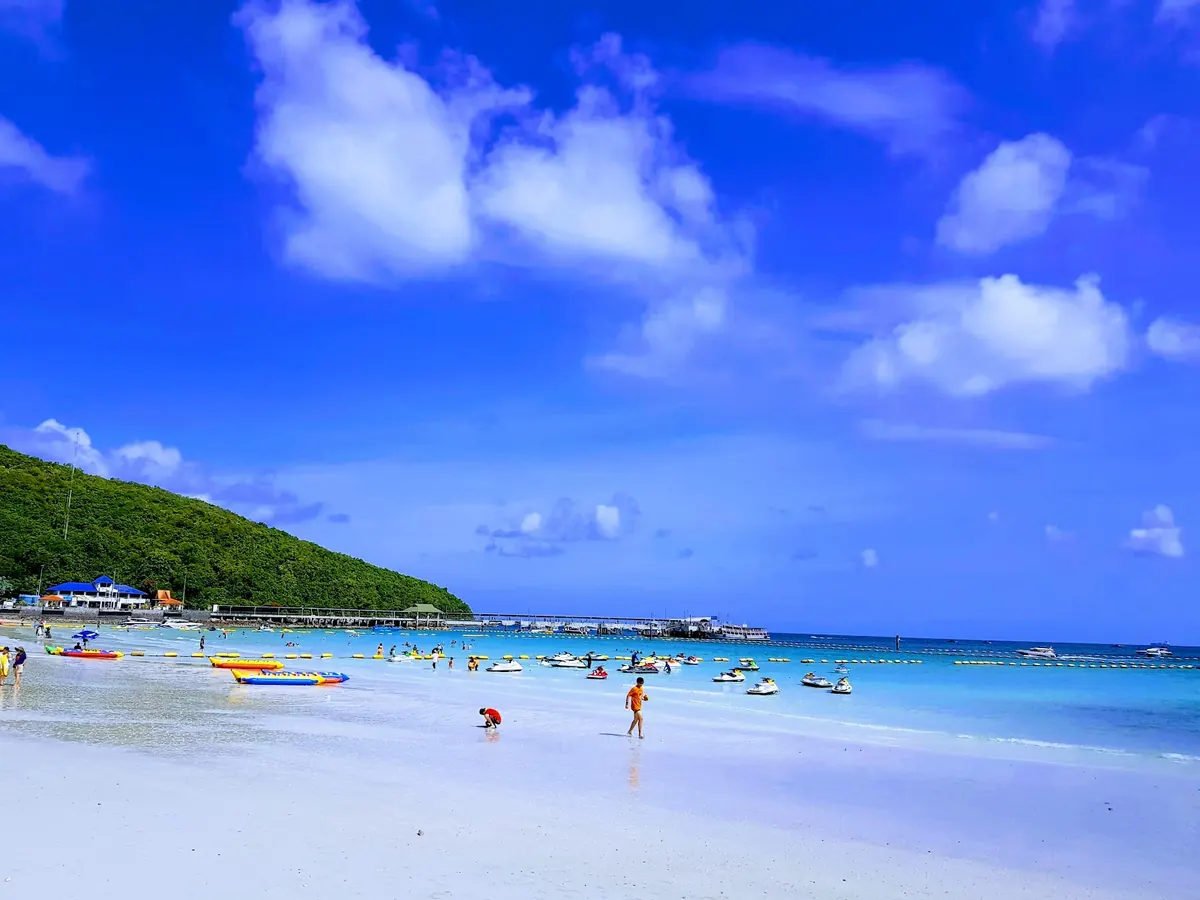
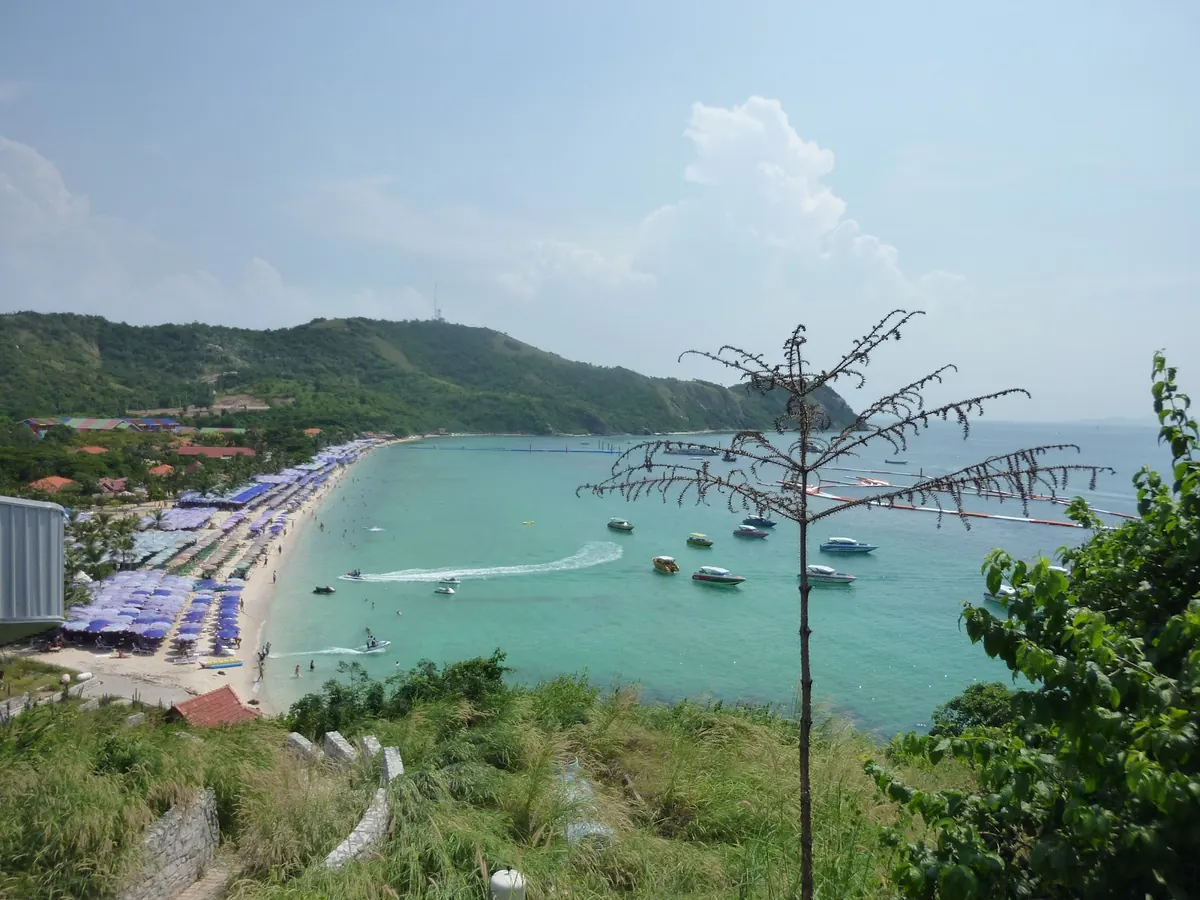
Tawaen Beach, Koh Larn
The turquoise water Pattaya is famous for, 45 minutes offshore.
beaches
Samae Beach, Koh Larn
Clearer water, fewer people, ten minutes over the hill.

attractions
Jomtien Night Market
The night market to take a family to.
Related guides
- Trip PlanningPattaya for solo travellersOne of the easiest cities in Asia to arrive in alone. Where to stay, how to meet people without it being a drinking session, and eating alone without ceremony.
- Trip PlanningPattaya's tourist traps, honestly assessedWhich of the city's famous attractions are worth the money, which are not, and which you should avoid for reasons beyond value.
- Beaches & IslandsThe best beaches near Pattaya, honestly assessedPattaya Beach is not the reason to come. Here is where the water actually turns clear, which beaches reward an early start, and which to skip.
Browse every topic in our Pattaya guides, or ask the Pattaya AI Guide about anything in this guide.