

Sponsored by PattayaStaff.com. Produced with a partner and labelled, as always.
Guide
Who actually works in Pattaya: the region's job market explained
A tourism city attached to one of Southeast Asia's biggest industrial corridors. Hotels, ports, petrochemicals, and the business services that serve both.
9 min readUpdated
Good to know
- Getting around
- Laem Chabang port is twenty to thirty minutes north by road, while the Map Ta Phut industrial estate is about an hour's drive southeast.
- Best time
- The high season for hospitality work runs from November to February, requiring far more staff than the wet months of June to October.
- Good to know
- Foreigners can only work legally with a valid work permit and an appropriate visa; working on a tourist visa or visa exemption is an offence.
- Who it suits
- In industry, Japanese is the most valuable language skill, while in hospitality, English plus another language like Russian, Chinese or Korean is highly sought after.
Pattaya is a tourist city attached to one of the largest industrial regions in Southeast Asia, and most visitors never notice the second half of that sentence.
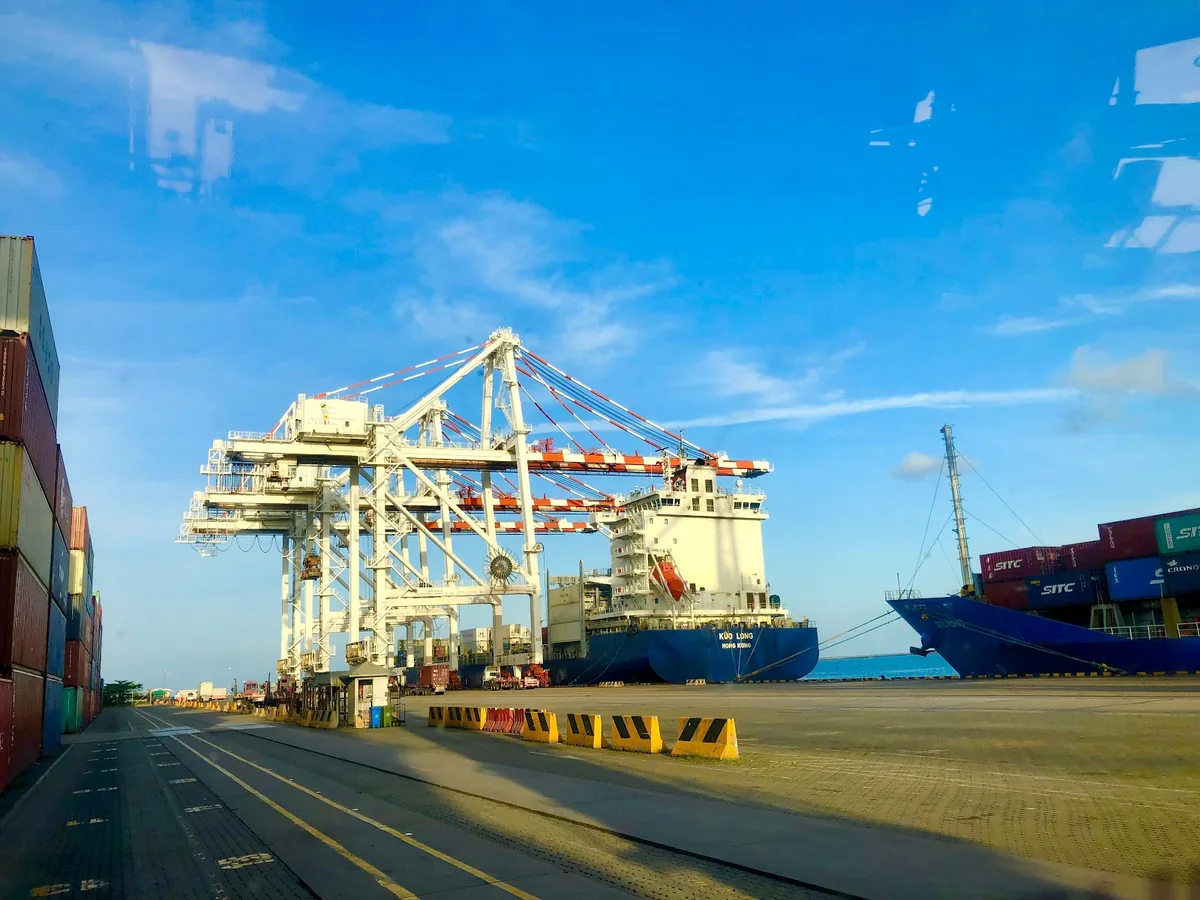
Drive twenty minutes north and you reach Laem Chabang, Thailand's main deep-sea port. Drive an hour southeast and you reach Map Ta Phut, the country's largest industrial estate. In between sit automotive plants, electronics manufacturers, petrochemical complexes, logistics parks and an airport being expanded into a regional hub.
That combination, a service economy of hundreds of thousands of hospitality workers sitting next to a heavy industrial corridor, makes the labour market here genuinely unusual. This is a look at who works in this region and where.
The two economies
Tourism and services
The visible one. Hotels, restaurants, bars, cafés, spas, retail, transport, attractions and everything supporting them.
The scale is easy to underestimate. A single large resort employs several hundred people across housekeeping, food and beverage, front office, maintenance, security, gardening, spa and administration. Multiply that across the number of hotels between Naklua and Sattahip, then add the restaurants, the malls, the markets and the entertainment venues.
Most of that workforce is Thai and a substantial proportion has moved here from elsewhere in the country, particularly Isaan in the northeast. Pattaya has been a destination for internal migration for decades, and remittances sent home from here support a great many households in other provinces.
The work is characterised by shift patterns, seasonality and mobility. High season from November to February needs far more people than the wet months. Staff move between employers frequently, which is why recruitment in this sector is continuous rather than periodic.
Industry and logistics
The one that pays the bills for the wider region.
The Eastern Economic Corridor covers Chonburi, Rayong and Chachoengsao, and Thailand has been developing it as an industrial centre for around three decades, building its largest industrial estate at Map Ta Phut in Rayong and developing Laem Chabang in Chonburi as the main deep-sea port.
Laem Chabang is undergoing a major expansion intended to raise annual capacity from 8 million to 18 million twenty-foot container equivalent units, and automobile export capability from 1 million to 3 million vehicles a year, which would place it among the busiest container ports in the world.
The industrial estates around it are the other half. Amata City Chonburi handles automotive, electronics, consumer goods and export manufacturing; Laem Chabang Industrial Estate covers port-linked manufacturing and logistics; Pinthong supports automotive parts, electronics and machinery; and in Rayong, WHA Eastern Seaboard and Map Ta Phut cover petrochemicals, industrial materials and heavy industry.
The region is Thailand's centre for export-oriented industry, with Japanese-branded automobiles among the major exports.
The jobs this creates run across every level: production operators, machine technicians, quality control, maintenance engineers, warehouse and logistics staff, customs and freight administrators, safety officers, supervisors, plant management, and the specialist engineering roles that heavy industry requires.
Where the two meet
Pattaya sits in the middle, and a lot of people live here and work in the industrial corridor. Sriracha, twenty minutes north, has a large Japanese expatriate community built around the automotive sector, with Japanese schools, supermarkets and restaurants to match.
That produces a third layer of employment that neither tourism nor manufacturing quite captures: the business services supporting both.
Accountancy and bookkeeping. Legal and corporate services. Recruitment and staffing. Translation and interpreting, particularly Japanese, Chinese, Korean and Russian. Logistics brokerage and customs clearance. IT support and software. Marketing, design and web development. International schools. Private healthcare. Property management and real estate.
Pattaya has an unusually developed business services sector for a city of its size, precisely because it serves both a tourism economy and an industrial one.
What is changing
Three things are reshaping the picture.
Infrastructure. A high-speed rail project is intended to link Don Mueang, Suvarnabhumi and U-Tapao airports, with double-track railways connecting Laem Chabang port to Map Ta Phut and Sattahip. U-Tapao is being developed toward a regional aviation hub with an associated airport city. Each of these creates construction employment now and operational employment later.
Target industries. EEC policy prioritises higher-value sectors including biotechnology, robotics, digital platforms and next-generation automotive, with investment incentives attached. The intent is to move the region up the value chain rather than compete purely on manufacturing cost.
Tourism's composition. The visitor mix has shifted repeatedly over the decades, and each shift changes which language skills employers want. Russian, Chinese, Korean, Hindi and Arabic have all become more valuable in hospitality at different points.
Working here as a foreigner: the honest position
This needs stating plainly, because a great deal of casual advice circulating in Pattaya is wrong and the consequences of acting on it are serious.
Employment in Thailand requires a work permit. Working without one is an offence for the employee and for the employer, and enforcement is real. A tourist visa or visa exemption does not permit work of any kind, paid or unpaid.
Certain occupations are reserved for Thai nationals under Thai law. The list is specific, it has been amended over time, and it excludes foreigners from a range of jobs regardless of qualification or willingness.
Remote work for an overseas employer occupies a genuinely contested area, and the position has evolved with the introduction of newer long-stay visa categories aimed at professionals and remote workers. Anyone in this situation should get current advice on their specific circumstances rather than relying on what someone said in a bar.
The rules change. Work permit requirements, visa categories and the reserved occupations list have all been amended in recent years and will be again.
Because of all that, this guide does not tell you how to get a job here, what a permit costs, or which visa you need. Those are questions for a qualified adviser who can look at your situation, and getting them wrong risks a fine, deportation or a re-entry ban rather than a mild inconvenience.
What is fair to say is that the legitimate routes generally involve an employer who sponsors the permit, a role that is not on the reserved list, and paperwork completed before you start rather than after.
What employers here actually look for
Speaking generally, and across both economies.
Language. In hospitality, English plus another language is worth a great deal. In the industrial corridor, Japanese is the single most valuable language skill in the region, followed by Chinese and Korean.
Reliability over credentials in service roles. Turnover is high and employers value people who stay.
Technical certification in industry. Trades qualifications, safety certifications and equipment-specific training carry more weight than general degrees for most operational roles.
Thai language ability for anything involving supervision or coordination, and it is the single biggest differentiator for a foreigner in almost any role here.
For employers: the recruitment problem
The structural challenge in this region is not finding people. It is finding the right people quickly, in a market where a large share of the workforce is mobile and where seasonal demand swings hard.
Hotels staffing up for high season, restaurants replacing turnover, industrial employers filling technical roles, and business services hiring bilingual staff all face different versions of the same problem: the supply exists but it is fragmented, and the cost of a bad hire in a tight season is high.
This is where local staffing knowledge earns its keep, and it is why this guide is produced in partnership with PattayaStaff.com.
Frequently asked questions
What are the main industries in the Pattaya area? Tourism and hospitality dominate the city itself. The surrounding region is one of Thailand's main industrial areas, covering port and logistics operations at Laem Chabang, petrochemicals and heavy industry at Map Ta Phut, and automotive and electronics manufacturing across several large industrial estates in Chonburi and Rayong.
Can a foreigner legally work in Pattaya? Only with a valid work permit and an appropriate visa, arranged through an employer, and only in occupations not reserved for Thai nationals. Working on a tourist visa or visa exemption is an offence. Anyone considering it should take current professional advice.
What is the Eastern Economic Corridor? A government development zone covering Chonburi, Rayong and Chachoengsao provinces, aimed at industrial, logistics and high-technology investment, with major infrastructure projects including port expansion, airport development and rail links.
Is hospitality work seasonal in Pattaya? Substantially. High season runs roughly November to February and requires considerably more staff than the wet months from June to October. Many employers scale headcount across the year, and recruitment in the sector is close to continuous.
Which languages are most useful for work in this region? English is the baseline in tourism. Japanese is the most valuable second language in the industrial corridor, given the size of the Japanese manufacturing presence, followed by Chinese and Korean. Thai language ability is the single biggest advantage for a foreigner in almost any role.
How far is Laem Chabang from Pattaya? Roughly twenty to thirty minutes by road to the north, which is why a significant number of people working in the port and its associated industrial estates live in or around Pattaya and Sriracha.
Are there jobs outside tourism and manufacturing? Yes, and more than people expect. The region supports a substantial business services sector including accountancy, legal and corporate services, logistics brokerage, translation, IT, marketing, international education, private healthcare and property services.
Does this guide help me find a job? No. It describes the labour market rather than offering placement or immigration advice. For recruitment, speak to a staffing agency. For visa and work permit questions, speak to a qualified adviser.
Common questions
- What industries employ people around Pattaya?
- Hospitality, restaurants, retail and transport in the city itself, plus port operations, automotive and electronics manufacturing, petrochemicals and logistics across the Eastern Economic Corridor.
- What is the Eastern Economic Corridor?
- A development zone covering Chonburi, Rayong and Chachoengsao that Thailand has been building as an industrial centre for around three decades, anchored by Map Ta Phut industrial estate and Laem Chabang port.
- How big is Laem Chabang port?
- It is Thailand's main deep-sea port, with an expansion intended to raise capacity from 8 million to 18 million twenty-foot equivalent container units and vehicle export capability from 1 million to 3 million a year.
- Is hospitality work in Pattaya seasonal?
- Yes. High season from November to February needs far more staff than the wet months, so recruitment in the sector is continuous rather than periodic.
Related guides
- Living HereExpat groceries in Pattaya: where to actually shopWhere to actually find the imported cheese, the proper bacon, and the coffee beans you can't get at 7-Eleven. A realistic guide to grocery shopping as a long-term resident.
- Living HereInsurance in Pattaya: what visitors and residents actually needTravel insurance, long-stay health cover, and the visa insurance requirements that catch people out. What actually matters and where to check the current rules.
- Living HereWhere to actually get work done in PattayaFast internet, real power sockets and coffee worth the trip. The rooms that hold up for a full working morning.
Browse every topic in our Pattaya guides, or ask the Pattaya AI Guide about anything in this guide.